Make Your Backyard Fun, Not Buggy
Kid-safe pest control in Orange County is not just about getting rid of bugs; it is about how we do it around children and pets. Backyards and play areas get a lot of action, and kids spend a lot of time low to the ground where pests and products can sit. When we talk about safety, we are thinking about every place little hands touch and every spot bare feet land.
Orange County families love using the yard for dinner outside, homework at the patio table, and weekend playtime. But bites, stings, and harsh sprays can turn that fun into worry pretty fast. Backyards are high-risk zones because kids are always in the grass, dropping toys, digging in the sandbox, and putting fingers in their mouths.
Parents often worry about three big things: what is in sprays and granules, how much kids might touch on toys and surfaces, and what all of that means for long-term health. The good news is that kid-safe pest control in Orange County is completely possible with the right mix of prevention, smarter treatment choices, and thoughtful timing. We will walk through how to think about pests in play areas, simple safety checks, and when it makes sense to bring in a licensed local professional to help keep your space comfortable and safe.
The Biggest Backyard Pest Risks for OC Kids
Backyards in Orange County stay active most of the year, and so do the pests. Some are mostly annoying, and some can be more serious for children.
Common troublemakers around play areas include:
- Ants around patios, lawns, and playsets
- Mosquitoes in shaded, damp spots and standing water
- Wasps and bees near eaves, play structures, and shrubs
- Spiders in toys, sheds, corners, and sandbox edges
- Fleas and ticks from pets, wildlife, and ground cover
Ants can bite or sting, especially if kids step on a mound or snack outside. Mosquitoes are a concern because of itchy bites and disease risk, like West Nile virus. Wasps and bees can sting when nests are disturbed near swings, slides, or under benches. Spiders like quiet corners, such as under trampolines, playhouse cracks, and stacked outdoor cushions. Fleas and ticks can ride in on pets, then end up in lawns, dog beds, or soft ground cover where kids sit and crawl.
These pests often hide:
- Under swings and slides
- In cracks of playhouses and sheds
- Under trampolines and outdoor furniture
- Along lawn edges and fence lines
- Around pet beds, feeding spots, and dog runs
If we know which pests we are dealing with and where they are hiding, we can focus treatments more carefully. This helps avoid heavy, broad treatments across the entire yard and keeps kid areas safer while still bringing pest problems under control.
Build a Kid-Safe Backyard Pest Prevention Routine
Smart prevention sets the stage for kid-safe pest control in Orange County. When we cut down on the things that attract pests, we can often use fewer and more targeted products.
Helpful yard maintenance habits include:
- Keep grass trimmed so pests have fewer hiding spots
- Clear yard clutter like unused pots, boards, and piles of toys
- Pick up fallen fruit that attracts ants and stinging insects
- Trim shrubs away from playsets and fences
- Rake up leaf piles where spiders, ants, and other insects shelter
Water is a big factor too. Many pests love damp spots and standing water. Even a small amount can matter. Try to:
- Empty kiddie pools, buckets, and water-filled toys after use
- Check for toys and containers that collect water after sprinklers run
- Fix leaky spigots and hoses that keep soil soggy
- Adjust sprinklers so you are not constantly soaking the same spots
Playsets and toys need attention as well. Wash outdoor toys often, since dirt and crumbs attract ants and other insects. Check for spider webs or wasp-nest beginnings around slides, under steps, and high corners. If you have a sandbox, keep a tight cover on it at night to help keep out animals and pests.
Fall in Orange County is a good time to:
- Do a pre-rainy-season cleanup of leaves and yard waste
- Edge grass away from concrete and fence lines
- Check drainage so water does not sit near play areas
- Inspect fences and walls where pests may move as conditions change
All of this regular care helps reduce pest pressure. When fewer pests are present, we can often rely on lighter touch treatments, which is a big win for kid-safe backyards.
Choosing Truly Kid-Safe Products and Methods
"Kid-safe" should not be just a label on a bottle. It should mean choosing products carefully and using them in a way that limits contact with kids and pets.
When reading labels, it helps to:
- Look for products that are registered with the proper agencies
- Follow directions exactly, including how and where to apply
- Check the signal word on the label (Caution, Warning, Danger) and lean toward the least-toxic option that still fits your pest problem
- Avoid spraying entire lawns or play zones when a smaller, targeted treatment is enough
Parent-friendly treatment strategies often include:
- Baits for ants and some crawling insects placed in tamper-resistant stations away from kids and pets
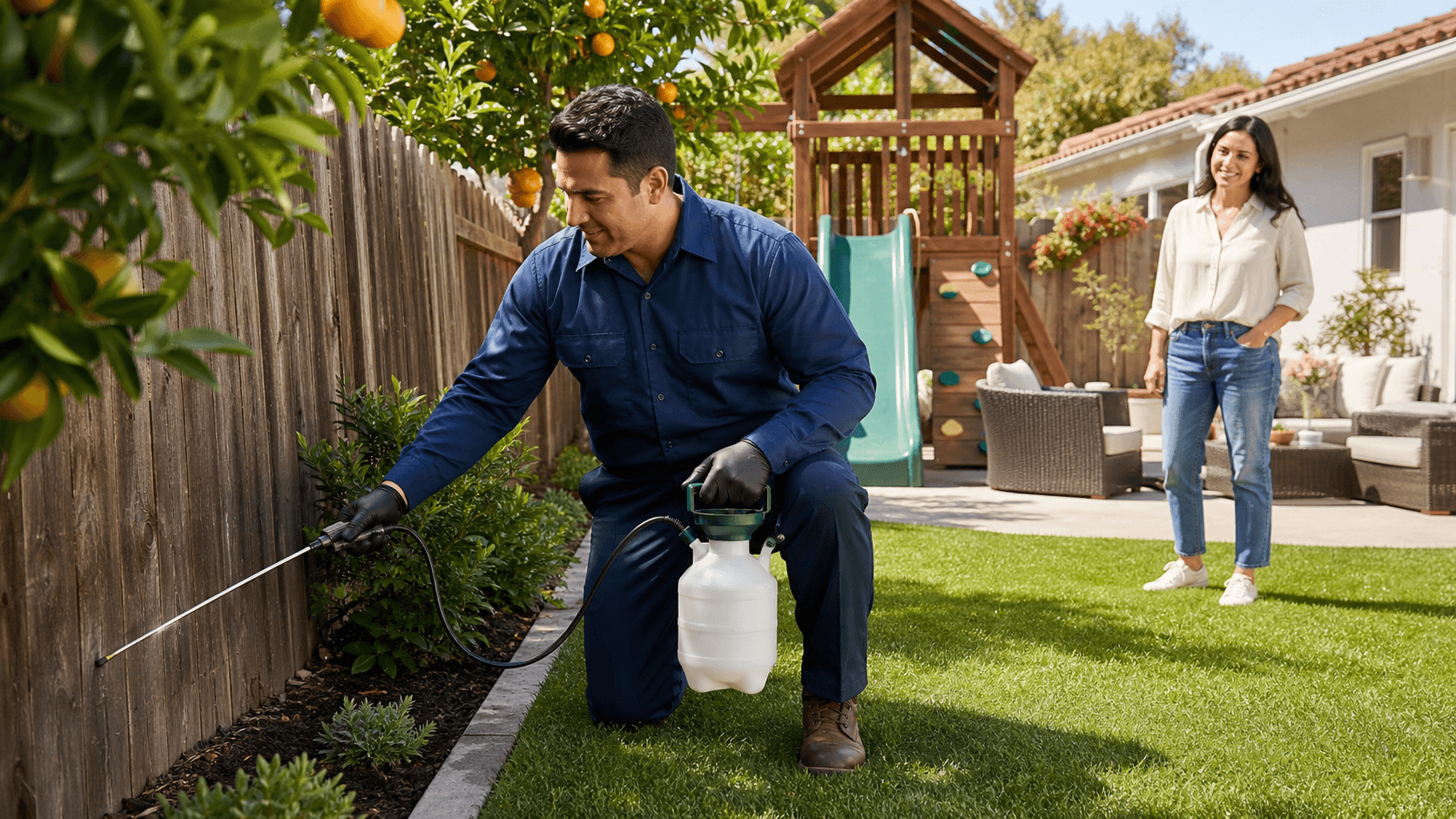
- Carefully applied perimeter treatments along building foundations and fence lines, not on swing seats or sandbox edges
- Physical barriers like caulk, weatherstripping, door sweeps, and screens to keep pests out without adding more product where kids touch
- Non-chemical traps outside play zones when appropriate
Some clear "do not" rules help keep everyone safe:
- Do not treat inside sandboxes
- Do not spray directly on swings, slides, or toy surfaces
- Do not coat picnic tables or kid seating areas
- Do not mix your own chemical blends or go over the label rate or frequency
Using products the right way is as important as which product you choose. When in doubt, this is a good time to get advice from a licensed professional who works with kid and pet safety in mind.
Creating a Safer Play Zone Layout for Kids and Pets
Backyard layout matters more than many people think. Small design choices can lower pest activity and keep any needed treatments away from kids.
Helpful layout ideas include:
- Place playsets and trampolines away from dense shrubs, ivy, and woodpiles that shelter spiders and rodents
- Use rock or mulch borders between lawn and play zones as a visual "no-spray" buffer
- Keep pet runs and feeding spots away from swing sets and sandboxes to reduce flea, tick, and ant activity near children
- Store firewood and yard tools away from play areas
For sandbox and playhouse safety, try to:
- Elevate sandboxes and keep snug covers on them
- Use a solid base or weed barrier under play structures to reduce hiding spots for ants and spiders
- Move smaller plastic toys and play items around often so pests cannot settle in
You can also add small comfort touches that help with pests in gentle ways. Fans on patios can make it harder for mosquitoes to fly near seating areas. Yellow "bug" bulbs in outdoor fixtures can reduce some flying insect activity around doors and gathering spots. Some plants support helpful insects that eat pests, but it is better to treat those as a bonus, not your only plan for control.
When the yard layout supports good airflow, less clutter, and clear kid zones, it works hand in hand with your other prevention steps.
When DIY Is Not Enough in Orange County Backyards
Sometimes, even with good habits, pests keep coming back. That is a sign it may be time to bring in professional, kid-focused support.
Common signs include:
- Recurring ant trails on patios, around toys, or inside shortly after cleaning
- Aggressive wasp activity near playsets, eaves, or fence lines
- Mosquito problems that stick around even after you remove standing water
- Spiders constantly showing up in and around kids' toys and playhouses despite regular cleaning
A licensed, insured local pest control company that focuses on kid and pet safety can inspect the yard, play areas, and home exterior in detail. Parents should expect clear explanations in simple language, not confusing jargon. A good service will customize a plan that leans on low-impact methods first, uses targeted treatments instead of yard-wide sprays, and times service so kids and pets can be inside until products are dry. Regular visits matched to local pest seasons, especially around the fall rains, help keep things from flaring up again so your backyard can stay a fun, comfortable, and safe place for your family.
Protect Your Kids And Home With Safe, Effective Pest Control
If you are ready for a safer way to keep pests away from your family, we are here to help with proven methods that prioritize your kids and pets. Learn how our approach to kid-safe pest control in Orange County can give you peace of mind all year long. Reach out today to discuss your home, ask questions, or schedule a visit using our contact page, and the Recon Pest Control - SEO team will take care of the rest.