Protect Your Home After Rats Are Gone
Rat removal in the attic is a big win, but it is not the finish line. After the last rat is trapped or excluded, their mess is still sitting above your head. Droppings, urine, nesting material, and damaged insulation can stay in place for a long time if no one cleans them out. That leftover mess can still affect your air, your comfort, and your home.
Rodent waste can carry allergens, bacteria, and parasites. Chewed wires can create a fire risk. Stained drywall and ruined insulation can hurt your home's value. Old insulation that has been tunneled and flattened will not do its job, and odors can drift down into bedrooms and living areas.
In Orange County, attic restoration has extra benefits. A clean, sealed, well-insulated attic can help with energy use on hot days, reduce the way smoke and outdoor dust move through the house, and handle coastal humidity better. Post-removal work usually includes insulation removal and replacement, odor and decontamination treatments, damage repair, and careful checks to confirm the infestation is fully resolved.
How to Know Your Rat Infestation Is Truly Gone
After rat removal in the attic, it is smart to make sure nothing is still moving around up there. Rats leave clear signs when they are still active. Fresh droppings, new gnaw marks, and new greasy smudges along beams or pipes all point to ongoing traffic. Many people also notice scratching or scurrying sounds at night and a strong ammonia-like odor that does not fade.
A simple way to double-check is to use a 7 to 10-day monitoring window after the main trapping and exclusion work is done. During that time, a pro will often:
- Seal known entry points before monitoring
- Place non-toxic monitoring stations or traps in key paths
- Use tracking powder or a light layer of flour to spot fresh footprints
- Look for new droppings, new rub marks, or new damage
Professionals spend extra time on rooflines, vents, and areas where pipes and wires enter the house. They may test one-way doors to confirm nothing is still slipping back inside and use cameras or repeat attic inspections at different times of day.
In the fall, rats start looking for steady shelter and a quiet place to nest. If they find even a small gap into your attic, they will use it. That is why it is so important to confirm the infestation is truly gone before you invest in repairs and new insulation.
Safely Removing Contaminated Attic Insulation
Once rats have lived in insulation, it often cannot be saved. Urine can soak deep into the material. Droppings and bits of food get stuck in the fibers. Rats like to burrow and tunnel, so insulation gets pushed down and no longer gives the right R-value. On top of that, the smell can linger and spread through the house every time the attic heats up.
Some small, very light contamination might look like a simple DIY project, but most attics with clear rodent activity need professional help. When contamination has spread, when there are heavy droppings, or when the problem has gone on for a while, the risk of breathing in harmful dust is higher. If there are any signs of mold or wet materials, that is another reason to step back and let trained technicians handle it.
For anyone who must be near a contaminated area, safety tools are key:
- NIOSH-rated respirator for fine particles
- Gloves, eye protection, and disposable coveralls
- Careful bagging of waste without shaking or dumping
- No regular household vacuum cleaners, which can blow contaminated dust
- Good ventilation and solid footing when moving around the attic
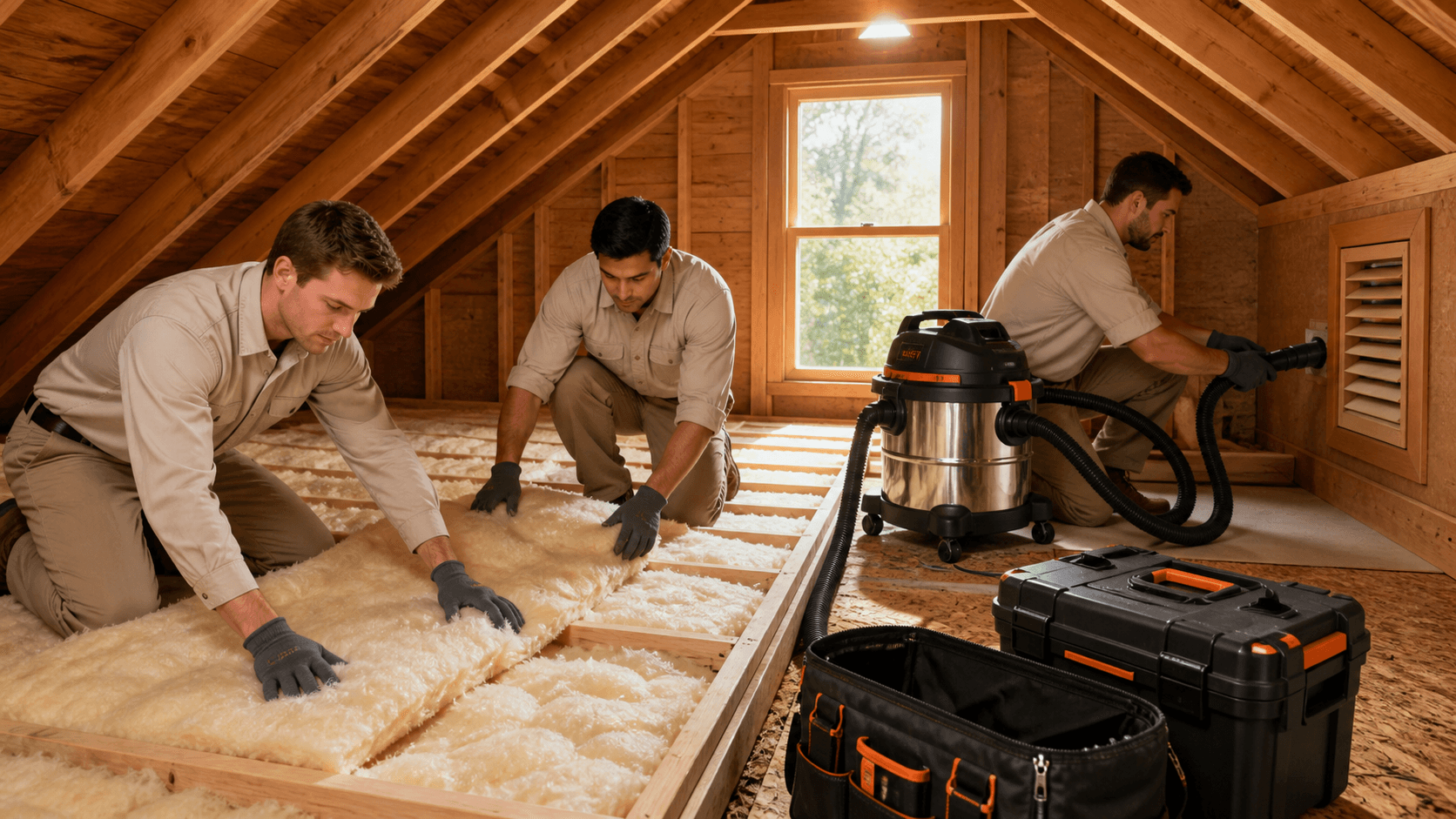
Professional crews in Orange County attics typically use commercial HEPA vacuums made for insulation removal. They set up containment barriers to keep dust out of living spaces, then remove, bag, and dispose of the material correctly. Detailed notes and photos can also help if homeowners speak with insurance about damage.
Deep Odor Removal and Attic Decontamination
Getting rid of smell is not as simple as spraying a pleasant scent and walking away. True odor control starts with taking out the waste that is causing the smell. Once droppings, nests, and ruined insulation are gone, surfaces can be treated with EPA-registered products that target bacteria, viruses, and the compounds that create that strong rodent odor.
A thorough decontamination plan often includes:
- HEPA vacuuming of loose droppings, nesting material, and debris
- Wiping or treating wood and drywall, then sealing with odor-blocking primer when needed
- Targeted enzyme or antimicrobial treatments on rafters, joists, and around ducts
- Focused cleaning near any openings into the living space
Homeowners can help in light cases by airing out the attic when it is safe to open access and when there is good airflow. Small, easily reached surfaces can sometimes be cleaned with the right disinfectant and proper protection, but many methods are not safe to try alone. Bleach sprayed in a tight space without gear can be hard on lungs, and DIY fogging products can push contaminated dust deeper into cracks if used the wrong way.
In many Orange County homes, the attic sits above bedrooms or ties right into the HVAC system. That means fine dust from a rat infestation can get close to ducts and vents. After treatment, some people choose to have an air quality check or a professional inspection to be sure that cleaning and sealing work did its job.
Repairing Damage and Upgrading Your Attic
Rats are small, but the damage they cause in an attic can be big. Common problems include:
- Chewed electrical wires and damaged junction boxes
- Gnawed plumbing or HVAC lines and insulation
- Torn or shredded duct insulation and loose connections
- Broken or blocked ventilation baffles
- Stained drywall and ceiling materials from urine or leaks
Electrical and structural concerns should always be at the top of the list. A licensed electrician can check exposed wiring for chew marks and fix any fire risks. The roof deck, framing, and access points should also be checked to make sure nothing is weakened, cracked, or holding moisture.
Once the space is clean and repairs are made, new insulation can go in. For Orange County homes, that usually means picking the right R-value for comfort on hot days and cooler nights. Some owners choose blown-in cellulose, others prefer fiberglass, and some use a mix to reach corners and tight gaps. Good installation covers key areas like:
- Around recessed lights that are rated for contact with insulation
- Along attic hatches and access doors
- At the eaves, with baffles that keep airflow open while blocking pests
A cleaner, better insulated attic helps lower energy use, keeps rooms closer to the same temperature, and cuts down on drafts and hot spots. It also helps seal small gaps and paths, which makes future rat removal in the attic less likely.
Preventing Future Rats and Keeping Your Attic Protected
Once your attic is restored, the goal is to keep it that way. Long-term protection focuses on exclusion, or blocking the ways rats get in. That can include sealing roof gaps, fixing chewed or loose vents, screening attic openings, and closing gaps around pipes, wiring, and AC lines that run into the attic.
Outside habits matter too. Simple routines help reduce the chances of new activity:
- Trim tree branches so they do not touch or hang low over the roof
- Keep trash lids closed and avoid leaving food waste outside overnight
- Store pet food and birdseed in sealed containers
- Reduce clutter in garages, sheds, and yards that could become nesting spots
Many homeowners like to follow a simple seasonal checklist, especially before and after the cooler months and busy holiday times. That might include checking the roof, gutters, and vents for gaps, looking in the attic for fresh droppings or gnaw marks, and making sure insulation still looks even and undisturbed. A professional service can also provide regular checkups to refresh sealing work and spot early signs of new rodent activity before another full attic restoration is needed.
Protect Your Home With Fast, Effective Rodent Solutions
If you are hearing scratching or finding droppings overhead, our team at Recon Pest Control - SEO is ready to help with safe, thorough rat removal in the attic. We quickly identify how rodents are getting in, remove them, and seal entry points to keep them from coming back. Reach out today to schedule a visit or ask questions about your specific situation, or simply contact us to get started.