Protect Your Home Purchase From Hidden Termite Damage
Buying a home means looking past curb appeal, square footage, and the asking price. A beautiful San Clemente property can still have termite activity or old wood damage tucked behind walls, under flooring, or high in attic framing. Those hidden areas can create unwelcome repair work after you move in.
That is why we recommend arranging a termite inspection in San Clemente before you remove important contingencies or sign closing documents. Visible clues can be helpful, but they rarely tell the whole story. A professional inspection can reveal active termites, past damage, and moisture conditions that may invite future problems. Below, we will cover what inspectors look for, what you may notice during a showing, and how to use the report before buying.
Why a Termite Inspection in San Clemente Matters Before Closing
San Clemente's mild coastal conditions can create steady termite pressure throughout the year. Older homes, exposed wood features, coastal moisture, and water intrusion around roofs, windows, decks, and crawl spaces can all create conditions termites may favor.
A general home inspection and a wood-destroying pest inspection serve different purposes. During a general inspection, an inspector may point out visible concerns around the home. When we inspect for termites, our attention is on signs of termite activity, accessible wood damage, and conditions that may support an infestation.
California real estate transactions do not always require a termite inspection. Still, we strongly encourage buyers to consider one before taking ownership. It gives you a clearer view of the property and helps prevent surprises after the keys are in your hand.
A termite report may help identify:
- Active termite evidence in accessible areas
- Signs of past infestations or previous treatment
- Wood damage that needs further evaluation
- Moisture concerns that could support future activity
What Inspectors Check Beyond Visible Wood Damage
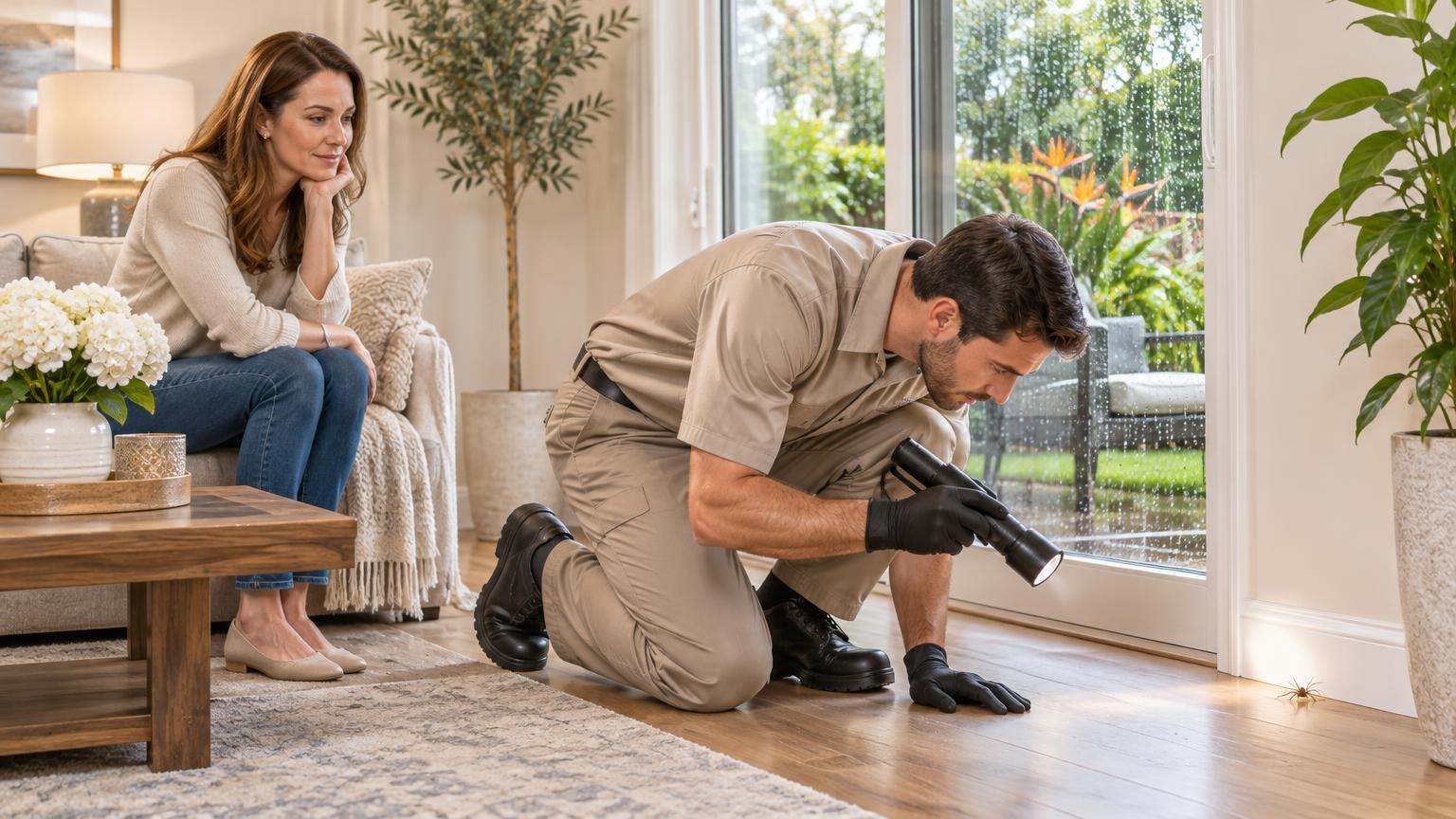
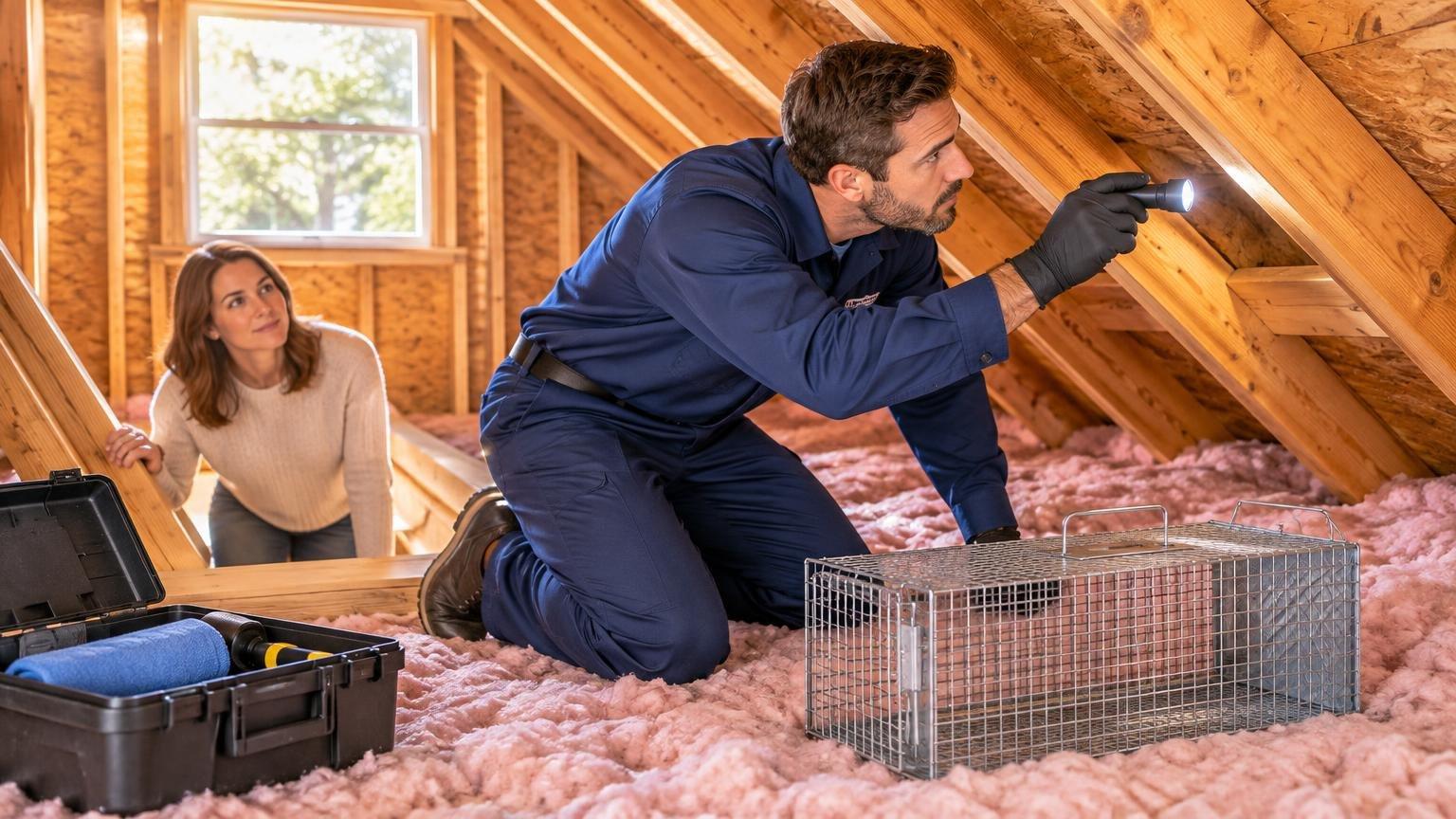
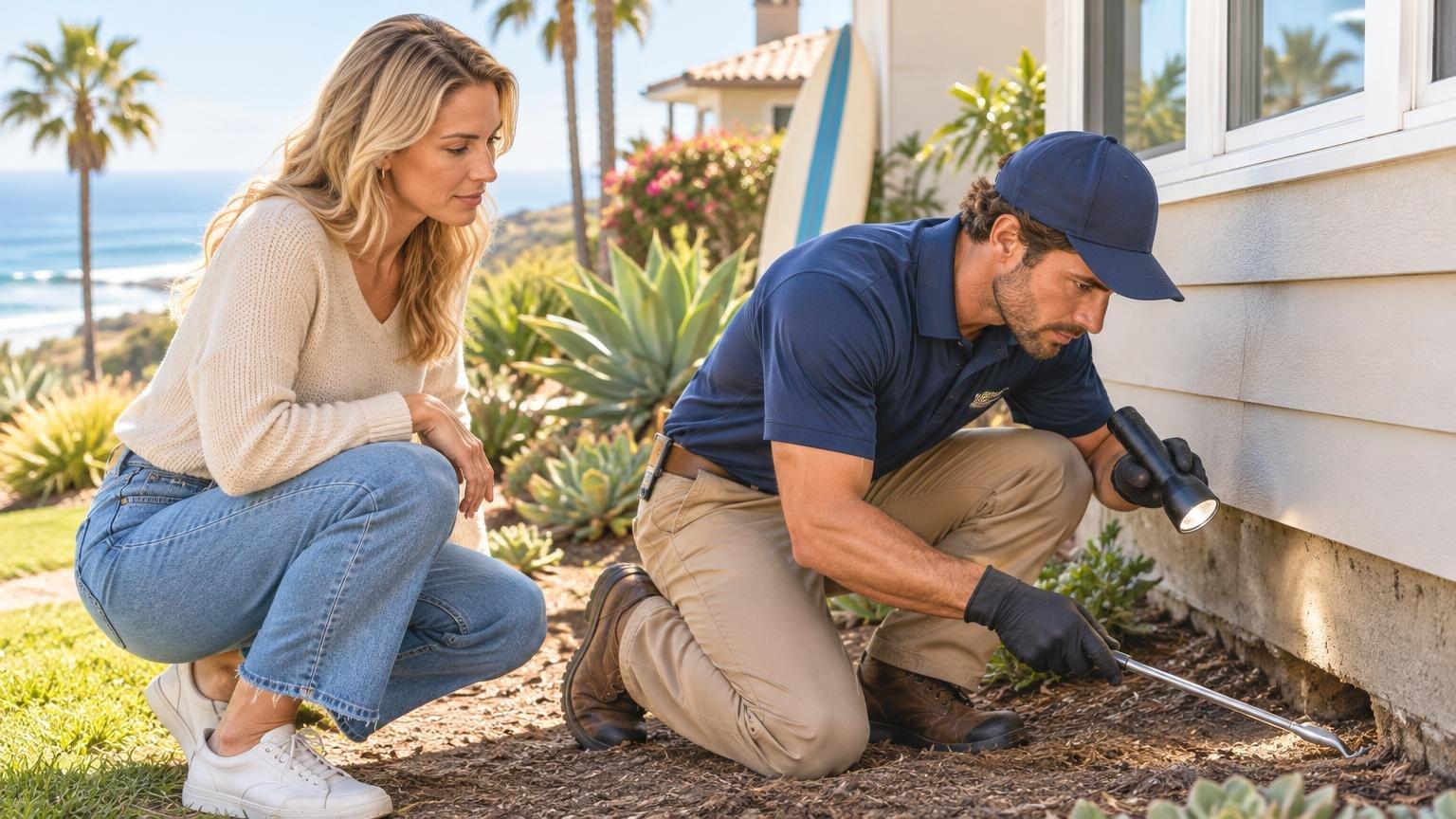
Termites do not always leave obvious damage in plain sight. During an inspection, we evaluate accessible areas where wood, soil, moisture, and building materials meet. This can include siding, eaves, fascia boards, garages, attics, crawl spaces, subfloors, porches, decks, fences, and wood near soil contact.
Subterranean termites often travel through protected mud tubes. These pencil-sized tunnels may appear on foundations, garage walls, crawl space supports, or other surfaces leading toward wood. Other warning signs can include soft wood, hollow-sounding boards, blistered paint, damaged baseboards, or exterior wood that touches soil.
Drywood termites can leave different clues. They may live inside dry wood and remain hard to spot without a close inspection. We look for signs such as:
- Small piles of pellet-like droppings beneath wood features
- Tiny holes in trim, framing, or other wood surfaces
- Damaged window trim, door frames, or fascia boards
- Discarded wings near windowsills, doors, or light sources
Not every damaged board means termites are active, and not every active colony leaves easy-to-see evidence. That is why we recommend professional evaluation instead of relying only on what you can see during a walkthrough.
Coastal Moisture and Fall Rains Can Raise Termite Risk
November can be a useful time to look closely at moisture around a property. Fall and winter rains may reveal drainage concerns, roof leaks, plumbing leaks, or damp wood that was not obvious during a dry stretch. Moisture does not automatically mean termites are present, but it can create favorable conditions around a home.
During a showing, you can make note of visible concerns and share them with your real estate agent and pest professional. Pay attention to places where water seems to collect or where wood may stay damp.
A few items worth documenting include:
- Standing water or damp soil near the foundation
- Clogged gutters or downspouts that drain too close to the home
- Leaking hose bibs, plumbing fixtures, or outdoor connections
- Damaged roof edges, stained eaves, or soft-looking fascia
- Dense plants or tree branches touching siding and trim
Poorly ventilated crawl spaces can also hold moisture close to wood materials. Rather than making assumptions from a quick look, we suggest requesting further inspection when you notice water, wood damage, or signs of poor drainage.
How Inspection Findings Affect Repairs and Negotiations
A termite inspection report can give you useful details for the next stage of a purchase. Evidence of a past infestation is different from active termite activity. Likewise, existing termite-related damage is different from conditions that could lead to activity later. Each finding may call for a different conversation before closing.
For example, a report may show old damage with no visible active termites in accessible areas. Another property may show active evidence that needs treatment, along with damaged wood that should be reviewed by a qualified contractor. Moisture conditions may also need attention to help reduce the chance of future termite issues.
After reviewing the report, buyers may choose to:
- Request treatment before closing
- Ask the seller to address identified damage
- Negotiate a credit or purchase-price adjustment
- Request further evaluation when structural repairs may be needed
- Clarify whether follow-up service or monitoring is recommended
We encourage you to read the report carefully with your agent and pest professional. Ask what areas were accessible, what evidence was found, what treatment is recommended, and whether any wood damage needs a separate repair evaluation. Clear answers help you make decisions with fewer unknowns.
Make an Informed Decision Before You Commit
A termite inspection in San Clemente can help you better understand the condition of a home before you finalize a major purchase. We recommend arranging one as soon as you are seriously considering a property, especially when you see older wood features, moisture concerns, prior termite disclosures, or visible damage.
Before moving forward, keep the inspection report with your other property records and make sure you understand every noted condition. Knowing what is active, what is old, and what may need attention later can help you approach closing with a clearer plan and greater peace of mind.
Get Clear Answers Before You Buy
If you want an independent look at the property's wood-destroying pest conditions, our team can provide a detailed termite inspection in San Clemente. Recon Pest Control helps buyers understand visible evidence, accessible areas, and the findings that may warrant further evaluation. We can explain the report clearly so you can make informed decisions before closing. Contact us to arrange an inspection.