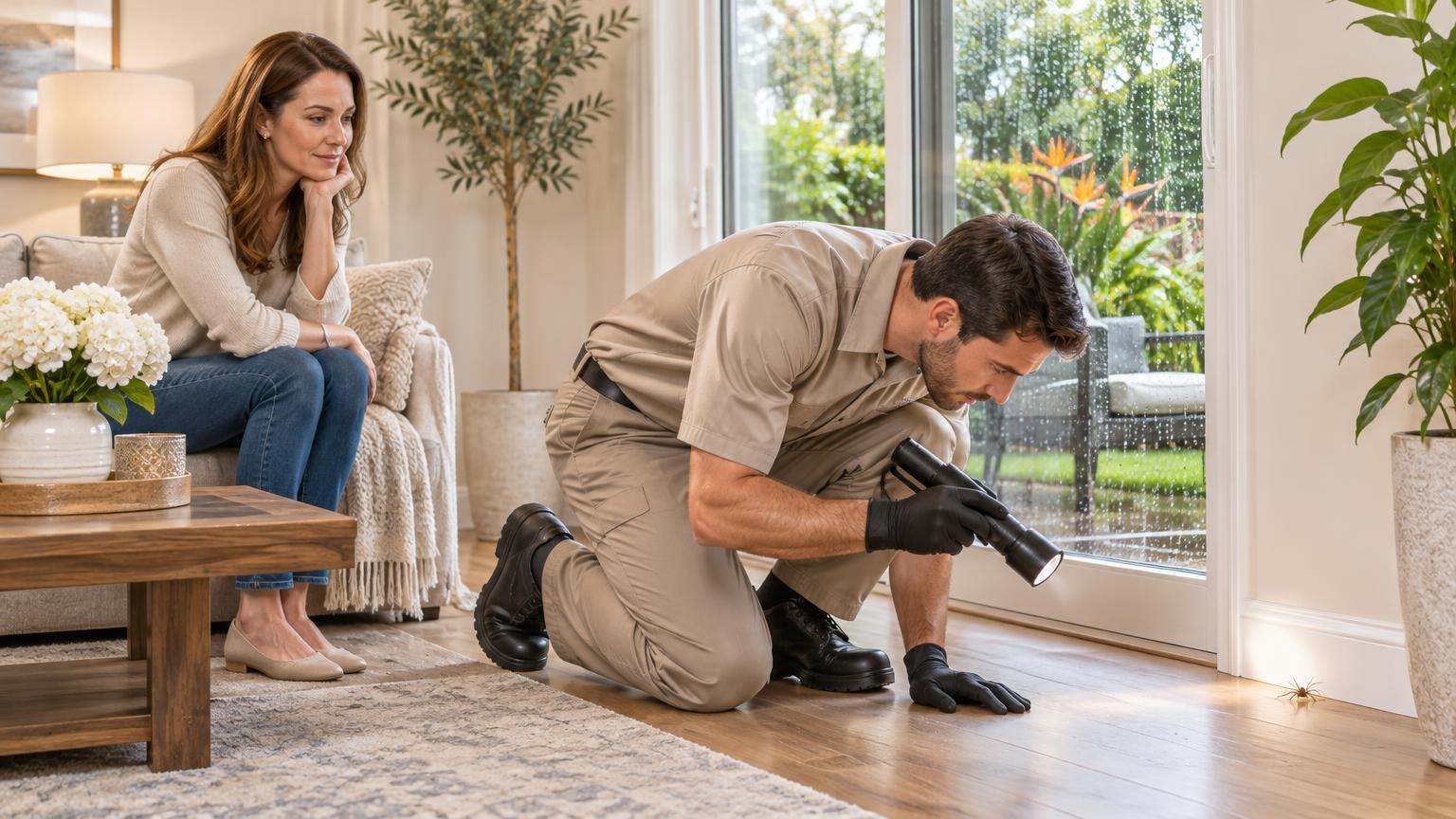
November often brings the start of Orange County's wetter season, and even a brief stretch of rain can make spiders more noticeable indoors. A few sightings do not always mean you have a major problem. Still, repeated webs, egg sacs, or spiders turning up in several rooms can point to conditions that need attention.
Here in San Clemente, mild temperatures can keep spiders active through much of the year. Rain changes their outdoor hiding places and can shift insect activity closer to the home. We're sharing what may be behind the surge, where to look, and when spider infestation treatment is the safer answer.
Keep Rain-Driven Spiders From Taking Over Your Home
After rain, spiders may leave damp landscaping, disturbed web sites, and saturated cracks around the property in search of a dry place to settle. Garages, closets, storage rooms, and covered patios can feel like safe shelter, especially when they are quiet and filled with places to hide.
Spiders also go where the food is. If ants, cockroaches, flies, or other small insects move indoors or into protected spaces after rainfall, spiders may follow. That is why recurring spider activity can sometimes be a clue that another pest issue is helping support it.
Orange County homes can remain appealing after a storm because protected areas stay relatively mild and undisturbed. During the fall rainy season, we often recommend paying closer attention to places such as:
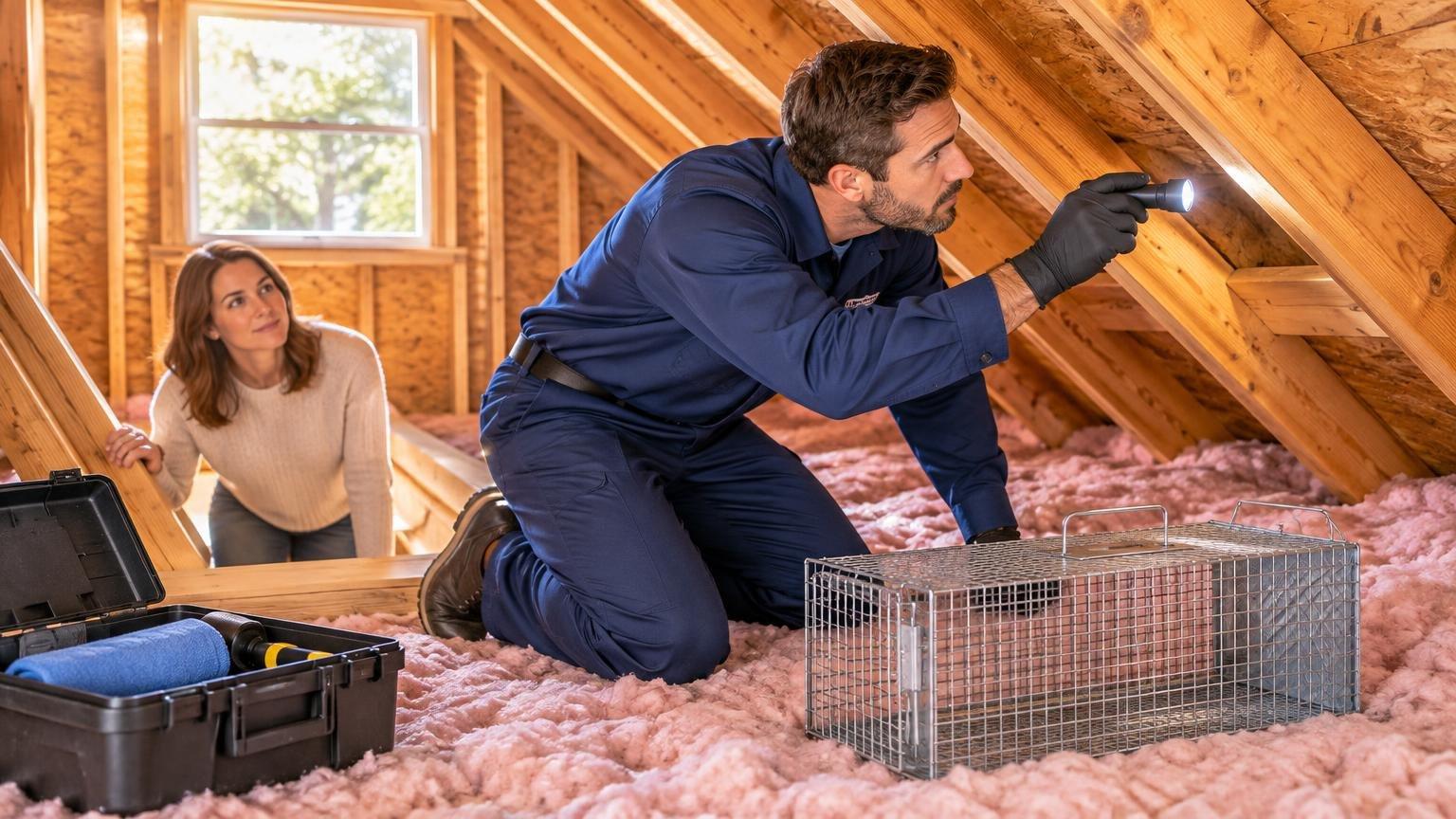
- Garages, attics, crawl spaces, and utility closets
- Covered patios, sheds, and outdoor storage areas
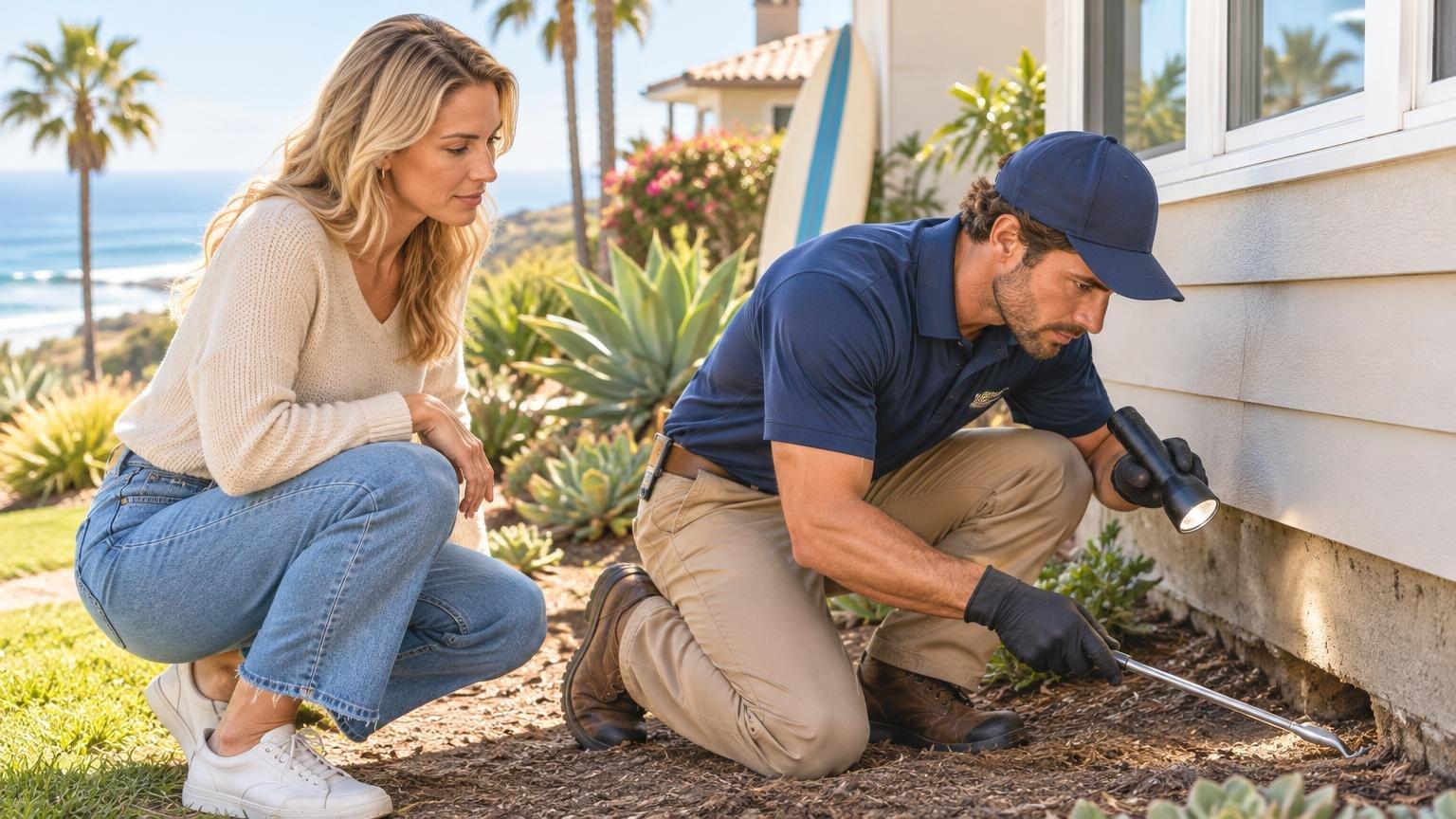
- Block walls, foundation cracks, and gaps near siding
- Patio furniture, mulch beds, leaf litter, and stacked materials
A November inspection can help you catch problems early, before repeated web-building becomes part of your weekly cleanup routine.
Why Rain Can Send Spiders Inside
Rain does not make spiders appear out of nowhere. It can, however, disrupt the outdoor spaces they were already using. Mulch, dense plants, leaf litter, firewood, patio furniture, sheds, and cracks along the foundation can all hold spiders or their prey. Once those spots become wet or disturbed, a nearby building may become the next best option.
Protected indoor areas offer darkness, less foot traffic, and plenty of corners. A spider may enter through a small opening, or it may already be living in a quiet area that has not been disturbed for a while. Garages and storage spaces are especially common places to find webs because boxes, bins, and stored items create easy harborage.
Rather than focusing only on the spider you see, we encourage you to consider what may be attracting it. Removing one web is helpful, but a web that returns quickly may mean insects are active nearby or entry points are still open.
Find Entry Points and Spider-Friendly Conditions
A simple inspection around the home can reveal where spiders may be getting in. Start at ground level, then work your way around doors, windows, vents, and utility connections. Small openings can be enough for spiders to enter, while cluttered indoor spaces can give them a place to remain unnoticed.
Check these common trouble spots after rainy weather:
- Worn door sweeps, loose weather stripping, and gaps under garage doors
- Torn window screens and openings around window frames
- Attic vents, plumbing penetrations, utility lines, and exterior siding gaps
- Stacked boxes, shoes, gloves, toys, and storage bins left undisturbed
- Dense plants, untrimmed shrubs, debris, or firewood kept close to the structure
Recurring webs in corners, along window frames, or near garage ceilings deserve attention. Egg sacs are another sign that the area is being used as more than a quick hiding place. Sightings in multiple rooms, especially soon after rain, can also mean spiders are finding easy access and suitable shelter.
Use extra care around dark, sheltered areas. Before putting on shoes or gloves stored in a garage or shed, give them a quick look. The same goes for outdoor toys, bins, and patio items that children or pets may touch.
Use Safe Cleanup and Prevention Steps
After a rainy period, basic cleanup can reduce the number of places spiders can hide. We recommend vacuuming visible webs, egg sacs, and spiders from corners, baseboards, closets, garage areas, and window frames. Empty the vacuum outdoors afterward, and avoid handling spiders directly when you cannot identify the species.
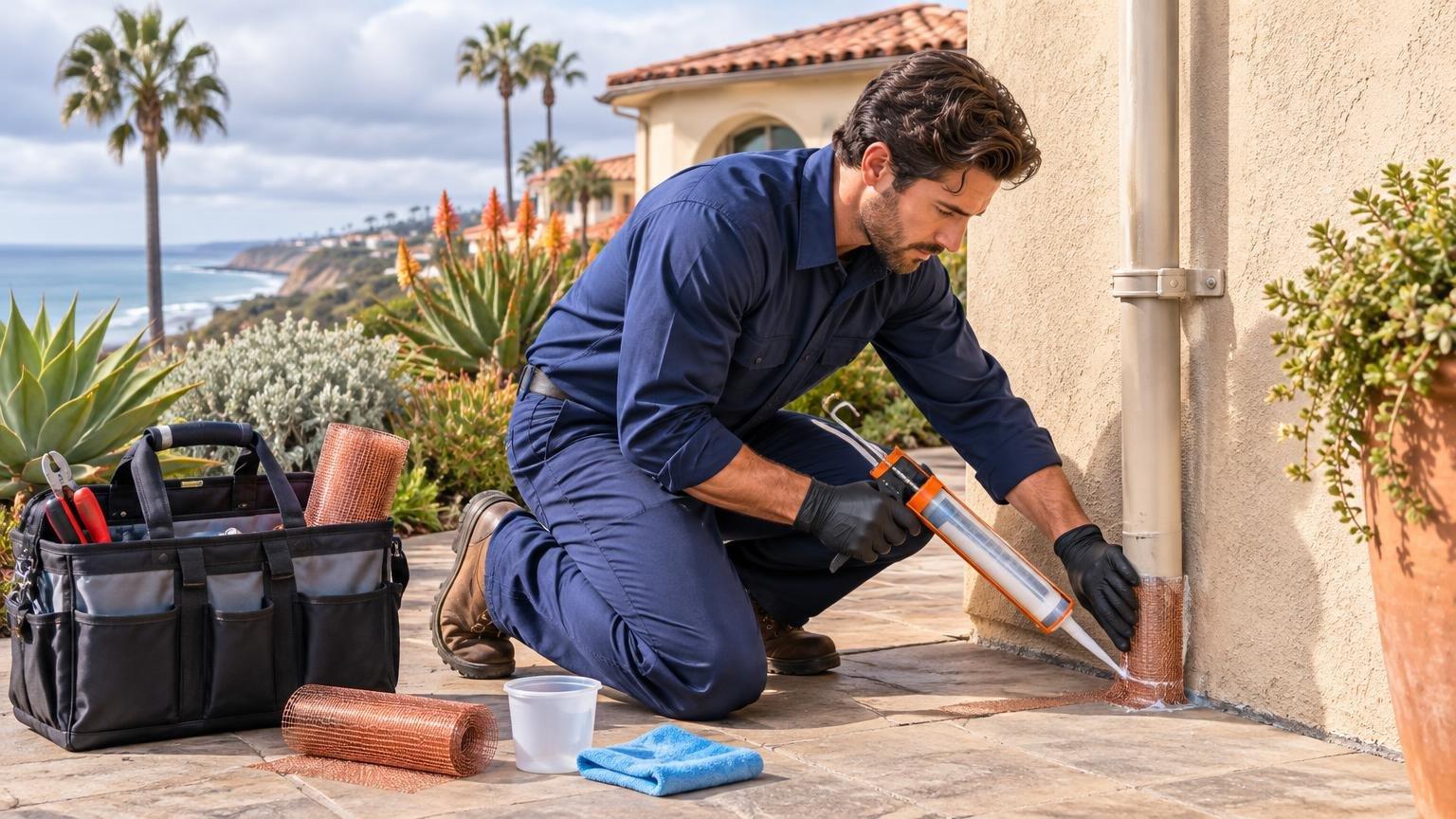
Small exclusion repairs can also make a meaningful difference. Replace damaged screens, repair door sweeps, and seal small gaps around pipes or utility openings. Stored items are best kept off the floor when possible and moved slightly away from walls, so spiders have fewer hidden pathways.
Outside, keeping vegetation trimmed back from the structure can limit easy travel routes. Removing leaf litter and moving firewood, patio supplies, or storage items away from exterior walls can help reduce shelter close to the home. These steps may lower activity, but they do not always solve a recurring issue.
If webs return quickly, spiders are appearing in living spaces, or you are seeing them in several areas, the problem may need more than cleaning. Professional spider infestation treatment can focus on likely harborage areas while also addressing the insects that may be drawing spiders in.
When Professional Spider Infestation Treatment Helps
Frequent sightings in garages, attics, crawl spaces, exterior walls, or commercial storage areas are good reasons to bring in trained help. Instead of relying on broad indoor spraying, we inspect for entry points, shelter areas, and pest activity that may be contributing to the problem.
Prompt attention is especially important when you find suspected black widow spiders, egg sacs near places used by children or pets, or spiders in beds and frequently used rooms. Not every brown spider is dangerous, but it is wise to treat an unfamiliar spider cautiously rather than trying to identify or remove it by hand.
When you work with us, we assess the conditions around your property, reduce spider harborage, and look for pest activity that may be supporting the spider population. Our locally tailored options include kid- and pet-safe treatment choices, along with practical recommendations for exclusion and sanitation improvements.
Get Ready for the Next Rainy Week
An increase in spiders after Orange County rainfall is often a sign that shelter, open entry points, or insect activity are giving them a reason to stay. Acting early in the rainy season can help keep a few post-rain sightings from turning into recurring webs throughout the house.
Keep an eye on the quiet, cluttered, and sheltered areas that spiders prefer. Regular cleanup, sensible exclusion repairs, and careful inspection after rain can make your space less inviting while helping you spot a larger concern before it spreads.
Get Clear Answers About Spider Activity
If spider sightings keep increasing indoors, our spider infestation treatment can help identify likely entry points and activity areas. At Recon Pest Control, we assess the conditions around your home and recommend practical next steps based on what we find. Contact us to schedule an inspection and get help addressing persistent spider concerns.