Stop Attic Rats Before Nesting Begins
Late-fall and holiday-season evenings in Orange County can send rats searching for quiet nesting spots in attics, garages, and wall voids. Once they find food, water, and shelter, a small rodent problem can grow quickly.
DIY traps may help when there is limited, easy-to-reach activity. Still, lasting rat removal from the attic depends on finding entry points, removing active rodents, and stopping them from coming back. We'll cover warning signs, trap limits, child and pet safety, and when a licensed pest control company is the safer choice.
Confirm Rats Are Living in Your Attic
Noises overhead do not always mean rats. Mice, squirrels, birds, and other wildlife can all create scratching sounds, especially after dark. Using the wrong trapping method can waste time and may create unnecessary risks.
Common evidence we look for includes:
- Scratching, scurrying, or gnawing sounds at night
- Larger droppings, chewed insulation, or shredded nesting material
- Gnaw marks on wiring, boxes, or stored belongings
- Stale or unusual odors near attic areas
Rat droppings are generally larger than mouse droppings, but you should avoid handling either. Stay on supported attic surfaces, inspect from a safe distance, and do not disturb nests or droppings without gloves, a mask, and proper cleanup supplies. Photos of visible evidence can be helpful during a professional inspection.
Compare DIY Traps with Professional Removal
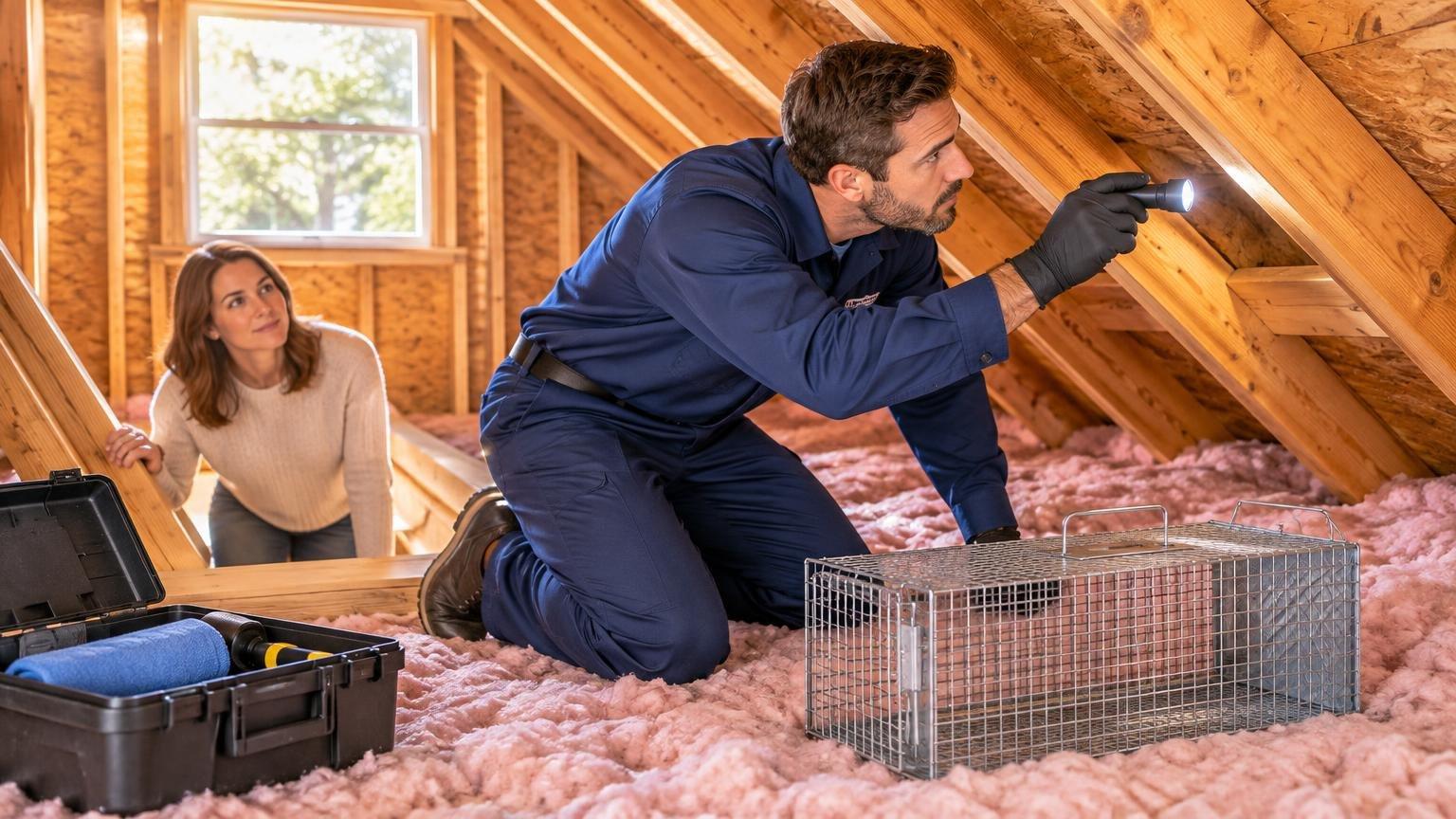
A trap can be useful when activity appears limited, the attic is safely accessible, and you can check it every day. Sturdy rat snap traps or enclosed electronic traps are generally better suited for rats than small mouse traps. If traps are used, they should be placed along walls and known travel paths, well away from children and pets.
The trouble is that catching one rat rarely tells the whole story. Other rats may be hidden in insulation, wall voids, or areas you cannot safely reach. Traps also do nothing to close the gap, vent opening, or roofline access point that brought the rats inside.
We generally discourage poison for attic rat problems. Rodenticides can create concerns around children, pets, and wildlife. A rat that dies behind a wall or in another hidden space can also leave an odor that is difficult to address. Ongoing or widespread activity calls for a more complete approach than trapping alone.
Know When Experts Are Needed
Repeated noises after trapping, strong odors, multiple nests, or damage to electrical wiring are signs the problem may be larger than a DIY effort can handle. Rats may also be entering through rooflines, attic vents, damaged screens, or gaps near utility lines and eaves.
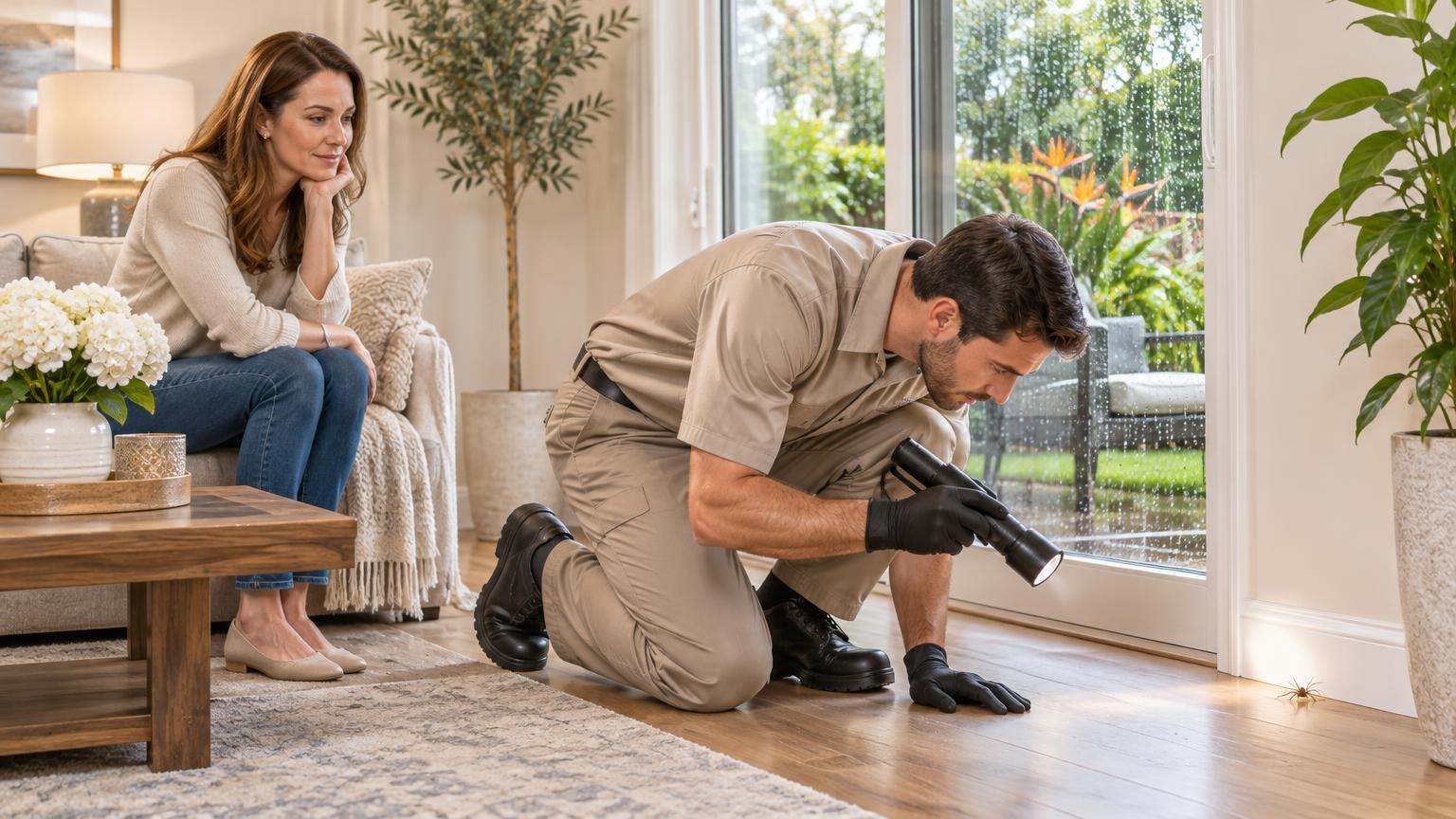
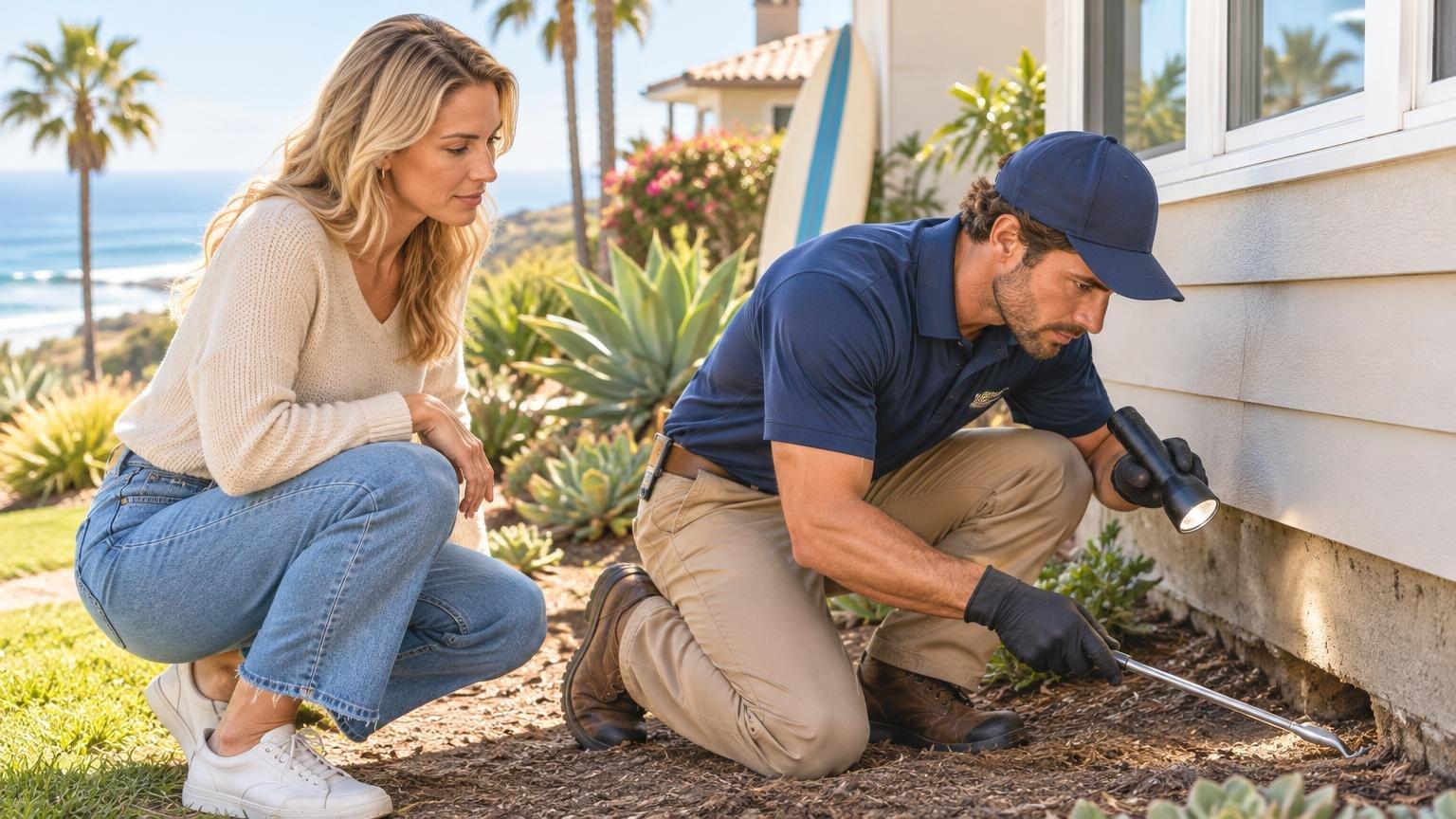
Professional rat removal from the attic starts with a detailed inspection. We look for likely travel routes, visible contamination, nesting areas, and exterior openings that may be allowing access. This helps us create a plan based on what is happening at your home or business, rather than guessing from one trap catch.
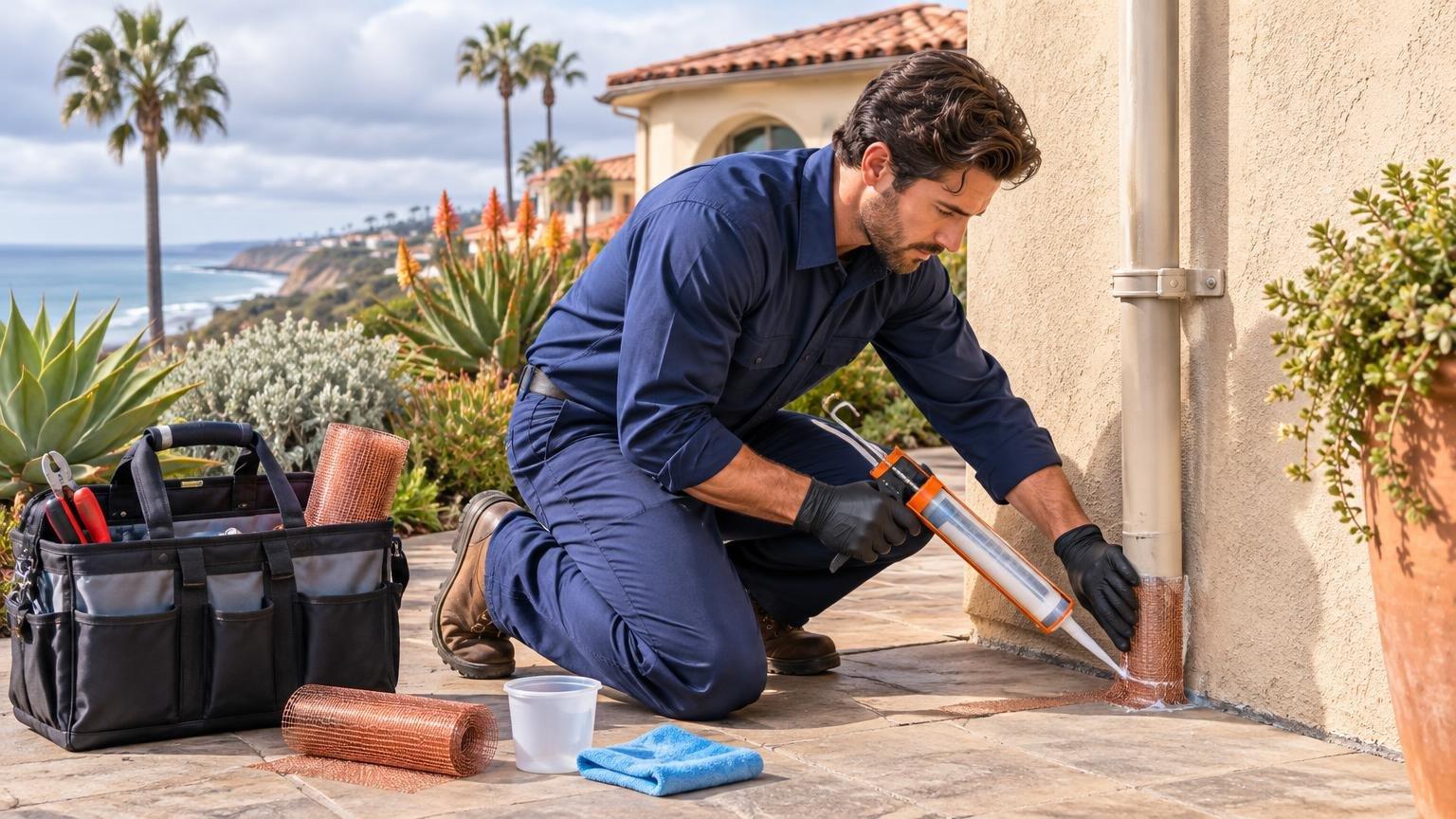
Exclusion work matters because rats can fit through surprisingly small openings. After active rodent activity is addressed, durable repairs can help block access around roof returns, vents, pipes, and other weak points. Without this step, a quiet attic can become active again.
Prevent Another Rat Problem After Removal
Reducing food sources and exterior access gives rats fewer reasons to stay near your property. During the holiday season and throughout the year, we recommend keeping outdoor areas tidy and watching for new gaps around the structure.
- Keep trash containers closed and clean up fallen fruit
- Store pet food and birdseed in sealed containers
- Trim branches back from rooflines
- Repair damaged vent covers and worn weatherstripping
- Seal openings around pipes, utility lines, and garage doors
Attic cleanup should not be overlooked. Droppings, urine, damaged insulation, and nesting material can leave odors and create sanitation concerns. When contamination is extensive, proper protective equipment and professional cleanup are the safer path.
DIY traps can have a place in a minor, accessible situation, but they are rarely a full answer when rats are nesting, damaging wiring, or repeatedly entering the property. Acting early helps prevent a hidden attic problem from becoming a much bigger repair and cleanup issue.
Protect Your Attic From Ongoing Rat Damage
Recon Pest Control can assess entry points, nesting activity, and conditions that allow rats to return. Our rat removal from the attic service focuses on removing the problem and helping protect the space from future activity. If you need an inspection or want to discuss your options, contact us to schedule service with our team.