Keep Rodents Out Before Winter Rains Arrive
Sealing rodent entry points before winter rains is one of the smartest ways to protect your home or business. When rain and wind disrupt dry outdoor nesting spots, mice and rats may head for garages, attics, wall voids, storage rooms, and other sheltered spaces. Once inside, they can leave droppings, contaminate stored food, damage belongings, and chew on wiring.
Here in Orange County, the holiday season may not bring harsh winter weather, but rainy days still change rodent behavior. We recommend getting ahead of the problem by inspecting the exterior, finding openings, using chew-resistant materials, and clearing away the outdoor conditions that make rodents want to stay nearby. If you already see heavy droppings, gnaw marks, damaged wiring, or gaps high along the roofline, professional exclusion is usually safer than trying to seal the problem yourself.
Find and Seal Rodent Entry Points Before Winter Rains
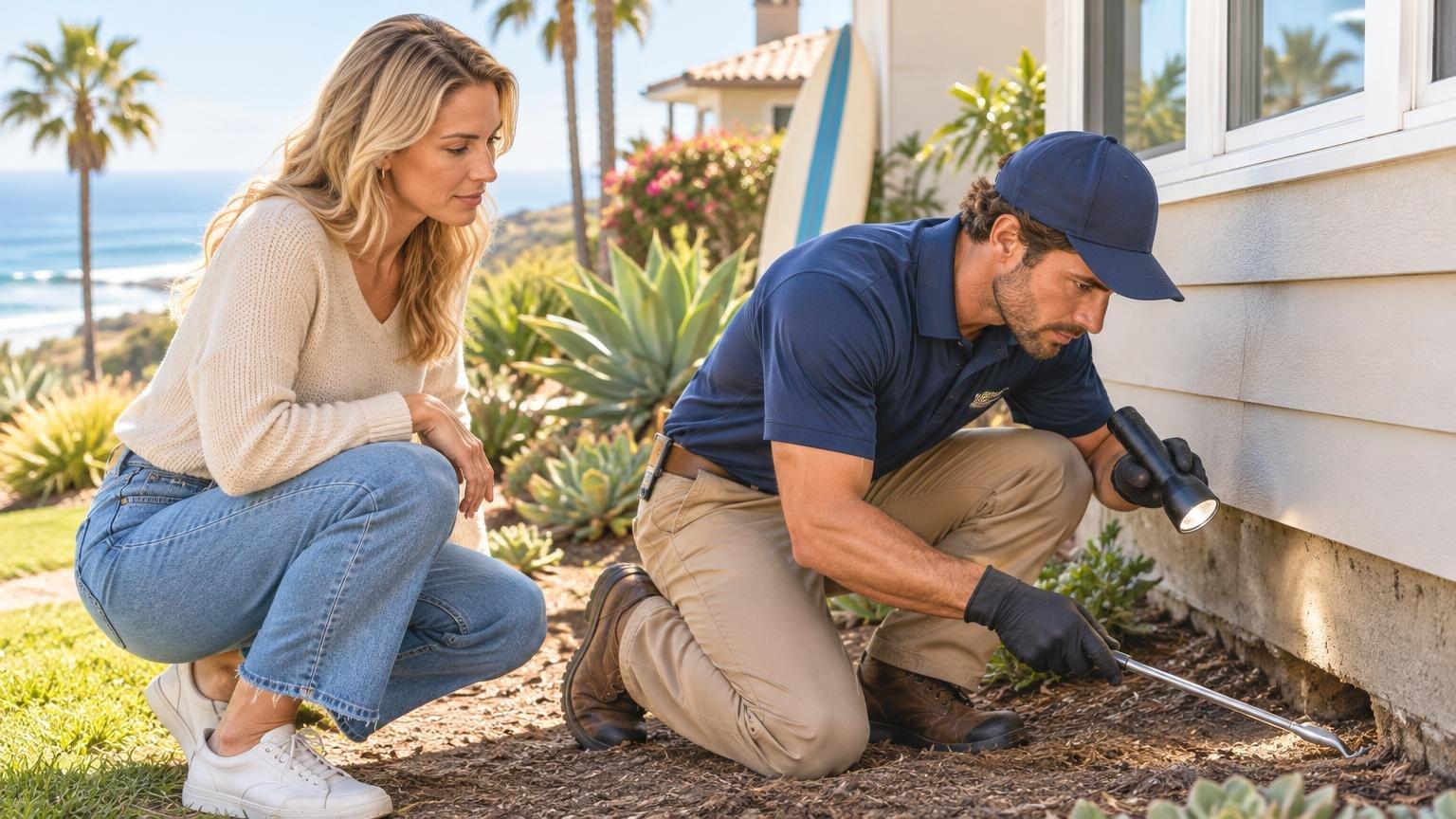
A careful exterior walk-around can reveal a lot. Mice can fit through a gap as small as one-quarter inch, while rats can enter through openings about one-half inch wide. That means a small crack beside a pipe or a worn corner of a garage seal can become a busy doorway.
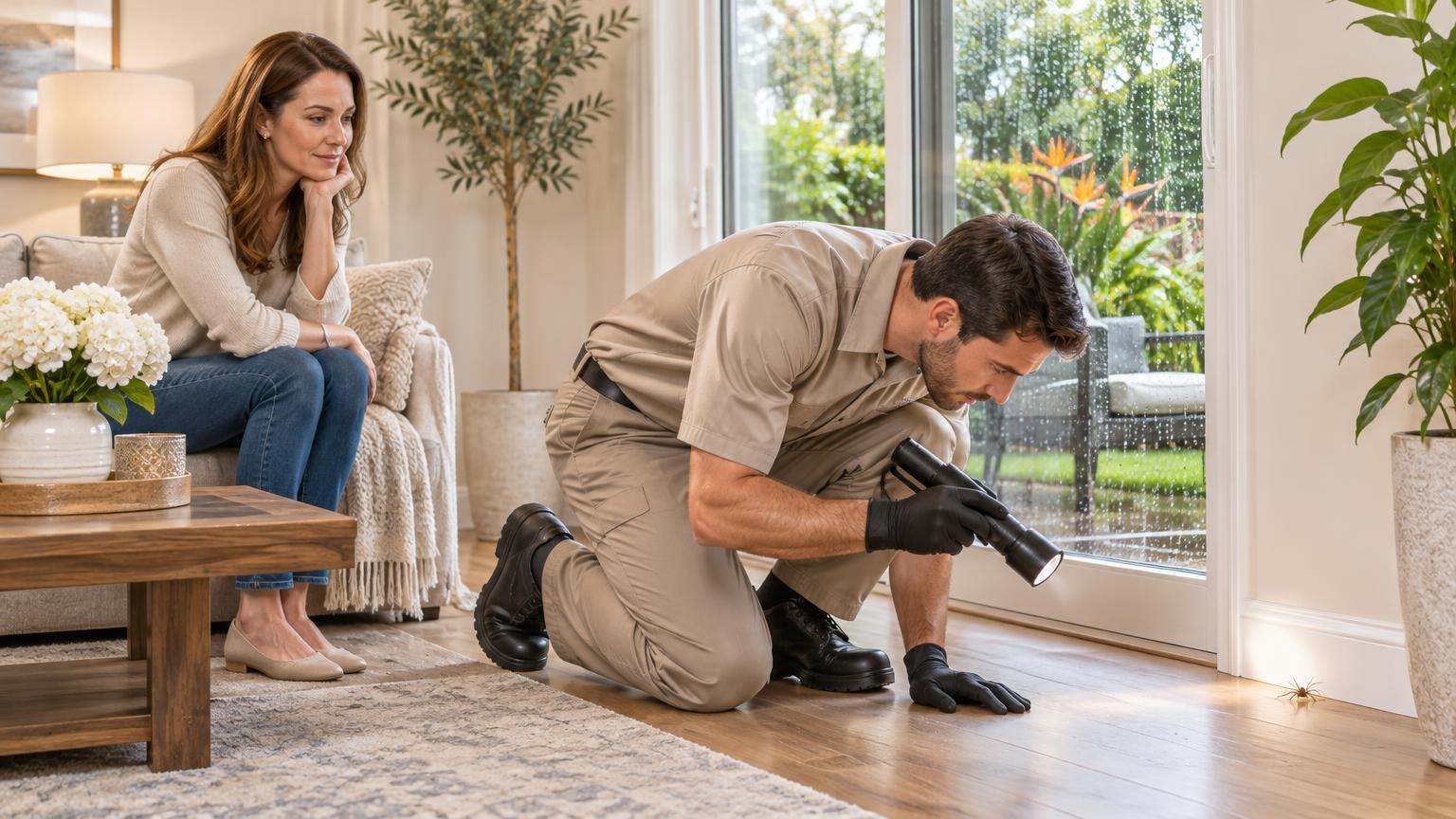
During daylight, we suggest walking slowly around the structure with a flashlight. Check low areas first, then look up at walls, vents, trim, and roof edges. Pay close attention to spots where materials meet, shift, or have been repaired over time.
Look for signs such as:
- Gaps around utility pipes, AC lines, cable connections, and dryer vents
- Cracks where concrete meets siding or exterior walls
- Greasy rub marks, gnawing, droppings, or shredded nesting material
- Burrows near the foundation, garage corners, crawl-space openings, or stored items
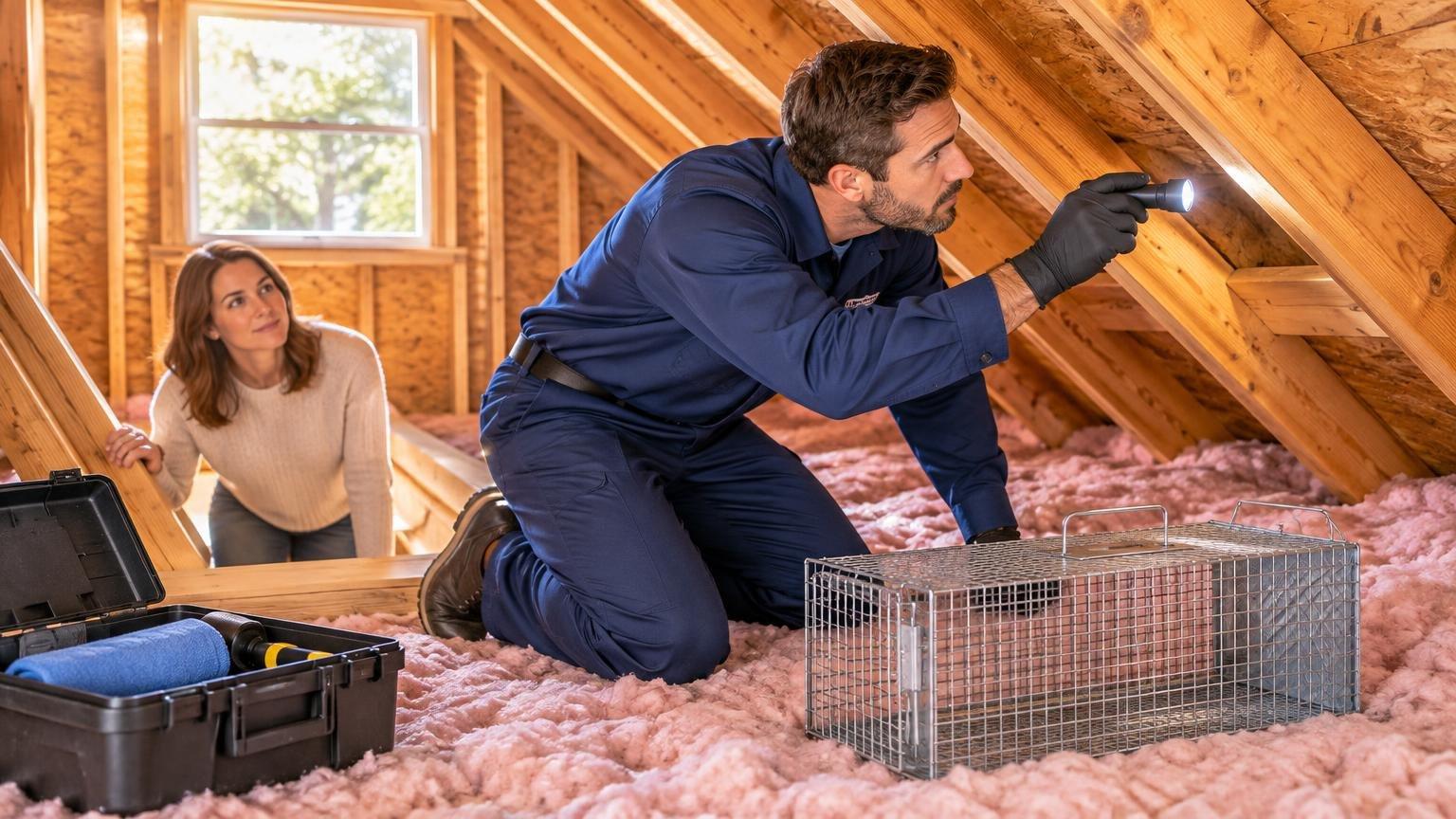
It also helps to inspect from the inside. A dark garage corner, attic access area, or crawl space may show daylight coming through a gap that is hard to spot outdoors.
Do not rush to close every opening if you think rodents are already inside. Blocking an active route can trap them indoors, and they may chew new paths through cabinets, ceilings, walls, or insulation. When activity is visible, we recommend having the property inspected before exclusion work begins.
Choose Durable Materials to Seal Rodent Entry Points
Not every repair material can stand up to rodent teeth. Foam alone may fill a hole, but it is not a dependable barrier when mice or rats are determined to get through. The strongest exclusion work combines the right material with a secure fit.
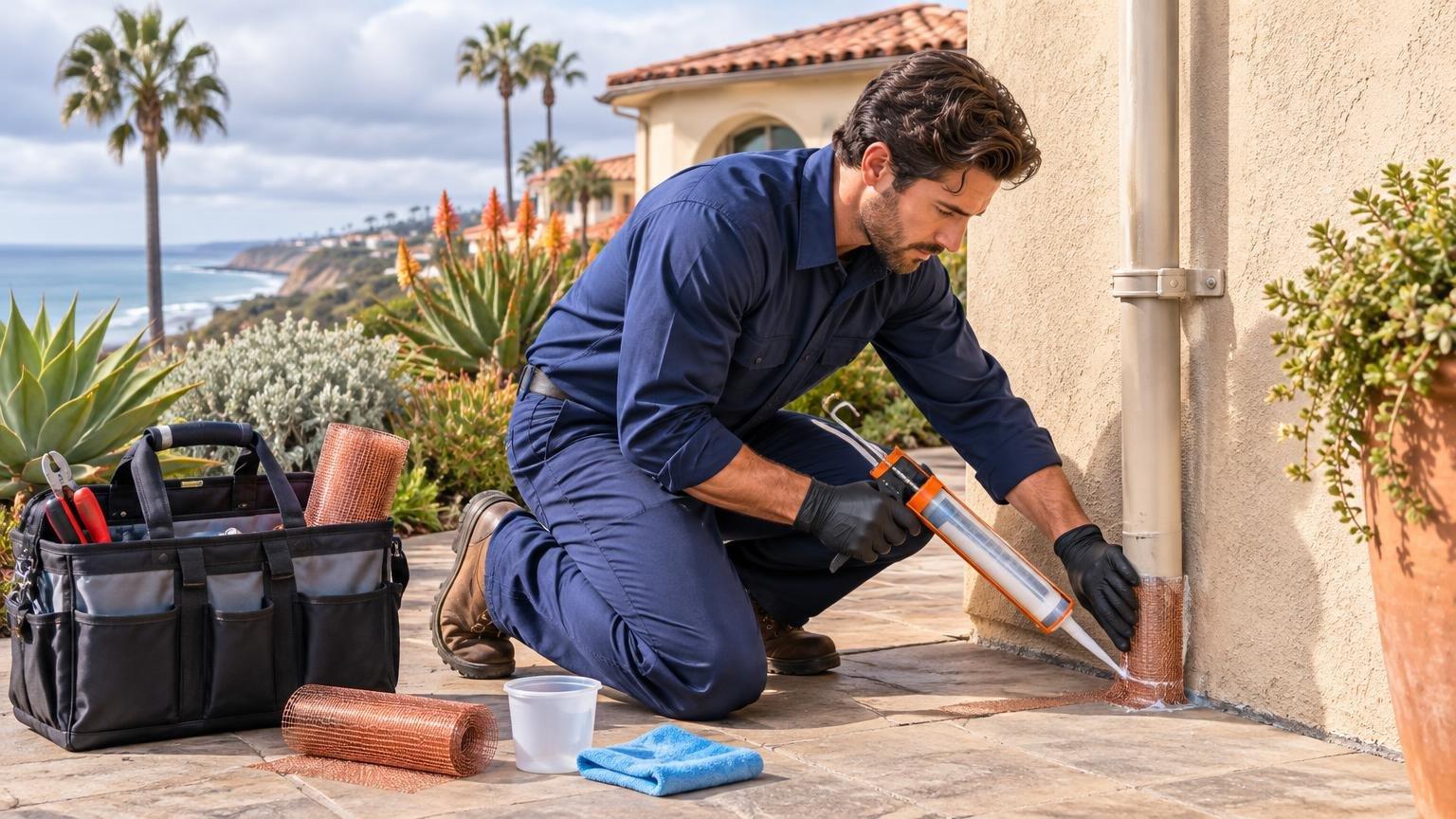
For vents and larger openings, quarter-inch galvanized hardware cloth is a practical choice. Metal flashing can cover damaged siding, worn roofline gaps, and larger seams where building materials meet. Small crevices may be packed with copper mesh or stainless steel wool before being finished with exterior-grade caulk.
We often advise against relying on these materials by themselves:
- Expanding foam
- Lightweight plastic screens
- Wood filler
- Standard caulk without metal reinforcement
Those products can still have a place as finishing materials. They help close edges, improve appearance, and keep smaller pests out. Still, a rodent-resistant repair needs a solid metal barrier where chewing is likely.
Safety matters during any inspection or repair. Wear gloves around suspected rodent areas, and avoid sweeping or disturbing droppings without proper cleanup precautions. Vent covers also need to allow required airflow, so covering an opening should never create a new moisture or ventilation problem. Kid- and pet-safe prevention starts with blocking access rather than depending only on indoor bait products.
Inspect Doors, Vents, Rooflines, and Utility Lines
Rodents do not always enter at ground level. A loose garage door seal, worn weatherstripping, or gap under an exterior door can invite activity close to the floor. Higher up, rats and mice may travel along fences, trellises, trees, pipes, or utility lines to reach attic vents and roof intersections.
Start with the doors you use every day. Check that exterior doors close snugly, garage door bottom seals touch the ground evenly, and pet doors close securely. Durable door sweeps can help close the narrow space below a door, while damaged garage seals should be replaced before rainy weather settles in.
Above the ground, inspect:
- Attic and crawl-space vents
- Chimney openings and caps
- Eaves, fascia boards, and roof intersections
- Electrical, plumbing, and utility penetrations
Correctly sized metal vent screens are important because they block rodent access without stopping airflow. A screen that is loose, bent, or too wide can leave an easy route inside. High rooflines, chimney caps, electrical openings, and areas tied to drainage or ventilation deserve professional attention. These repairs can affect building safety if they are handled incorrectly.
Remove Outdoor Food, Clutter, and Moisture
Sealing a gap is far more effective when the outside of the property is less inviting. Rodents look for food, hiding spots, and water close to a structure. If those needs are easy to meet in a side yard or garage, they are more likely to keep testing the exterior for a way in.
Simple cleanup habits can make a noticeable difference. Keep trash cans closed, clean up fallen fruit, and store birdseed and pet food securely. Outdoor food bowls are best brought in overnight, especially when you have noticed signs of rodent activity nearby.
Shelter is another big draw. We recommend trimming dense vegetation away from exterior walls and moving firewood, boxes, and stored materials away from the home. Garages, sheds, and side yards should stay as organized as possible so rodents have fewer hidden places to nest.
Rainy periods also make moisture control worth a closer look. Check for dripping hoses, leaking irrigation, standing water, clogged gutters, and poor drainage near the foundation. Reducing moisture and outdoor shelter supports the exclusion work and makes it harder for rodents to settle in near your building.
Request Professional Exclusion Before the Next Rain
Before sustained rain arrives, take time to inspect the exterior, repair door and vent gaps, and watch for fresh signs of activity. Small openings can become major access points when rodents are searching for dry shelter, especially around garages, attics, utility lines, and stored items.
The best prevention plan is simple: use chew-resistant barriers, keep food and clutter under control, manage moisture, and monitor the property after repairs. If you find active rodents, extensive droppings, damaged wiring, or hard-to-reach gaps, professional exclusion can help make sure the problem is addressed without trapping rodents inside.
Protect Your Home Before the Rain Arrives
Recon Pest Control can inspect vulnerable areas and provide practical solutions to seal rodent entry points that may be easy to miss. Our team focuses on exclusion methods that help protect your home while addressing active rodent concerns. For help with an inspection or tailored plan, contact us today.