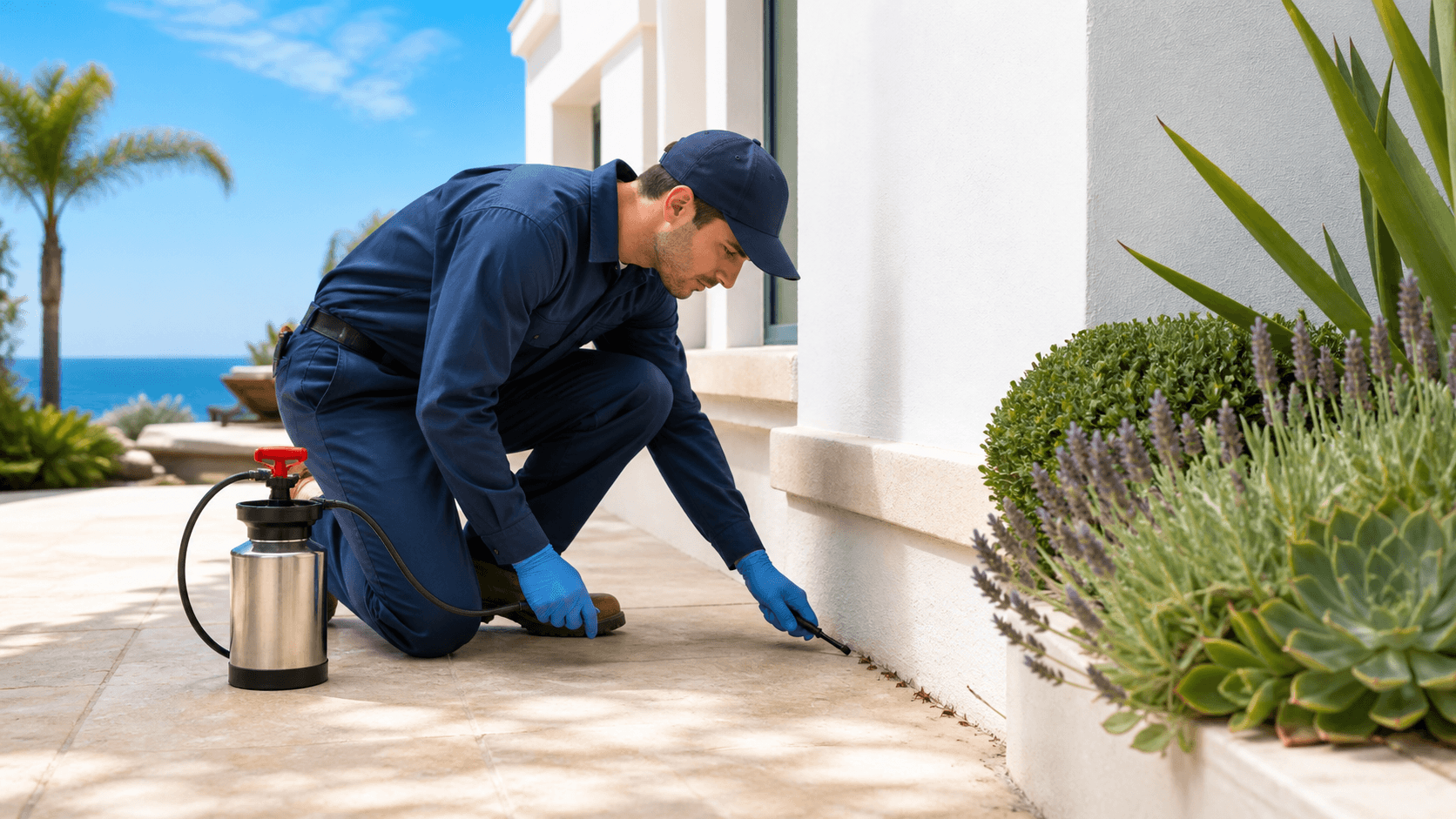
Stop Pests Before They Spread Across Your Home
Pests move fast in Orange County homes. One day you notice a trail of ants in the kitchen, and by the end of the week they are in the pantry, bathroom, and even the bedrooms. Late-summer heat waves can wake up ants, spiders, roaches, and rodents, and they do not stay in one corner for long.
A smart pest control plan helps stop that spread before it gets out of hand. Instead of just spraying a problem spot once and hoping for the best, an ongoing plan focuses on prevention, health protection, and keeping your property in good shape. It is about keeping pests from coming back, not just knocking them down for a few days.
This guide walks through how to compare pest control plans in Orange County, what to watch for in contracts and guarantees, practical DIY steps you can take yourself, and how to tell when it is time to call a local professional.
Know Your Local Pest Risks in Orange County
Orange County has pest activity all year, but different pests peak at different times. Late-summer can be especially active as pests look for water and shelter.
Common local pests include:
- Summer ants and wasps that show up around patios, kitchens, and trash areas
- Late-summer spiders that move inside as insects increase
- Rodents that stay active year-round in attics, garages, and wall voids
- Termites that quietly feed on wood structures over time
- Occasional invaders like earwigs, silverfish, and pantry pests
Our coastal climate in places like San Clemente, Dana Point, and Laguna Niguel stays pretty mild, which pests love. Warm days and cooler evenings mean pests can stay active and breed more often. Homes near canyons, golf courses, or greenbelts can see extra pressure from ants and rodents, while condos and townhomes may deal more with shared walls and common areas.
When you choose a plan, think about:
- Light prevention if you only see a few seasonal pests and want to keep it that way
- Medium protection if you see pests monthly or after every heat wave
- Heavy or recurring service if you have regular ants, spiders, or rodent signs
Also consider your property type. A single-family home with a yard usually needs more exterior work. Condos and rentals may need a plan that fits HOA rules or landlord expectations.
What to Look for in Pest Control Plans in Orange County
Not all pest control plans are the same. Before you sign anything, look closely at what is actually covered so you can make an apples-to-apples comparison between providers.
Key coverage details to check:
- Which pests are included and which are not (for example, are German cockroaches, fleas, or ticks included?)
- If services cover both indoor and outdoor areas (eaves, foundation, yard, garages)
- How often service happens: monthly, every other month, or quarterly
- Whether termites, bed bugs, or wildlife are treated as separate, specialty services
Safety and Treatment Approach
Safety should always be a priority, especially if you have kids or pets. When you compare companies, ask each one the same questions:
- How are products applied (crack-and-crevice, spot treatments, baiting) rather than broad spraying?
- Where are products placed (indoors vs. outdoors, attics, crawlspaces)?
- What steps do you need to follow after service (re-entry times, cleaning guidelines)?
Look for providers who use an integrated pest management (IPM) approach, which focuses on:
- Thorough inspection and identifying the source of the problem
- Targeted treatments instead of spraying everything
- Fixing or recommending fixes for conditions that attract pests, like gaps or harborage areas
- Using non-chemical methods when they are effective (exclusion, sanitation, habitat modification)
Good providers also tailor treatments to your home instead of using the same plan for everyone. A corner lot with a big yard does not need the exact same approach as a top-floor condo.
Transparency and Communication
A clear plan should include:
- A detailed inspection before any treatment
- Simple explanations of what the technician will do and why
- Written notes or recommendations after each visit (email, portal, or paper)
- Options for how you get updates, such as text, email, or door tags
When you compare providers, ask to see a sample service report so you know what kind of detail you will receive.
Comparing Contracts, Pricing, and Guarantees
Contracts can be simple or confusing, so read them carefully and compare the same details across companies.
Contract Terms
- Length of agreement and how often service occurs
- Whether there is any penalty or cancellation fee if you want to stop service
- What happens if you move within or out of the area
- Any language that feels one-sided or hard to understand (automatic renewals, high early-termination fees)
If something is unclear, ask for it in writing before you sign.
Pricing Structures
Pricing structures often include an initial visit that may be more detailed, followed by regular services. You might see:
- Flat-rate recurring plans
- Per-visit pricing for one-time issues
- Separate line items for add-on services like rodent exclusion work or termite checks
Since we are avoiding exact prices here, focus on comparing what each provider actually includes in a plan:
- How long is the initial service, and what does it cover?
- Are follow-up visits shorter or more limited?
- Is rodent proofing, sealing, or trapping included or billed separately?
- Are emergency or in-between visits included or extra?
One company might look cheaper upfront but cover fewer pests or offer fewer follow-up visits, so look beyond the monthly number.
Guarantees
Guarantees show how much the provider stands behind their work. A common option is a reservice guarantee, which usually means:
- If pests come back between scheduled visits, the provider will return at no additional cost
- There may be a time window, such as a set number of days after a service
- Some pests or situations might be excluded (for example, bed bugs or wildlife)
When you compare guarantees, ask:
- How quickly will you come back if pests return?
- Is there a limit on the number of return visits?
- Do you change the treatment plan if pests persist, or just repeat the same service?
- Are there conditions that would void the guarantee (like not following sanitation recommendations)?
DIY Pest Prevention: What You Can Do Yourself
There are basic things almost any homeowner can do that make a big difference. These steps not only cut down on pests but also help you get more value out of any professional plan you choose.
Seal Entry Points
Focus on common entry areas:
- Doors: Install or replace door sweeps so no light shows at the bottom. Use weatherstripping around frames if you feel drafts.
- Windows: Repair torn screens, caulk gaps where the frame meets the wall, and ensure windows close tightly.
- Utility lines: Check where cables, pipes, and A/C lines enter walls. Seal gaps with exterior-grade caulk or foam; use copper mesh plus sealant for larger holes to deter rodents.
- Attics and garages: Look for gaps at the roofline, vents, and around garage doors. Replace worn weatherstripping and use pest-proof vent covers where appropriate.
Reduce Food and Water Sources
- Kitchen: Wipe counters and stovetops nightly, sweep or vacuum crumbs, and avoid leaving dirty dishes in the sink overnight.
- Pantry: Store dry goods (cereal, pet food, rice, flour) in airtight containers. Discard infested items immediately.
- Trash: Use bins with tight-fitting lids indoors and outdoors; rinse recyclables before placing them in bins.
- Water: Fix dripping faucets, running toilets, and leaky hoses. Empty plant saucers and standing water in buckets or yard items.
Trim and Tidy the Exterior
- Keep shrubs, tree branches, and groundcover trimmed back at least 12, 18 inches from the house to reduce bridges for ants and rodents.
- Remove yard debris like woodpiles, cardboard, and clutter that provide shelter for spiders, rodents, and insects.
- Store firewood off the ground and away from the structure when possible.
Use Store-Bought Products Wisely
- Baits: For ants and roaches, use bait stations according to label directions. Place them where pests travel but out of reach of children and pets. Avoid spraying over or around baits, which can make them less effective.
- Traps: For mice, place snap traps or covered traps along walls where droppings or rub marks are seen. Use gloves, and check traps daily.
- Sprays: Choose products labeled for the specific pest and area (indoor vs. outdoor). Follow all label directions, and avoid over-applying.
DIY is usually enough for:
- A few scout ants that do not keep coming back
- An occasional spider or two
- Seasonal pests that fade when you clean up outdoor clutter and seal entry points
- Light pantry pest issues that stop after you discard infested products and clean shelves thoroughly
When to Call a Professional
There are clear situations where professional help is the safer or more effective option:
- Recurring infestations that show up week after week despite cleaning and basic DIY steps
- Rodents, since they can chew wires, create fire hazards, and spread bacteria
- Wasp nests near doors, windows, or play areas, especially if anyone has allergies
- Any signs of termites, like mud tubes, hollow-sounding wood, or swollen doors and windows
- When over-the-counter products stop working or seem to make things worse (for example, ant sprays that scatter ants to new areas)
Ongoing pest control plans in Orange County can create a steady barrier around your home, combining professional treatments with your own prevention steps so you are not starting from scratch every time pests show up.
How to Vet Local Pest Control Providers
Choosing the right local provider is just as important as choosing the right plan.
Licensing, Insurance, and Experience
In California, companies must be properly licensed, and they should carry insurance. When you speak with any provider, you can:
- Ask for their licensing information and verify it with the state.
- Confirm they carry liability insurance and workers' compensation.
- Ask how long they have been servicing Orange County neighborhoods and which cities they work in most.
Reputation and Responsiveness
Helpful ways to check reputation:
- Read recent online reviews, not just older ones. Look for patterns in comments about punctuality, effectiveness, and professionalism.
- Ask neighbors or local friends who they use and what their experience has been.
- Pay attention to how quickly a company responds to calls or messages and how clearly they explain their services.
Fit for Your Household
Make sure the provider fits your specific needs. Ask about:
- Kid- and pet-safe approaches and what that means for your home in practical terms (re-entry times, product placement).
- Flexible scheduling that fits around work or school, including early or late appointment options if needed.
- Experience with your property type, whether it is a single-family home, condo, townhome, or rental.
- Willingness to customize a plan instead of forcing you into one package, for example, adding rodent exclusion or focusing on high-pressure areas.
You should feel comfortable asking questions about products, process, and what to expect over time from any company you are considering.
Secure a Pest-Free Home with the Right Plan
The right pest control plan starts with knowing your local risks and how often pests show up around your home. From there, you can match your needs to a plan that fits your property, your family, and your comfort level with kid- and pet-safe options.
Taking time to compare coverage, contracts, and guarantees helps you avoid surprises later and choose a plan that truly protects your home. Combine that with consistent DIY steps, sealing entry points, reducing food and water sources, and keeping your exterior tidy, and you will be better positioned to keep pests from spreading across your home.
If DIY steps are no longer keeping up with the problem, a qualified local pest control provider can inspect, design a targeted plan, and maintain a protective barrier tailored to Orange County conditions.
Protect Your Home With Customized Pest Solutions Today
If you are ready to stop recurring infestations and protect your property long term, explore our tailored pest control plans in Orange County. At Recon Pest Control, we design services around your home, schedule, and budget so you only pay for the coverage you truly need. Our team is here to answer questions, explain options, and recommend the right level of protection. Have specific concerns or need a quick quote? Just contact us and we will help you get started.