Stop Rodents Before They Take Over Your Garage
Rodents love garages and storage areas in San Clemente. There is shelter, clutter, and usually plenty of quiet corners where no one looks very often. If you are opening the garage this fall and spot droppings, chewed corners on boxes, or a strange musty odor, there is a good chance rodents have already moved in.
Garages and storage areas across coastal Orange County are easy targets. Rodents slip in from the yard, the driveway, or the roof, then hide behind stored boxes and gear. They chew, nest, and leave messes that can affect both your property and your health.
In this guide, we walk through how rodent proofing in San Clemente garages and storage spaces works, what to look for, and when it is time to bring in a professional. Our goal is to help you stop small problems before they turn into a full-on infestation.
Why San Clemente Garages Attract Rodents Fast
In San Clemente, warm days and cooler evenings in late summer and fall push rodents to seek out steady shelter. Garages and storage spaces are perfect because doors open and close all day, and small gaps are hard to notice. Nearby canyons, greenbelts, and washes give rodents a place to live, then they follow walls and fences straight to your home.
Common local troublemakers include:
- Roof rats that travel along fences, trees, and rooflines
- House mice that squeeze under doors and through tiny cracks
- Other outdoor rodents that sneak into ground-level storage
They find their way inside through:
- Gaps under or along the sides of garage doors
- Openings where utility lines and pipes enter
- Cracks in stucco or around vents and eaves
Once inside, certain items raise your risk:
- Stacked cardboard boxes, especially on the floor
- Pet food, birdseed, or snacks stored in thin bags
- Surf gear or camping items put away damp
- Piles that sit untouched for months
The more clutter and cover they have, the faster they settle in and start breeding.
Step-by-Step Garage Inspection for Hidden Rodent Entry Points
A good rodent-proofing plan starts with a careful inspection. You do not have to tear the whole garage apart, but you do need to look with purpose.
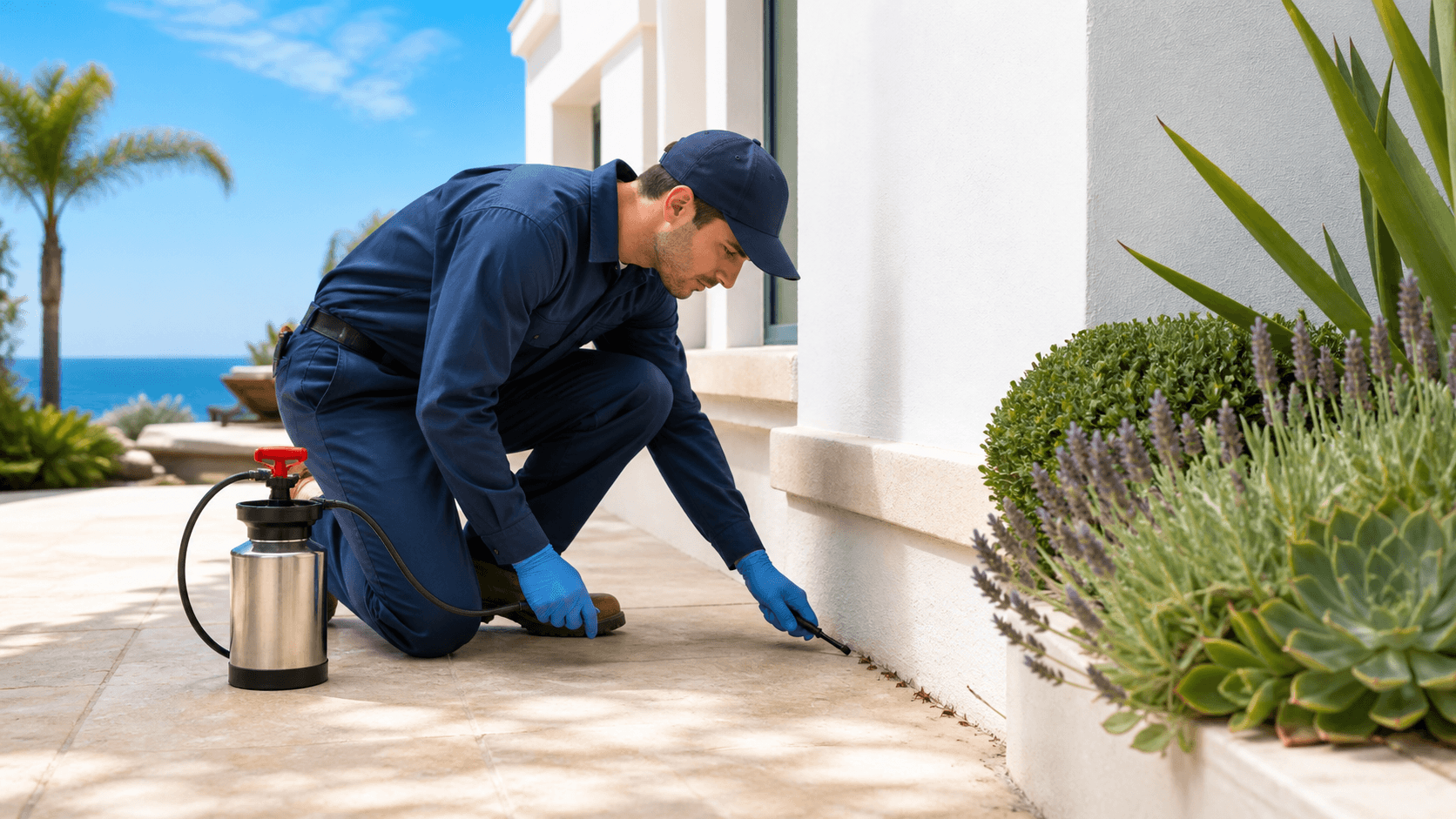
Start outside first. Walk slowly around the garage and look for:
- Gaps at the bottom corners of the garage door
- Cracks in the foundation or stucco
- Openings where cables, gas lines, or water pipes enter
- Spaces under side doors or at thresholds
- Gaps at roof eaves or broken vents
If a gap is about the size of a dime or larger, a mouse can likely use it. Rats only need slightly more space. Any spot that looks like it could fit the tip of your finger deserves attention.
Inside the garage or storage area, focus on quiet edges and hidden corners. Check:
- Along baseboards and behind shelves
- Around the water heater and laundry hookups
- Near attic or loft access points
- In ceiling corners and around light fixtures
You are looking for rub marks, droppings, gnaw marks, shredded paper or fabric, and any strong urine odor. Droppings that look dark, soft, or shiny usually mean active or recent traffic.
As you go, grab your phone and take photos of anything suspicious. A simple sketch of your garage with notes near each spot can help you:
- Prioritize what needs to be sealed first
- Track where you see new signs later
- Decide when a professional inspection is the safer move
Proven DIY Rodent Proofing Upgrades for Garages
Once you know where rodents might be getting in, the next step is to make those entry points less inviting. Some homeowners like to handle small fixes on their own, especially in easy-to-reach areas.
Common materials people use include:
- Steel wool packed into small gaps, then covered with sealant
- Metal flashing around larger edges and chewed corners
- Hardware cloth with 1/4 inch mesh on vents and openings
- New bottom seals and side weatherstripping on garage doors
Sealing one or two big openings can cut down a lot of traffic. The key is pairing that with better storage habits so you are not giving rodents an easy place to hide.
For storage, many homeowners find it helpful to:
- Swap cardboard boxes for sturdy plastic bins with lids
- Raise items 12 to 18 inches off the floor using shelves or racks
- Keep at least 18 inches of clear space along walls so you can see activity
- Limit loose fabric and piles of paper that can turn into nesting material
Food and trash in the garage are a big draw. To reduce that attraction:
- Keep pet food, birdseed, and pantry backups in rodent-resistant containers
- Avoid leaving open bags or snack boxes on shelves
- Empty indoor trash cans into outdoor bins regularly
- Rinse recycling before storing and keep it in containers with lids
Safe Rodent Control in Kid- and Pet-Friendly Homes
Once rodents have already moved into garages or storage areas, many people reach for whatever products they find on a store shelf. That can create real risks for kids, pets, and local wildlife.
Physical traps are usually a safer first step in these spaces. Common options include:
- Snap traps placed in locked or covered boxes
- Enclosed multi-catch traps along walls and behind items
Traps should be placed where rodents naturally travel, such as:
- Tight paths along walls
- Behind stored items or appliances
- Near suspected entry points or nesting spots
Loose bait or DIY rodenticide use is risky in garages. Children and pets can reach it, and rodents can move poisoned bait around. There is also the risk of secondary poisoning for predators and other animals that might feed on sick rodents.
Sanitation is a big part of safe control. When you clean droppings or nesting materials, it helps to:
- Wear gloves and a mask
- Lightly mist areas with disinfectant before wiping
- Double-bag heavily contaminated items
- Air out the garage or unit after cleanup
This cuts down on odor and helps reduce exposure to germs carried in rodent urine and droppings.
Storage Area Defense Plans for Sheds and Off-Site Units
Garages are not the only spaces rodents like in San Clemente. Backyard sheds and off-site storage units also give them shelter and quiet.
For sheds and side-yard storage, focus on:
- Sealing gaps at doors and thresholds
- Replacing broken vents with rodent-proof mesh
- Keeping firewood, garden tools, and clutter off the ground
- Trimming plants back from walls and doors
For off-site storage units, it helps to:
- Walk the unit before you sign, checking for gaps, droppings, or odor
- Pack with sealed plastic bins instead of open boxes
- Avoid storing food, pet feed, or items with food residue
- Limit soft nesting materials like loose fabric or paper bags
As summer winds down and school routines ramp up, a simple seasonal checklist can keep you ahead of rodent activity:
- Clear clutter and get boxes off the floor
- Check garage door weatherstripping and bottom seals
- Inspect traps and reset or replace as needed
- Look for new gnaw marks, droppings, or rub marks
Catching these signs early makes rodent proofing in San Clemente much easier and keeps your garage and storage spaces cleaner and safer over time.
Protect Your San Clemente Home From Rodent Damage Today
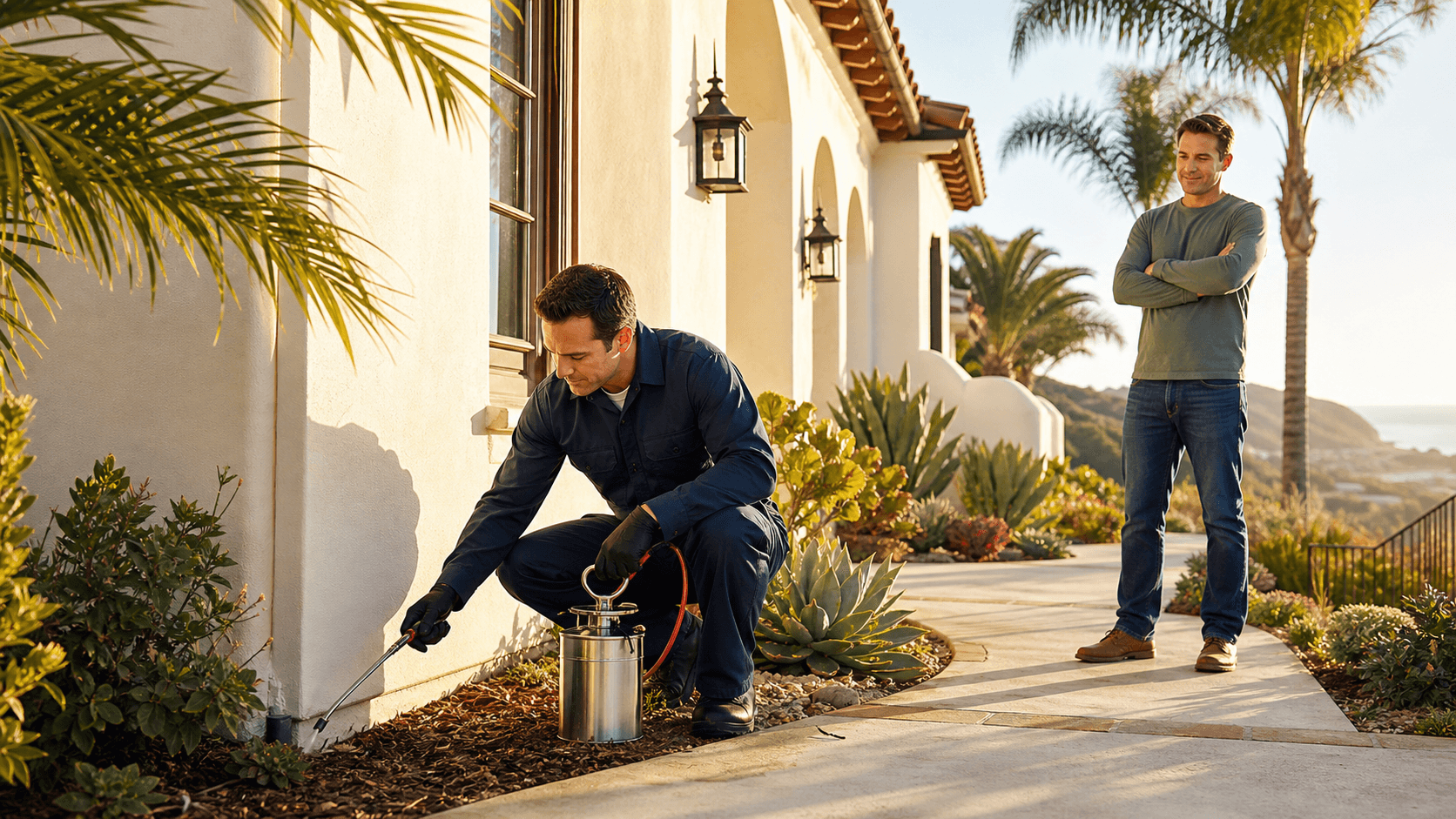
If you are starting to notice signs of gnawing, droppings, or scratching in the walls, now is the time to act before a small issue becomes a serious infestation. At Recon Pest Control, we provide targeted rodent proofing in San Clemente that focuses on sealing entry points and preventing future activity, not just treating what you can see. Reach out so we can inspect your property, explain what we find in clear terms, and recommend a plan that fits your home and budget. To schedule a visit or ask a question, simply contact us and we will follow up promptly.