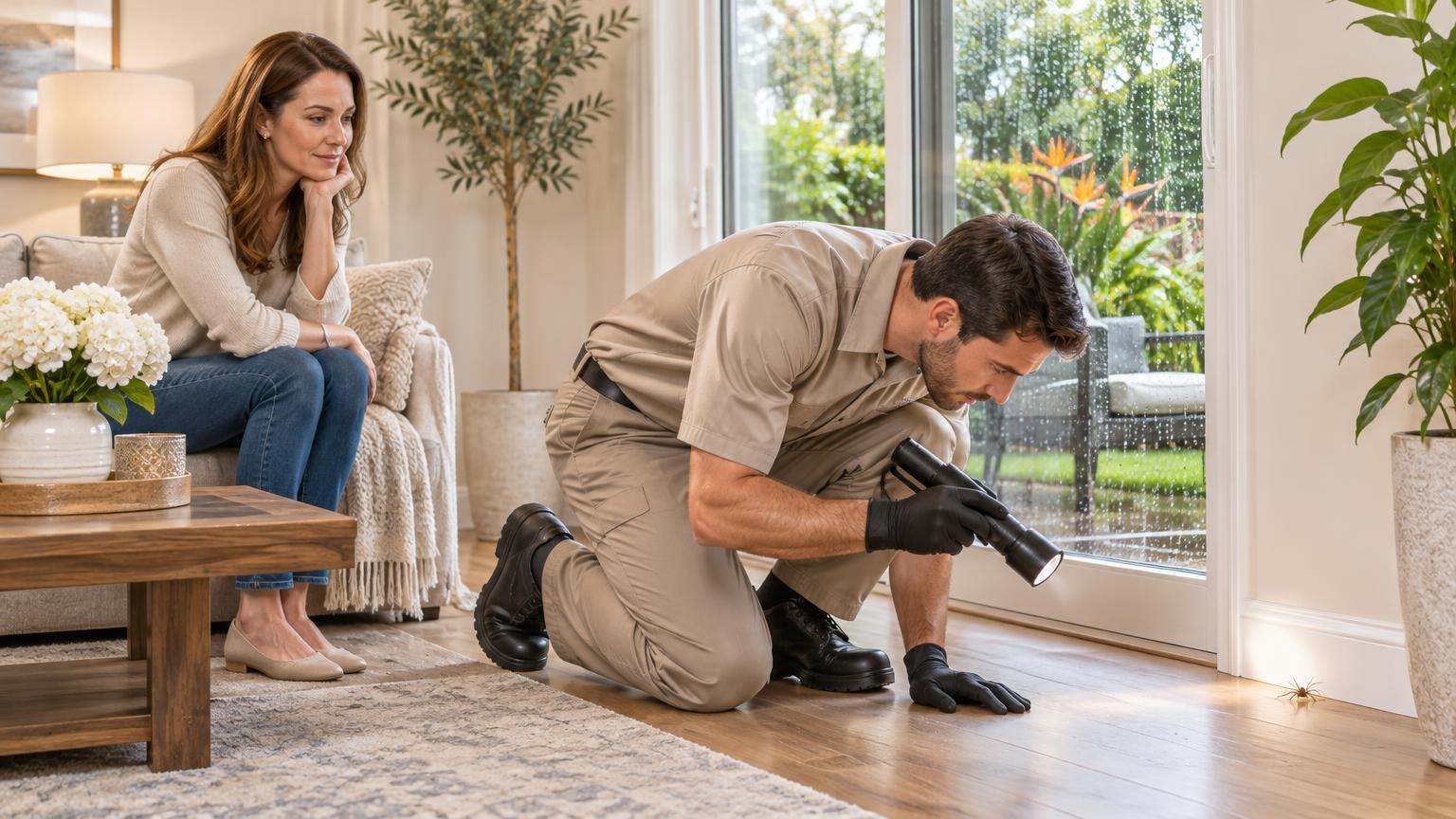
Stay Ahead of Rodents in Every Orange County Season
Rodents are not just a winter thing in coastal Orange County. In places like San Clemente, Dana Point, and Laguna Niguel, the mild weather, canyon edges, and older beach homes keep rats and mice active all year. If they can find food, water, and a sheltered spot, they are happy to move in.
This is why a simple seasonal checklist is so helpful. By walking your property a few times a year and knowing what to inspect, seal, and monitor, you can stop most rodent problems before they start. When you pair those routine checks with professional rodent control in Orange County, you get safer results for kids, pets, and your home.
Spring Reset: Post-Rain Rodent Inspection Checklist
After the winter rainy period, your first job is to see what changed around your home. Water can soften wood, erode soil, and open new gaps that rodents love.
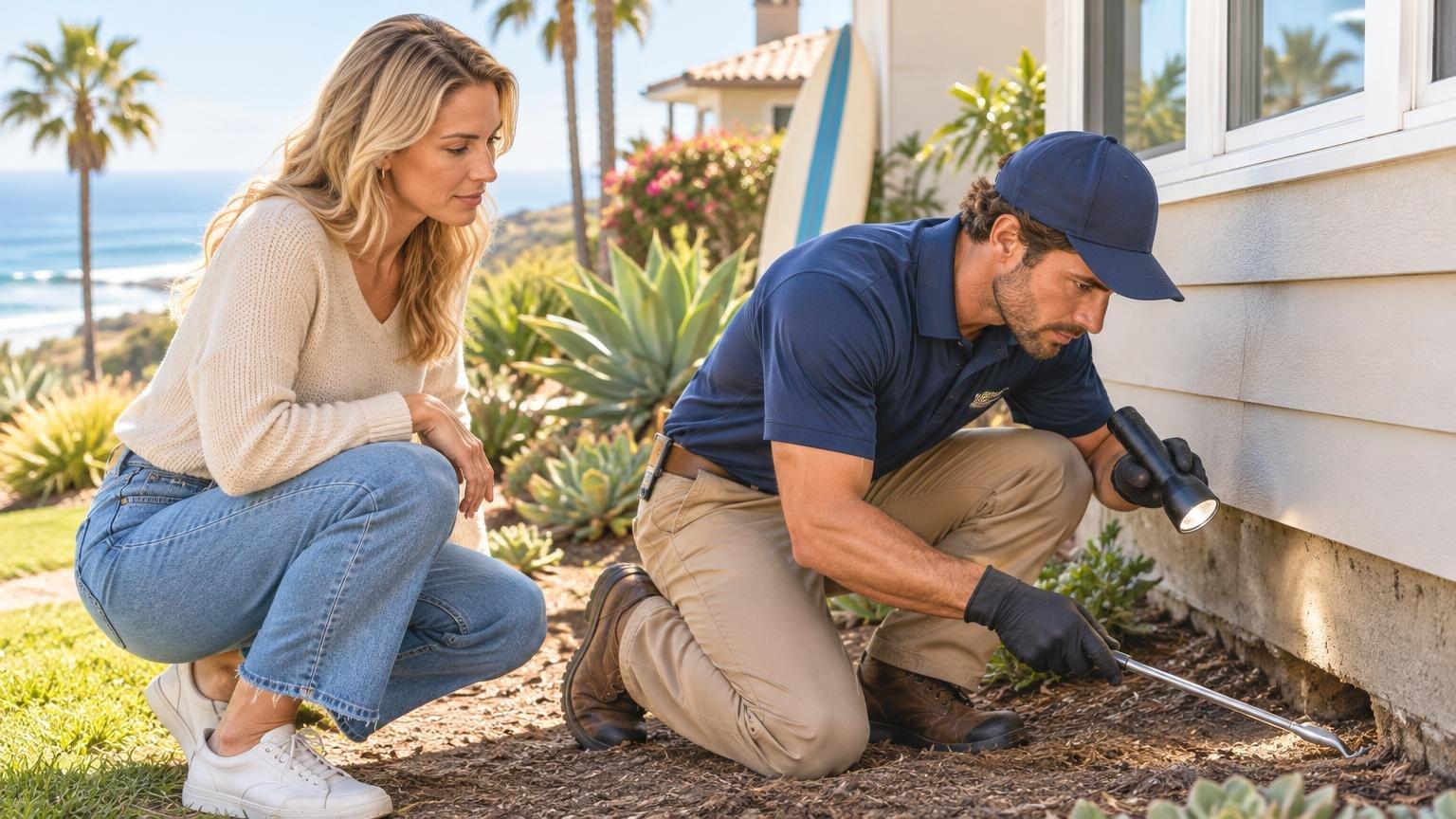
Start with a slow walk around the outside:
- Check the foundation, garage door edges, and exterior walls for new cracks or openings. Mice can use a gap the size of a dime, and rats can squeeze through one about the size of a quarter.
- Look up at rooflines, eaves, fascia boards, and attic vents for any water damage or peeling paint that might mean softened wood. Soft wood is easier for rodents to chew through.
- Scan your coastal landscaping, slopes, and planter beds for burrows near retaining walls, sheds, A/C units, and under decks.
Next, focus on sealing and repairs in the highest-risk spots. Even small fixes can block a lot of rodent traffic.
- Seal tiny gaps with steel wool packed tightly, then covered with caulk or use metal mesh for a more permanent barrier.
- Note bigger issues like rotting fascia or large cracks in stucco so they can be repaired before summer.
- Replace torn vent screens, fix warped door sweeps, and tighten loose weatherstripping that may have broken down over winter.
- Trim shrubs and tree branches away from walls and rooflines so they do not act like bridges for rats.
Spring is also a good time for a clutter reset. Rodents love hidden, quiet spots.
- Clear out junk in garages and side yards, and keep stored items off the ground and a few inches from walls.
- Rake up leaf piles and move stacked wood or unused materials that could turn into nesting spots.
- If you spot droppings, gnaw marks, or greasy rub marks on walls or baseboards while cleaning, it is a strong sign to bring in a professional for a detailed rodent inspection.
Summer Defense: Heat, Drought, and Indoor Rodent Pressure
In summer, rodents look for cooler, shaded spots with steady water and food. That means more pressure on the inside of your home.
Pay close attention to indoor "cool zones":
- Garages, attics, and shaded storage areas are top targets.
- Under-sink cabinets and laundry rooms often have pipe openings that are not fully sealed.
- Watch and listen for droppings, a sharp urine odor, scratching or scurrying in walls at night, and shredded insulation or paper.
Summer is also when food and water control really matters. In busy homes with kids and pets, crumbs and open bags are a daily challenge.
- Store pet food, grains, snacks, and baking supplies in sealed plastic or glass containers.
- Wipe counters and sweep floors often, especially around feeding areas and kids' snack spots.
- Fix leaky outdoor faucets and check irrigation for overspray that leaves standing puddles.
- Pick up fallen citrus, avocados, or other fruit quickly, and make sure trash and green waste bins have lids that close fully.
Outside, think about how rodents move across your property.
- Inspect fences, gaps under gates, and side-yard doors that might leave a clear path to back patios and sliding doors.
- Make sure crawl space vents are screened and that garage doors close tight against the ground. Adjust or repair if there is a visible gap.
- This is a smart time to consider professional, pet-safe monitoring and control so you are ready before fall migration brings more activity.
Fall Reinforcement: Coastal Rodent Migration Prep
As days get shorter and evenings darken earlier, rodents in Orange County start drifting from canyons, greenbelts, golf courses, and coastal bluffs into nearby neighborhoods. Roof rats, Norway rats, and house mice all look for warmer, safer nesting spots like attics, garages, and wall voids.
How do they get in? Common paths include rooflines and gaps under tiles, utility lines that lead straight to your roof, openings around vents, and spaces under garage and side doors. This is why fall is the most important season to check, reinforce, and seal.
Do a detailed perimeter and roofline inspection:
- Look closely where roofs intersect, around chimneys and skylights, and under raised tiles for entry points.
- Check every spot where utility lines enter, like gas, cable, and electrical, for dried or cracked caulk.
- Confirm that all foundation vents have sturdy, rodent-proof screens, such as 1/4-inch hardware cloth or smaller, firmly attached.
Then set up ongoing monitoring and safe control methods:
- Make it a habit to peek into attics and garages once a month for new droppings, shredded material, or gnawed wood or wires.
- Use kid- and pet-conscious approaches, such as secured snap traps placed inside locked boxes or professional exclusion devices that block access instead of relying on open poisons.
- If your home backs to a canyon, golf course, open field, or large greenbelt, a professional fall inspection by a local specialist in rodent control in Orange County can help you find hidden entry points you might miss.
Winter Watch: Storm-Proofing and Indoor Rodent Checks
Winter in coastal Orange County still brings rain and wind at times, and that can change your home's defenses almost overnight. After any big storm, walk the exterior to see what moved.
- Re-check rooflines, soffits, and fascia boards for gaps, lifted tiles, or loose siding.
- Look around slopes, foundations, and planter beds for collapsed burrows or fresh tunnels.
- Make sure drainage paths, downspouts, and French drains are clear so water does not erode soil next to your foundation and open new access points.
Inside, rodents will push closer to your living areas during cooler, rainy stretches. Focus on quiet, higher and lower spaces.
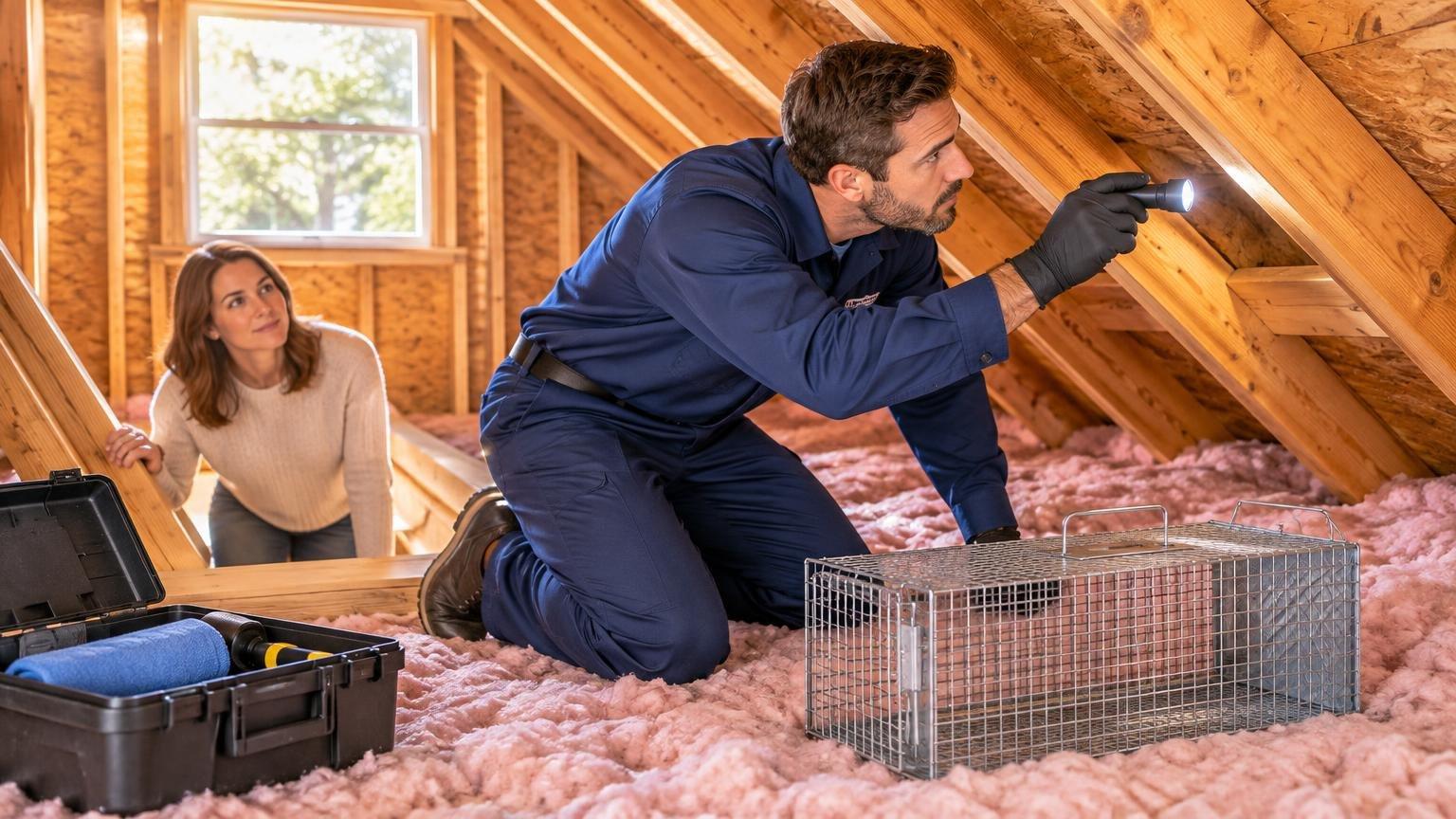
- Inspect attics with a strong flashlight for disturbed insulation, droppings on joists, and visible rodent runways. Wear gloves, a dust mask, and protective clothing.
- Check kitchens and pantries, especially behind appliances and in back cabinet corners, for droppings or gnaw marks on cardboard and plastic packaging.
- Look through garages and storage rooms where holiday décor and boxes sit untouched, since rodents like soft cardboard and fabric for nests.
If you need to clean up droppings or nesting material, do it safely.
- Do not sweep or vacuum dry droppings, since that can send particles into the air.
- Wear gloves, gently spray droppings and nesting areas with disinfectant, let them soak, then wipe and double-bag the waste.
- Open windows or doors for fresh air while you work.
DIYer efforts reach their limit when you notice strong urine odor, heavy attic damage, many entry points, or signs that traps are not slowing activity. In those cases, a professional winter service visit can handle exclusion, sanitation, and any needed attic restoration so you start spring with a clean slate.
Turn Your Seasonal Checklist Into Lasting Protection
A seasonal rodent checklist only works if it becomes a habit. Saving this list and setting simple reminders each quarter can keep your inspections under about an hour per season and keep your home far less inviting to rats and mice.
Consistent prevention is almost always easier and safer than urgent treatments after rodents have already moved into your attic or walls. For families in coastal Orange County, a mix of routine home checks and professional, kid- and pet-safe help from a local team like Recon Pest Control can give you steady protection all year.
Protect Your Home With Expert Rodent Control Today
If you are seeing signs of mice or rats, our team at Recon Pest Control - SEO is ready to help restore your peace of mind. Learn how our targeted approach to rodent control in Orange County keeps your property safer and cleaner for the long term. Reach out today to discuss your situation and schedule a convenient inspection, or contact us with any questions.