Stop Pests Before They Spread in Your San Clemente Home
Pests love San Clemente almost as much as people do. Warm weather, coastal moisture, and lush landscaping make our homes and businesses very inviting to ants, termites, rodents, and spiders, especially as late summer rolls along and days stay bright and long. The tricky part is that many of these pests do their damage quietly, in walls, attics, and crawl spaces.
That is where a professional pest inspection in San Clemente comes in. A good inspection can spot problems early, before you are dealing with chewed wires, damaged wood, or health concerns from droppings. When you understand what an inspection includes, how pricing usually works, and what add-ons are available, it gets much easier to decide when it is worth having a pro come out, and what you can do yourself in between visits.
What a Professional Pest Inspection Really Includes
A real pest inspection is more than a quick glance with a flashlight. The focus is on finding current pest activity, signs that pests were there recently, and conditions that make your property easy to invade.
Inside, inspectors usually pay close attention to:
- Kitchen and pantry areas
- Bathrooms and laundry rooms
- Garage, attic, and storage spaces
- Baseboards, window frames, and door frames
They are looking for things like droppings, webbing, chewing damage, and tiny gaps. Moisture is a big deal too, since many pests are drawn to damp spots under sinks, around water heaters, and near leaky pipes.
For common local pests, inspectors often look for:
- Ants: trails along baseboards and counters, especially near food and water sources.
- Termites: mud tubes on foundation walls, soft or blistered wood, and discarded wings near windowsills.
- Rodents: gnaw marks, greasy rub marks along walls, droppings in corners and behind appliances, and disturbed insulation.
- Spiders: webs in corners, around light fixtures, and in storage areas where other insects are active.
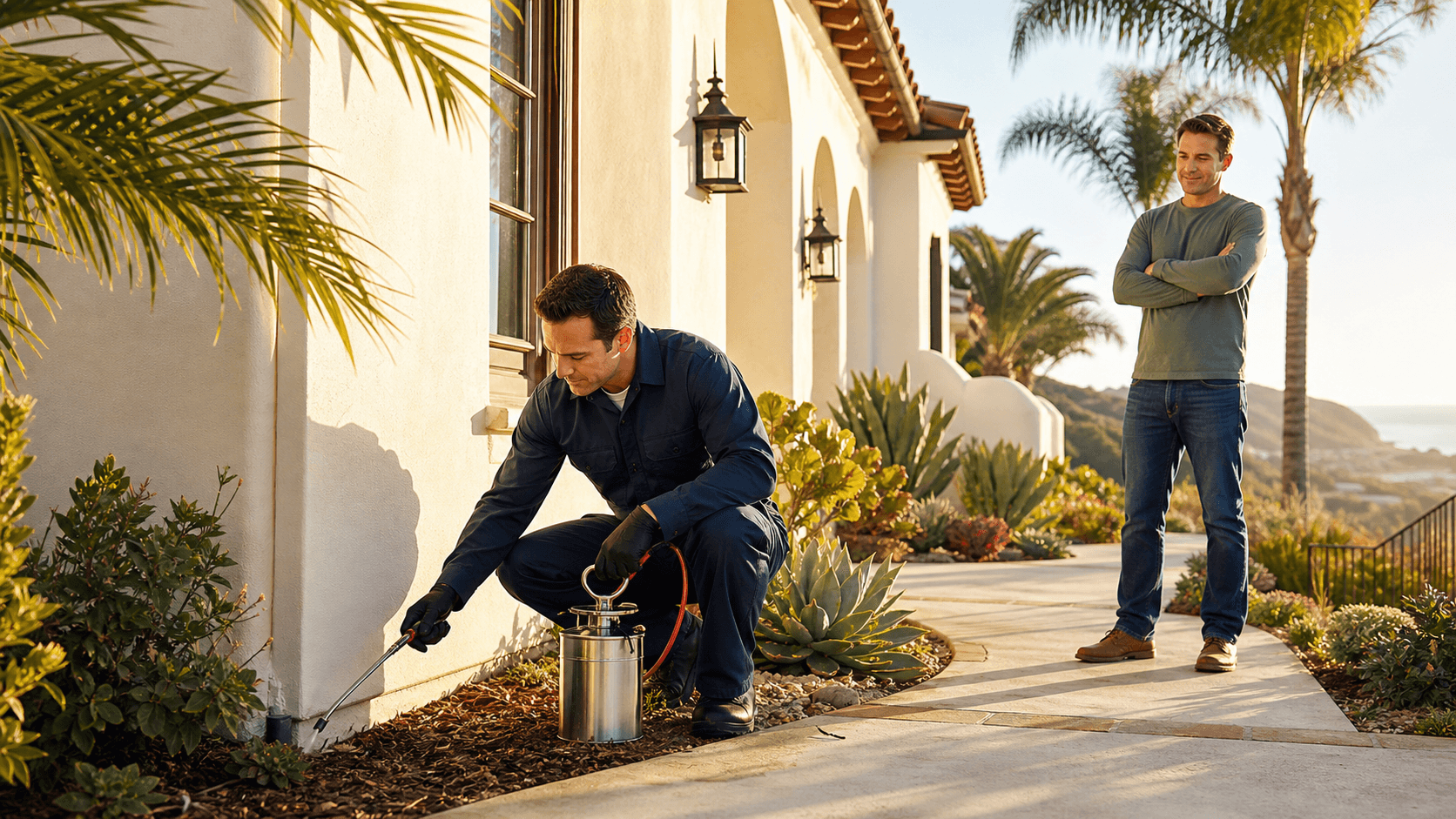
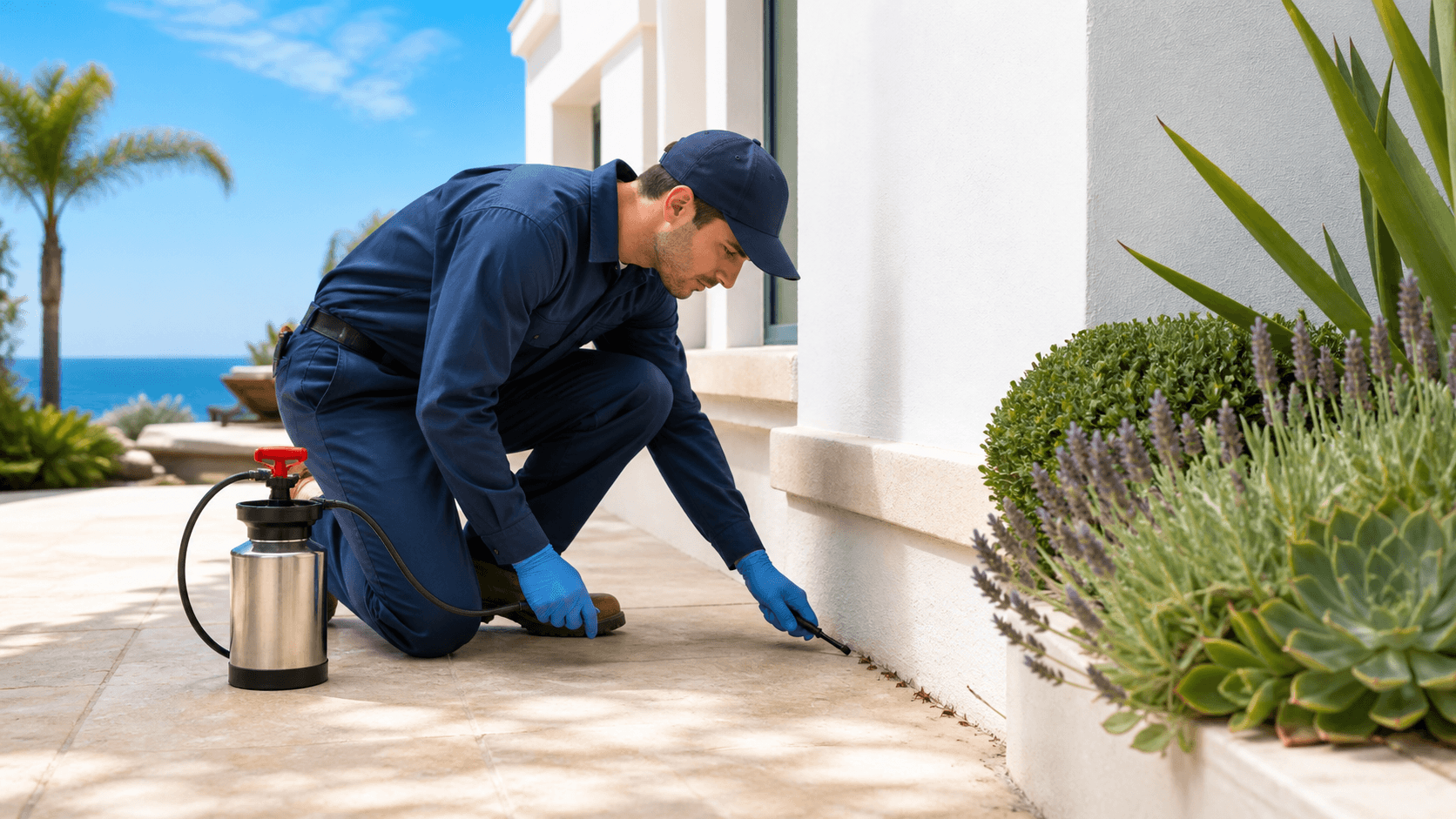
Outside, inspectors typically walk the full perimeter and note:
- Cracks around the foundation
- Gaps at doors, vents, and utility lines
- Wood that touches soil
- Heavy plants or mulch up against the structure
Coastal homes often have extra risk areas, like wooden decks, exposed beams, and shaded, moist corners that never quite dry out. All of this gives inspectors clues about what pests are present and how they might be getting in.
At the end, you should expect clear deliverables, such as:
- A verbal walk-through of what was found
- A written summary or report
- Photos of problem areas when needed
- Recommended treatment options and prevention tips
That way you are not just paying for someone to look around, you are paying for clear information you can act on, including steps you can take yourself and where professional help is most important.
Typical Cost of a Pest Inspection in San Clemente
The cost of a pest inspection in San Clemente usually depends on the type of property and the structure of the service. Condos and small homes are faster to inspect, while large single-family homes, multi-level properties, or homes with detached structures can take more time and effort.
You will commonly see a few different pricing styles:
- Flat-fee general inspections for a single visit
- Inspections that are credited back if you choose to move forward with treatment
- Inspections that are included as part of an ongoing service plan
Some factors that tend to affect the price include:
- Size and layout of the property
- Age and condition of the building
- How easy it is to reach the attic, crawl space, or roof line
- Whether this is a one-time check or part of regular maintenance
Homes with active pest activity can take longer to inspect, because the technician may spend extra time tracing entry points and checking hidden zones.
Add-On Services That Change Your Final Price
Not every type of pest check is included in a basic general inspection. Certain pests call for their own focused inspection, tools, or extra time on-site, which can change the total price.
Common add-ons include:
- Separate termite or wood-destroying organism inspection
- Rodent exclusion inspection focused on entry points and nesting areas
- Bed bug inspection for bedrooms and soft furnishings
- Follow-up monitoring visits after treatment
These add-ons can make sense in many San Clemente situations, like older homes with lots of original wood, properties with wood decks or exposed framing, and homes near canyons, greenbelts, or open fields where rodents and insects are more active.
When comparing providers, it is helpful to ask:
- Which pests are covered by the basic inspection and which require add-ons?
- Whether photos and written reports are included in the quoted price
- If inspection fees are applied to the cost of treatment when needed
Understanding these details helps you compare options fairly and choose the level of service that matches your risk and budget.
DIY Checks and Fixes Before You Call the Pros
You do not have to wait for a problem to explode before you look around. Simple, regular checks can help you catch early signs so you can decide when it is time for a professional pest inspection in San Clemente.
Inside, take a few minutes to look at:
- Under sinks in kitchens and bathrooms
- Behind and under appliances
- Garage corners, storage shelves, and attic access points
- Window sills, door frames, and baseboards
Watch for droppings, shed wings, webbing, tiny mud tubes, gnaw marks, or live insects in the same spots over and over.
When you spot early issues, basic DIY steps you can take include:
- Wiping up food spills right away and storing pantry items in sealed containers.
- Fixing small leaks under sinks and around appliances as soon as you notice moisture.
- Vacuuming up ants, spiders, and webs and wiping trails with soapy water to remove scent trails.
- Placing tight-fitting lids on indoor trash cans and taking garbage out regularly.
Outside, walk your property and note:
- Cracks in stucco or gaps at the foundation
- Openings where cables, pipes, or vents go into the wall
- Damaged screens on windows or vents
- Firewood or stacked items resting directly on the ground
- Thick shrubs, vines, or trees pressed right against the house
Helpful DIY fixes outdoors include:
- Trimming shrubs and branches so they do not touch the structure.
- Moving firewood and stored items at least a few inches off the ground and several feet away from the house.
- Replacing torn screens and adding door sweeps where you see light under exterior doors.
- Using exterior-grade caulk to seal small cracks and gaps around utility lines and along the foundation.
DIY monitoring and these simple corrections can reduce pest pressure, but some signs mean you should not wait. It is smart to bring in a pro if you are seeing frequent droppings, lines of ants that keep returning, winged insects indoors, new wood damage, or if you hear scratching or movement in the walls or attic.
When Paying for an Inspection Is Absolutely Worth It
There are times when a professional inspection moves from "nice to have" to "we should do this now." A few common high-stakes situations include:
- Buying or selling a home
- Recurring pest issues that come back after store-bought sprays
- Unexplained bites or skin irritation
- Visible wood damage around decks, trim, or eaves
In these moments, guessing is risky. Termites and other wood-damaging pests can slowly weaken key parts of your home. Rodents can chew on wiring and insulation, which can lead to safety and comfort problems. On top of that, droppings and DIY chemical use can be a concern for kids and pets if problems are not handled the right way.
Seasonal timing matters too. Late summer and early fall are a smart time for an inspection in San Clemente, since many pests start looking for steady food, water, and shelter as routines shift for back-to-school and more time indoors. Catching issues now can set you up for a smoother, quieter season with fewer surprises.
By combining regular DIY checks and basic prevention steps with a well-timed professional inspection, you get a more complete approach to protecting your San Clemente home from pests, before they spread and cause costly damage.
Schedule Your Local Pest Inspection With Confidence
Protect your home and family with a thorough pest inspection in San Clemente from Recon Pest Control. We take the time to identify what is really happening on your property so we can recommend the right solution the first time. If you are ready to address pests before they become a bigger problem, reach out today and let our team help. You can also contact us with any questions or to request an appointment.