Rodent Proofing for San Clemente Renters and Multi-Unit Homes
Rodents in a rental are more than just annoying. They carry germs, chew wires and insulation, leave strong odors, and can keep you up at night with scratching in the walls. In multi-unit buildings, one small problem in a single unit can spread fast through walls, ceilings, and shared spaces.
If you rent in San Clemente, you have to think about two things at once: keeping your home safe for kids and pets, and staying within your lease and local rules. Some steps are fine to handle on your own. Other work must be done by a landlord or HOA, and often needs a professional. We will walk through what you can do, what you should not do, and how to push for real rodent proofing in San Clemente buildings.
Why Rodents Love San Clemente Rentals
San Clemente is beautiful, but rodents love it for many of the same reasons people do. The coastal climate lets them stay active all year. Many buildings have older construction, crawlspaces, or open eaves that give rodents plenty of hiding spots. When you add shared walls and under-building parking areas, it becomes easy for rodents to move around without being seen.
A few local risk factors that make rentals and multi-unit homes more attractive to rodents include:
- Dense bushes and ivy right against buildings
- Under-building parking garages and storage cages
- Nearby canyons, open space, or train tracks
- Clay tiles, vents, and rooflines with small gaps
Late summer and early fall are big pressure times. Heat and dry conditions push rodents toward cooler, food-rich structures. As daylight hours start to shorten, rodents often look for stable shelter and settled nesting spots. Then you get the classic "move-in" behavior, where they explore attics, wall voids, and garage clutter.
Multi-unit properties often have hidden paths rodents love. These are the kinds of connected areas that let rodents travel between units and common spaces without crossing open rooms where people might spot them. Common examples include utility chases between units, shared laundry rooms and storage areas, rooflines with missing screens or loose tiles, and trash enclosures with gaps or open lids.
Those weak points are hard for a single renter to control, which is why rodent proofing in San Clemente complexes needs both renter habits and owner action.
What Renters Can Safely Do Inside Their Unit
There is a lot you can do inside your own space without breaking your lease or putting anyone at risk. The goal is to make your unit boring for rodents: no easy food, no comfy nesting spots, and fewer ways to slip inside.
Lease-friendly prevention steps include:
- Adding door sweeps on interior doors you control
- Using removable materials like foam backer rod or temporary caulk around under-sink pipes and baseboards inside your unit
- Using trash cans with tight-fitting lids and taking trash out often
- Wiping crumbs, pet food, and spills quickly, especially at night
You can also use simple, kid- and pet-conscious deterrents in areas you control. Focus on limiting access to food and shelter while using methods that prevent accidental contact by kids and pets. That includes securing food in sealed plastic or glass containers, decluttering closets, under-bed, and indoor storage to remove nesting spots, using snap traps inside tamper-resistant boxes where kids and pets cannot access them, and checking under sinks, inside pantry corners, and behind appliances for early signs of activity.
There is a hard stop point for renters. Some actions are unsafe, can cause damage, may violate your lease, and can also spread risk to neighbors, kids, and pets in other units. You should not:
- Cut into walls, baseboards, stucco, or exterior siding
- Go onto the roof or into shared attic spaces
- Place loose poison baits or bait blocks around your unit
- Seal large exterior gaps or vents that affect the building envelope
What Landlords and HOAs Must Handle
In California, landlords are generally responsible for keeping rentals habitable and safe. That usually includes dealing with rodents that come from building defects, shared spaces, or outside areas that tenants cannot control. HOAs often have similar duties for common areas and building structures.
Things that usually fall under landlord or HOA responsibility include:
- Fixing structural entry points in walls, roofs, and foundations
- Closing gaps around exterior utility lines and vents
- Addressing rodents in shared attics, crawlspaces, and roof voids
- Treating and maintaining common areas like laundry rooms, storage rooms, and hallways
For multi-unit homes in San Clemente, the "building envelope" matters. This is the overall shell of the building. Landlords and HOAs typically control parking garages and carports, trash and recycling enclosures, shared laundry rooms, storage, and mail rooms, and utility chases that run between units.
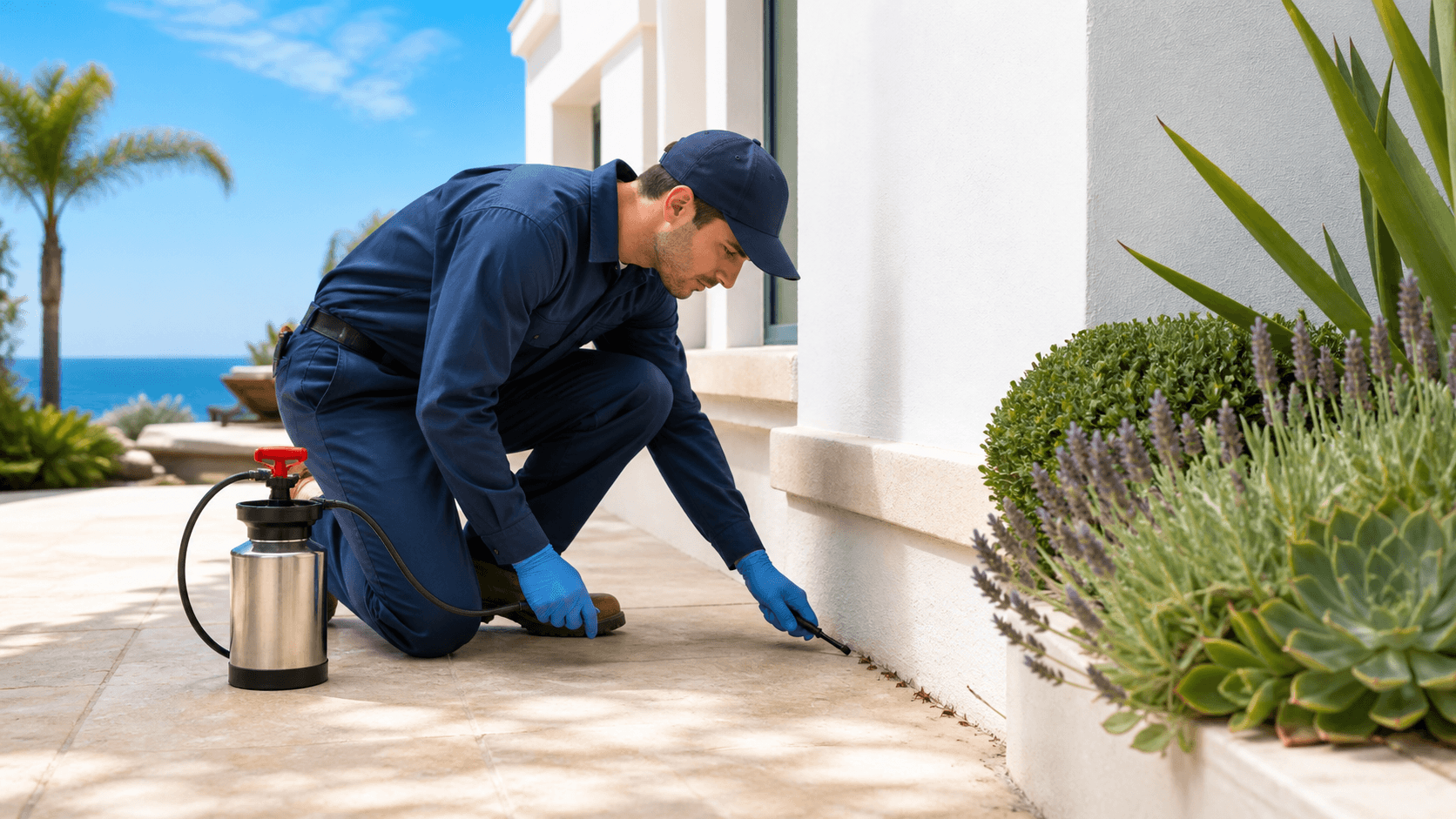
Rodent issues in these areas usually need a building-wide plan, such as full inspections, mapping entry points, and exclusion work from the outside. Only owners or management can approve that type of project and keep it maintained long term.
How to Document and Report Rodent Issues
Good documentation makes it easier for landlords and HOAs to act. It also shows that the problem is not just a one-time sighting.
Common signs to watch for include:
- Droppings in cabinets, behind appliances, or along walls
- Gnawed food packaging or chewed plastic, cardboard, or wires
- Oily rub marks along baseboards or low pipes
- Scratching or rustling in walls or ceilings, mostly at night
- Pets staring at walls, sniffing under stoves, or acting on edge
- Strong, foul odors that do not go away with normal cleaning
When you report issues, the goal is to make it easy for management to understand what is happening and how widespread it may be. Try to include where you see or hear activity (as specific as possible), how long it has been happening and how often, any photos or short videos of droppings, damage, or rodents, and simple steps you already took, like securing food or using covered trash cans.
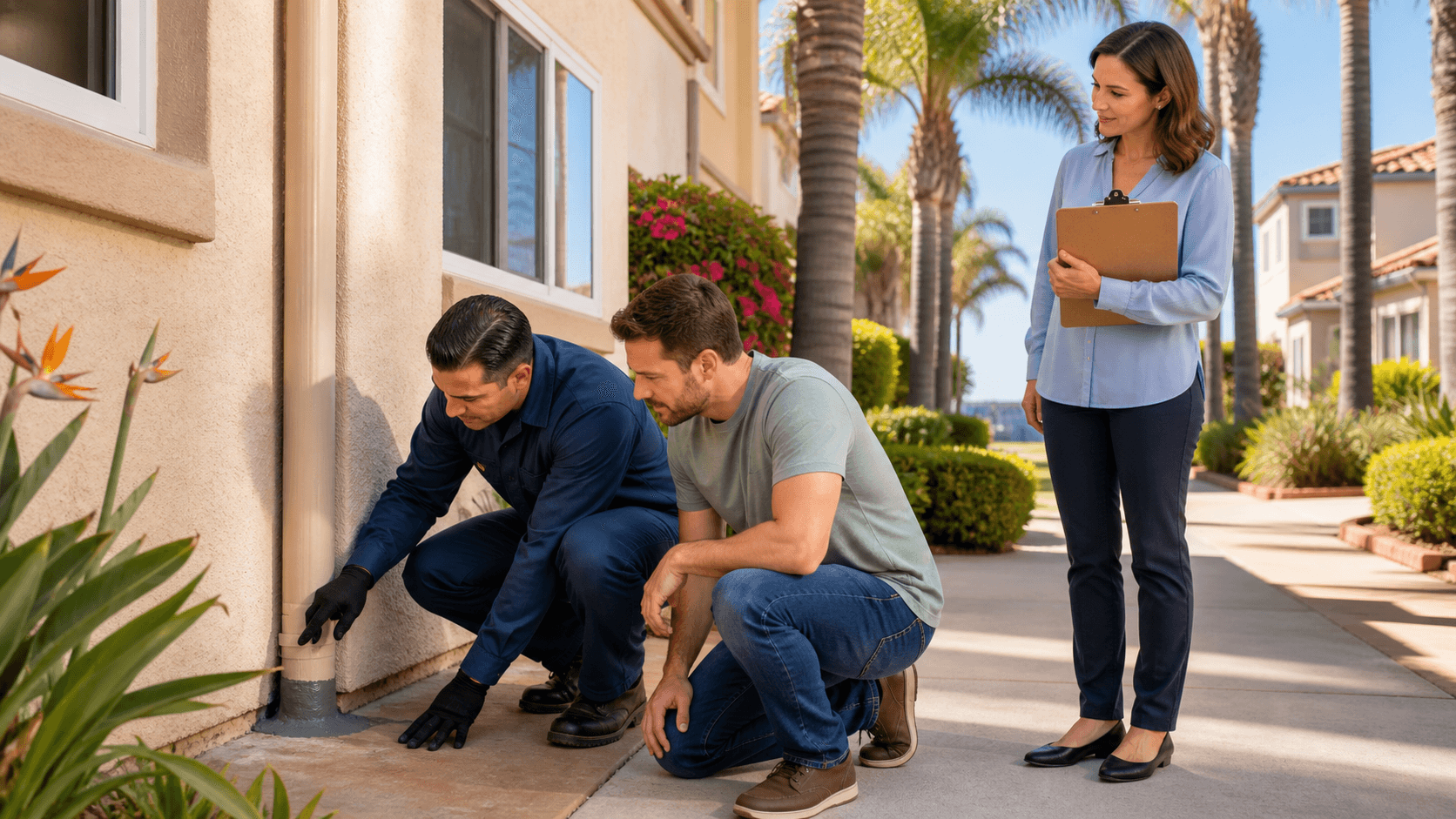
If you keep seeing fresh droppings, smell strong odors, or notice activity in common areas, that is a sign you need professional inspection and treatment. At that point, renters can ask landlords or HOAs to bring in a licensed pest control company that understands rodent proofing in San Clemente and local building styles.
Balconies, Garages, and Shared Space Habits
Balconies, patios, and small storage closets can quietly turn into rodent hotels if they are stacked with cardboard and soft items. The good news is, you have a lot of control over how inviting these areas feel to rodents.
For balconies and patios, keep the space clean and easy to inspect. Reduce clutter and avoid big piles of cardboard or bags. Store items in plastic bins with tight lids, not open boxes. Keep pet food, bird seed, and outdoor snacks sealed and indoors at night. Also check for spots where leaves and debris build up and clear them often.
For garages and carports, the key is cutting down hiding spots and overnight food sources. Use lidded storage bins and keep them a few inches off the floor. Avoid leaving pet food, open trash, or drink containers out overnight. If allowed, use an interior garage door sweep to limit gaps where the door meets the floor. Keep stored items away from corners and walls so rodents have fewer hidden paths.
Shared spaces are a team effort. Even careful renters can get rodents if neighbors leave trash lids open or stack junk in common walkways. It helps when everyone follows a few basic habits:
- Close lids on trash and recycling
- Break down boxes and do not leave piles by the bins
- Avoid feeding wildlife near buildings
- Report burrows, droppings, or rodent sightings in common areas quickly
When It's Time for Professional Rodent Help
Some rodent issues simply outgrow what a renter can handle on their own. You might be doing everything right, but still hear scratching, smell odors, or see activity in more than one part of the building. That is usually a sign that rodents are active in walls, attics, crawlspaces, or shared utility areas.
Warning signs of a bigger infestation include:
- Multiple units in the building reporting problems
- Rodents seen in daylight, especially in common areas
- Fresh droppings reappearing after basic cleaning and trapping
- Evidence of gnawing on building materials, pipes, or wires
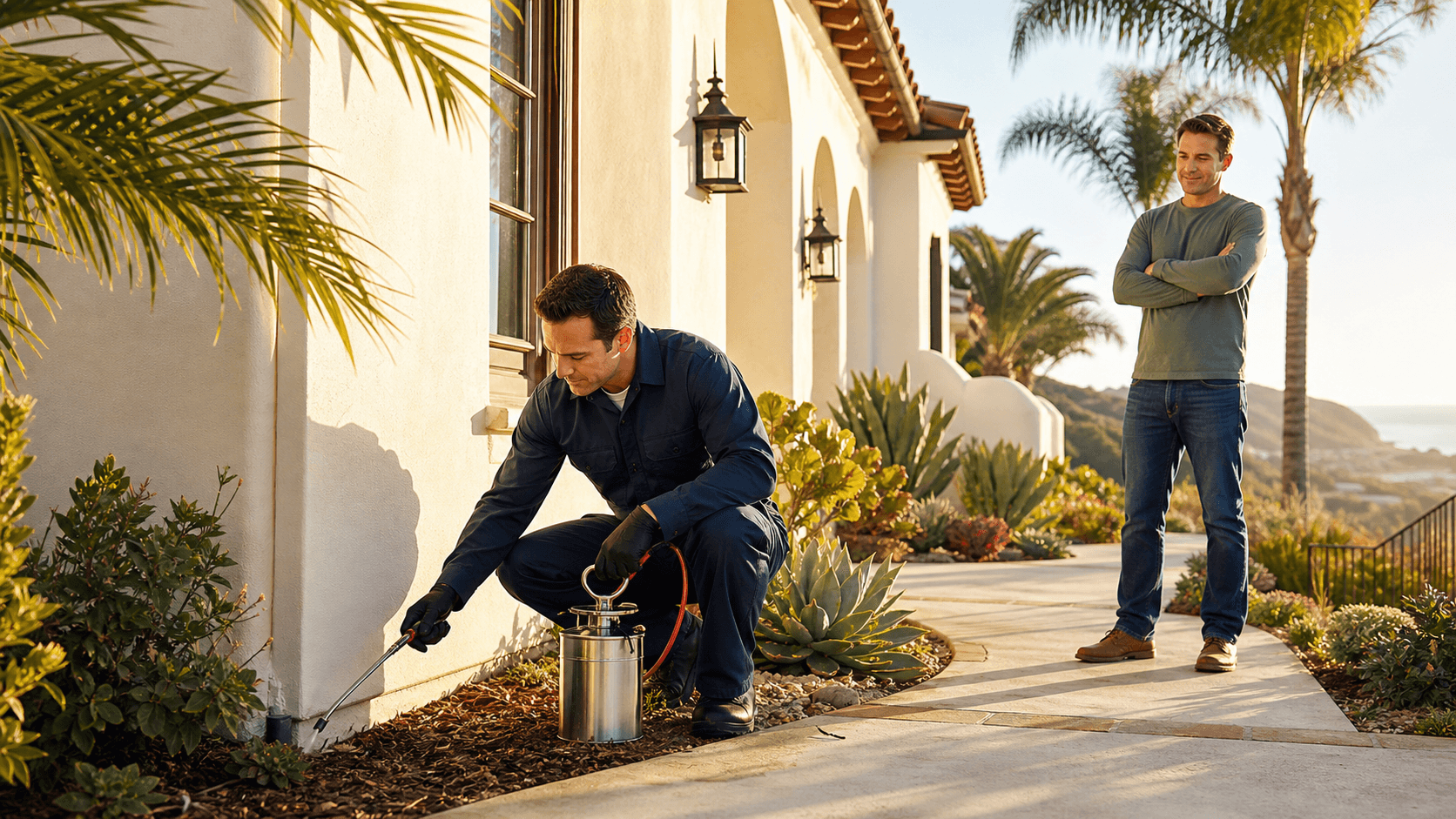
At that stage, landlords and HOAs usually need help from a licensed pest control company. A good team will perform a detailed inspection, look at how the whole property is built, and create a plan that uses kid- and pet-safe methods while focusing on long-term exclusion, not just quick fixes. For renters, the most helpful step is often to stay organized, keep documenting what you see, and share clear information with property management so they understand the problem is bigger than one trap in one kitchen.
Protect Your San Clemente Home From Rodents Today
If you are seeing signs of gnawing, droppings, or scratching in the walls, our team at Recon Pest Control is ready to help you stop rodents before they cause costly damage. We provide comprehensive rodent proofing in San Clemente tailored to your home's vulnerabilities, from entry point sealing to smart prevention strategies. Reach out today and let us inspect your property, explain what we find, and recommend the right next steps. To schedule an appointment or ask questions, simply contact us.