Stop Rodents Turning Your Garage Into Winter Housing
Rats and mice love garages and sheds in San Clemente. The spaces are quiet, often dark, and packed with food, fabrics, and cardboard that make perfect nesting areas. As fall brings shorter days and holiday storage, many homeowners start stacking extra food, décor, and boxes in the garage, then shut the door and forget about it. Rodents see that as an open invite.
This is also the time of year when garages are used less in the evenings, which gives rodents more quiet time to explore. That can lead to real problems, like chewed car wiring, damaged keepsakes, and dirty droppings near things your family touches all the time. In this guide, we will walk through smart storage by material, plus cleanup steps that help long-term rat control in San Clemente garages and sheds.
Here are a few of the biggest risks when rodents move in:
- Chewed car wiring and hoses
- Contaminated pet food, bird seed, and lawn seed
- Fire hazards from shredded cardboard and insulation
- Health concerns from droppings, urine, and nesting material
Read the Signs: Is Your Garage Already a Rodent Zone?
First, you need to know if rats or mice are already using your space. Droppings are usually the easiest sign to spot.
- Mouse droppings: small, like black grains of rice, with pointed ends
- Rat droppings: larger, more like small black pellets, often blunt on the ends
You might also see:
- Gnaw marks on bags, boxes, or wiring
- Shredded paper, fabric, or insulation tucked into corners or boxes
- Greasy rub marks along baseboards or rafters where bodies brush the same paths
- Little tracks or tail lines in dusty areas
Sound and smell clues matter too. Scratching or light scurrying behind stacked items or in the ceiling at night is a common sign. A sharp, ammonia-like odor often means rodent urine. A sour or rotten food smell can mean a hoard of pet food or nuts tucked into a wall void or storage box.
DIY might be OK if:
- You see only a few old droppings in one area
- There are no fresh chew marks or new messes after you clean.
But it is time to bring in a pro if:
- Droppings are spread through the garage or shed
- You see rodents in the daytime
- Vehicle wiring is chewed or your car dashboard lights are suddenly acting odd
- Rodents are getting into your living space, laundry room, or attic
Rodent-Proof Storage: Bins, Bags, and Boxes That Work
The way you store things in the garage has a huge impact on rodent activity. Cardboard boxes and thin plastic bags are basically snack wrappers to rats. They chew through them fast, then nest inside.
Better options include:
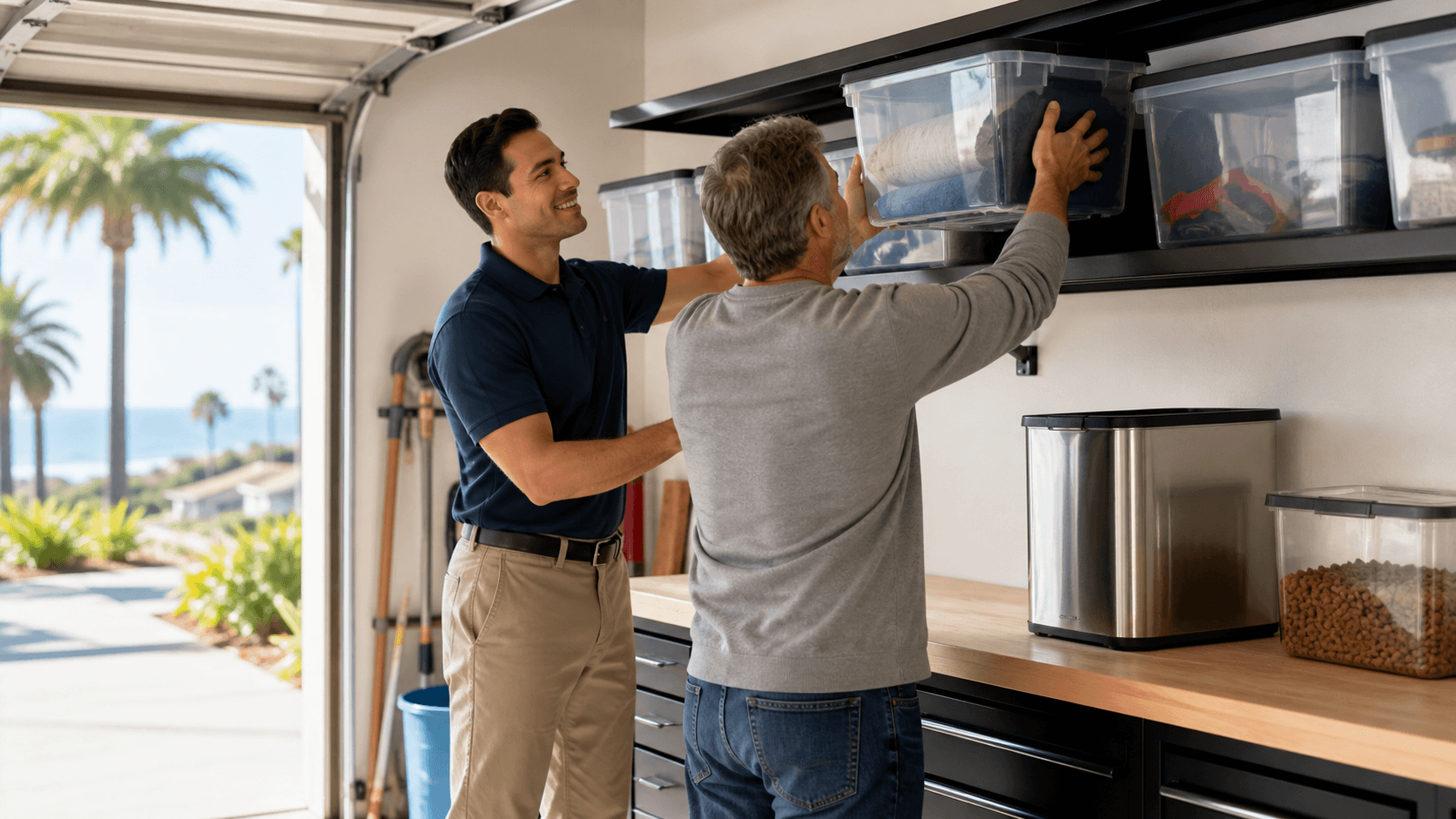
- Thick plastic totes with tight, locking lids
- Metal cans with snug lids for bulk food or seed
- Glass jars with screw-on lids for smaller, high-value items
We recommend using heavy plastic bins with locking handles for:
- Pet food and treats
- Bird seed and lawn or grass seed
- Camping food and snacks
- Pantry overflow like rice, flour, or sugar
- Absorbent items like paper towels or napkins
For big bags of feed or seed, metal trash cans with tight lids work very well. Glass jars are handy for small treats, specialty seeds, or baking supplies that might end up in a garage pantry shelf. Label and date every container so you can rotate older items to the front and spot anything that looks off or chewed.
Smart placement also makes a big difference:
- Keep bins at least 6 inches off the floor
- Leave 1 to 2 inches of space between bins and the wall
- Do not overstuff shelves to the point you cannot see behind items
- Keep a clear "inspection lane" all around the garage and shed walls
These small habits make rat control in San Clemente homes faster and more effective because it is easier to see new droppings or gnaw marks early.
Securing Pet Food, Bird Seed, and Seasonal Supplies
Pet food is one of the top reasons rodents move into a garage. Many people pour a big bag of kibble into a bin, leave the torn bag inside, then scoop as needed. Rodents smell that from far away.
Safer pet food habits:
- Do not leave bowls of pet food out in the garage overnight
- Transfer dry kibble and treats right into rodent-resistant containers
- Use bins with real seals, not loose lids that can be nudged open
- Check around food containers weekly for droppings or chew marks
Bird seed and outdoor feed can also be a magnet. Store them in:
- Metal cans with tight lids
- Heavy-duty plastic bins that latch shut
Keep all bags on shelves, never on the floor, and sweep up spilled seed often. When you feed birds, remember that any seed and shells around your garage door or patio can attract rodents, so regular sweeping is key.
Seasonal and holiday items matter too. Cardboard boxes full of fabric, décor, or candles are basically pre-built rat condos.
Try this instead:
- Use sealed plastic totes for holiday décor, camping gear, and textiles
- Avoid storing scented candles, edible décor, and boxed food gifts in cardboard
- Add a quick pre-holiday garage check every November to look for droppings, nests, or chewed boxes before you bring in more décor and food
Safe Rodent Cleanup and Decontamination Protocols
Once you find signs of rodents, safe cleanup is very important. You do not want to stir up dust from droppings or nesting material.
Before you start:
- Put on disposable gloves
- Wear a mask, and eye protection if you have it
- Open the garage or shed doors and windows for at least 30 minutes for fresh air
Never sweep or vacuum dry droppings. That can push tiny particles into the air. Instead:
- Mix or use a disinfectant or a bleach solution as directed on the label.
- Gently spray droppings, urine spots, and nesting materials until damp.
- Let it soak for several minutes.
- Wipe everything up with disposable towels.
- Seal the waste, towels, and gloves in a trash bag before tossing it out.
After removal, do a deeper clean:
- Mop floors and wipe shelves and lower walls with a disinfecting cleaner
- Wash fabrics on a hot cycle if they can be laundered
- Throw away heavily soiled cardboard, insulation, or anything that cannot be properly cleaned
If you find heavy contamination across a wide area, or if the smell is strong even after basic cleaning, it is safer to have a professional rodent cleanup team handle the deeper decontamination.
Block Reentry and Remove Rodent Incentives
Storage and cleaning only go so far if new rodents can walk right back in. Sealing entry points is a big part of long-term rat control in San Clemente.
Use an exterior checklist:
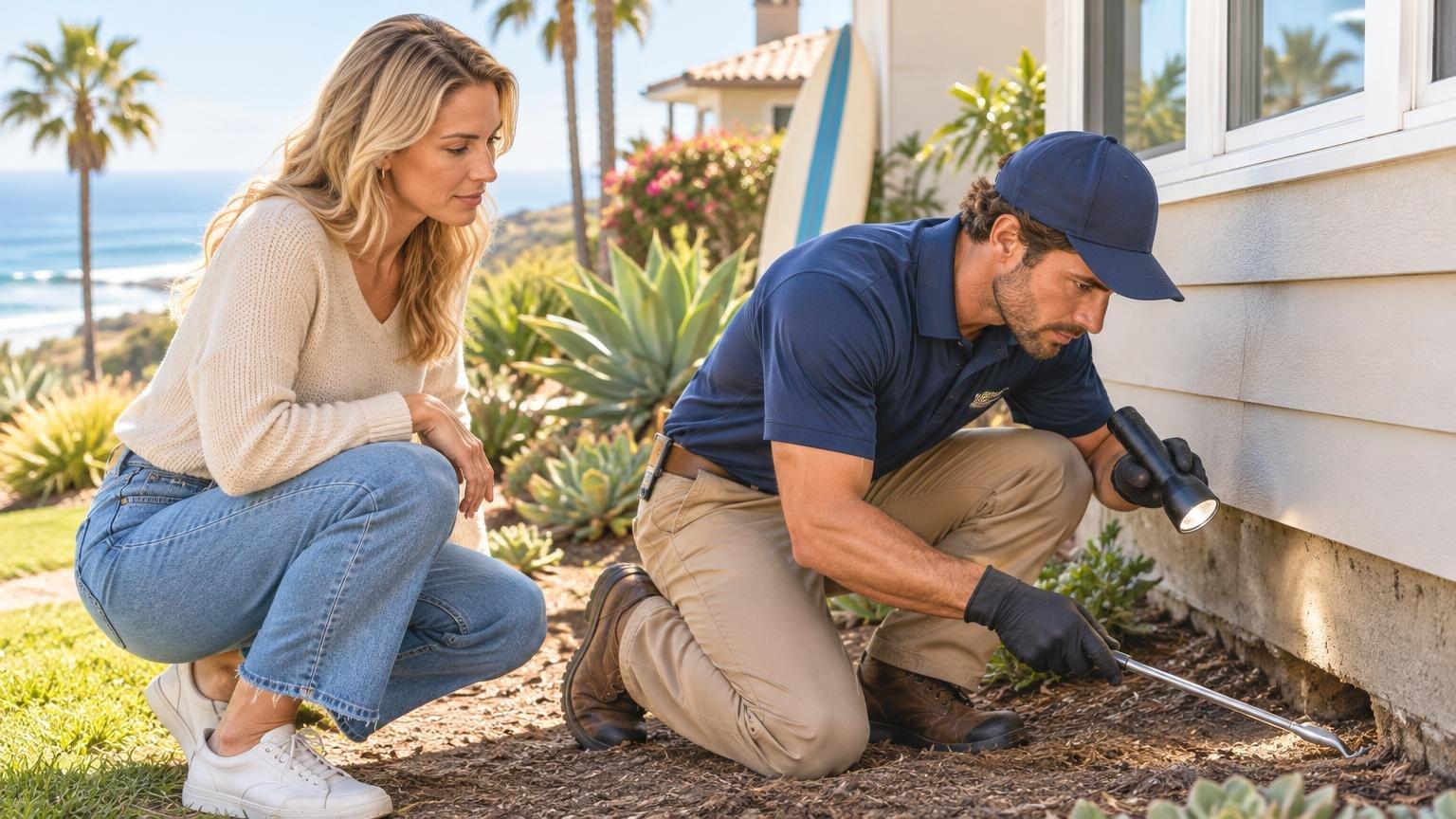
- Check the bottom seal and sides of the garage door for gaps
- Look around utility lines, pipes, and vents where they enter the walls
- Inspect siding joints, door frames, and window frames
- Seal holes with a mix of steel wool, metal flashing, and exterior-grade caulk
Remember, rats can squeeze through a hole about the size of a quarter, and mice can fit through even smaller gaps.
Inside, keep up habits that make your garage less inviting:
- Keep floors as clear as you reasonably can
- Use trash and recycling cans with tight-fitting lids
- Do not leave pet water bowls out in the garage overnight
- Fix leaking water heaters, washers, and utility sinks quickly
You can also use simple monitoring tools, like:
- Non-toxic monitoring blocks along walls and in hidden corners
- Tracking pads on shelves or behind stored items to catch footprints
Plan a short "rodent audit" every few months. Walk the perimeter, open a few bins, check corners and rafters, and look at the areas around pet food, bird seed, and stored décor. Catching activity early makes control easier and keeps your garage and shed safer for your family.
Protect Your Home With Effective Rodent Solutions
If you are seeing signs of rodents, now is the time to act before a small issue turns into a major infestation. At Recon Pest Control - SEO, we provide targeted rat control in San Clemente designed to quickly remove rats and help prevent them from coming back. Our team will inspect your property, explain your options, and tailor a plan that fits your home and family. To schedule service or ask questions, simply contact us today.