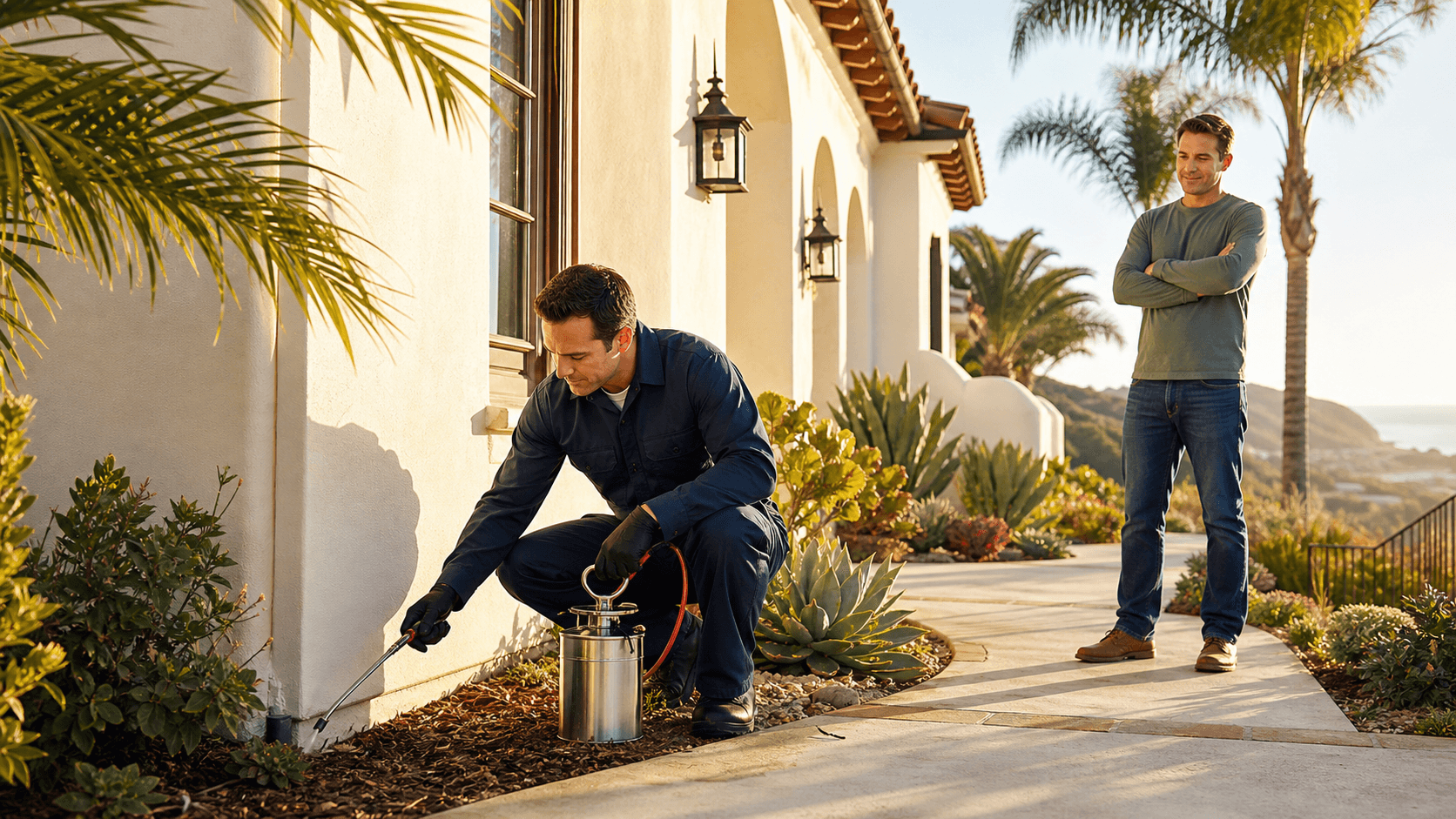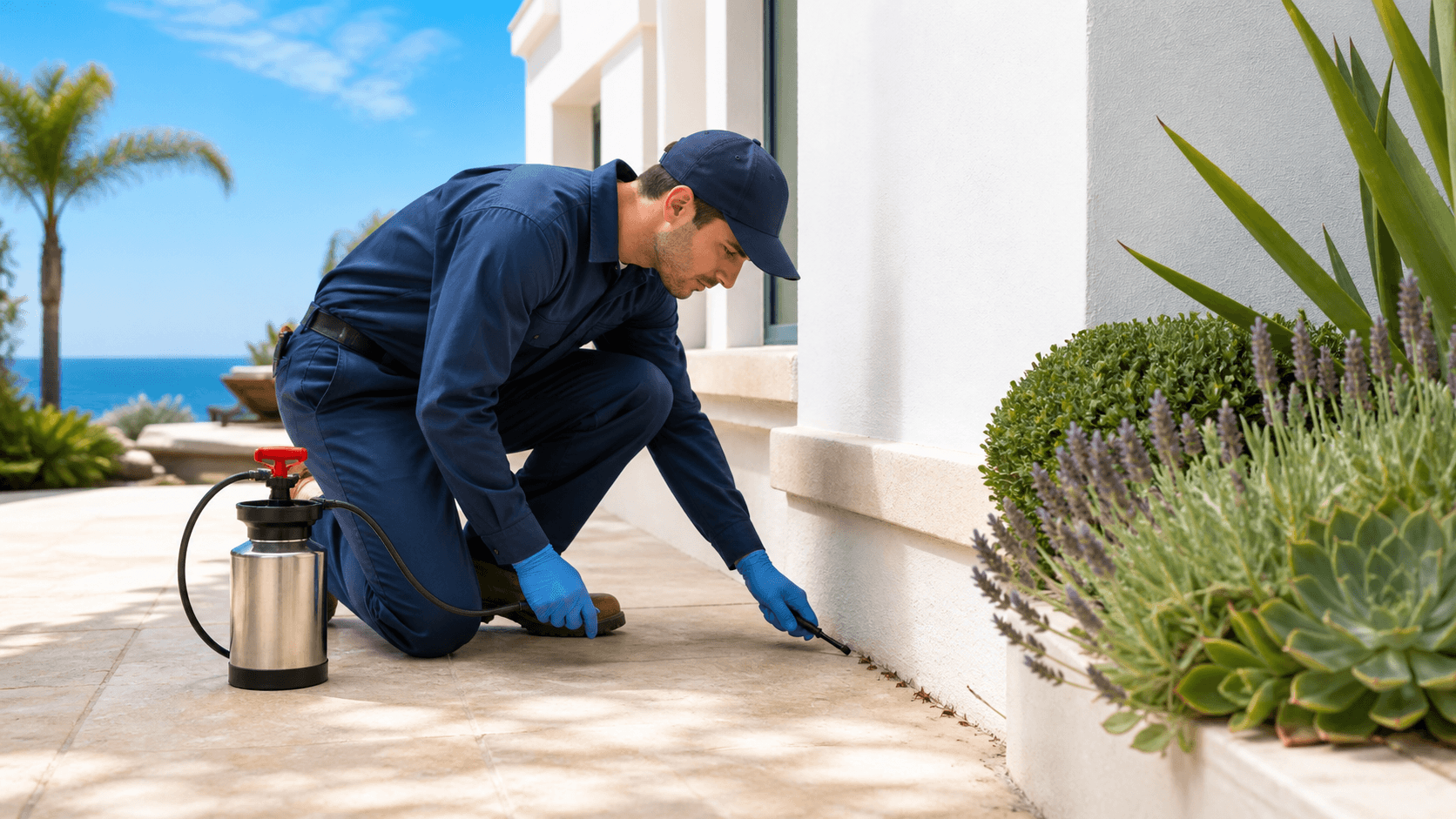
Understanding Rodent Control in Orange County's Coastal Homes
Rodents love Orange County's coastal neighborhoods almost as much as we do. The mix of mild weather, lush yards, and cozy homes creates a perfect place for rats and mice to live, nest, and search for food. When they move in, they can damage your home, spread germs, and stress everyone out.
We will walk through why coastal homes attract rodents, which species you are most likely to see, early warning signs to watch for, and smart DIY steps to lower your risk. We will also talk about safe control options for families with kids and pets, and when it is time to bring in a local professional for rodent control in Orange County.
Why Coastal Orange County Homes Attract Rodents
Rodent control in Orange County is a year-round job. Our coastal areas do not get harsh weather that drives rodents deep underground. Instead, they stay active and comfortable all year, with late summer being a prime season as they start looking for steady food and shelter before fall.
Several local factors make our area very attractive to rodents, including mild temperatures that stay comfortable in every season, lush landscaping (especially fruit trees and dense shrubs) that provide food and cover, and nearby canyons, greenbelts, golf courses, and drainage channels that act like rodent highways.
Many common home features also help rodents find a way inside or create nesting spots without us realizing it. Around coastal Orange County, we often see:
- Stucco exteriors that can crack around pipes and vents
- Spanish tile roofs that leave gaps where rats can nest along the roofline
- Raised decks and patios that create hidden space underneath
- Older beach cottages with worn vents, loose siding, and weathered doors
When you add pet food on patios, open trash, and outdoor kitchens used heavily in late summer, it is easy to see why rodents keep coming back.
Common Rodent Species Around Orange County Beaches
Not all rodents act the same. Knowing which type you are dealing with helps you choose the right control plan and find their entry points more quickly.
Around coastal Orange County, homeowners usually see three main types:
- Roof rats: These are agile climbers. They like attics, trees, garages, and high spaces. You might see them running along fences, block walls, rooflines, or power lines at dusk.
- Norway rats: These are bigger and stockier. They prefer ground-level spots like under slabs, near foundations, in crawl spaces, or behind retaining walls. Look for burrows and holes at ground level.
- House mice: Small and curious, mice often live in garages, inside stored boxes, behind appliances, or in tight wall spaces.
Each species leaves slightly different clues. Roof rats are more likely to cause scratching in ceilings, leave droppings in attics or garage rafters, and target fruit trees (often leaving fruit with gnaw marks under trees). Norway rats more often create new holes in soil near foundations, gnaw near ground-level pipes, and form heavy foot-traffic paths along walls. House mice typically leave tiny droppings, make small gnaw marks on food packaging, and create rustling sounds in cabinets.
Species matters because:
- Entry points are different for climbers vs burrowers
- Food preferences can affect trap and bait choice
- Trapping locations need to match their habits and normal travel paths
Early Warning Signs You May Have a Rodent Problem
Rodent problems often start small. Catching early signs can stop a minor issue from turning into an infestation that spreads through your home.
Inside, watch and listen for:
- Scratching or light thumping in walls or ceilings, mostly at night
- Musty or ammonia-like odors in closets, pantries, or laundry rooms
- Droppings in cabinets, under sinks, in garages, or near pet food bowls
- Chewed food boxes or bags, especially in pantries and garages
- Gnawed wiring, plastic, or stored items
Outside, pay attention to:
- Gnawed gaps around garage doors or side doors
- New holes near slabs, foundations, or under decks
- Greasy rub marks on walls, fence tops, or roof edges where rodents squeeze through
- Disturbed insulation or shredded debris in sheds, storage bins, or under patio furniture
For local families, the health and safety risk can feel personal. Rodents can contaminate stored beach gear like coolers and towels in the garage, BBQ areas and outdoor kitchens (plus bar carts) that get heavy use in late summer, and patio storage benches holding cushions, blankets, and kids' toys.
If you spot more than one or two of these signs, it is time to take action.
DIY Rodent Prevention Steps for Coastal Homes
Prevention is one of the best tools for rodent control in Orange County. A simple weekend inspection can help you find and fix many easy access points before rodents get inside.
Try this quick checklist around dusk, when it is easier to spot movement:
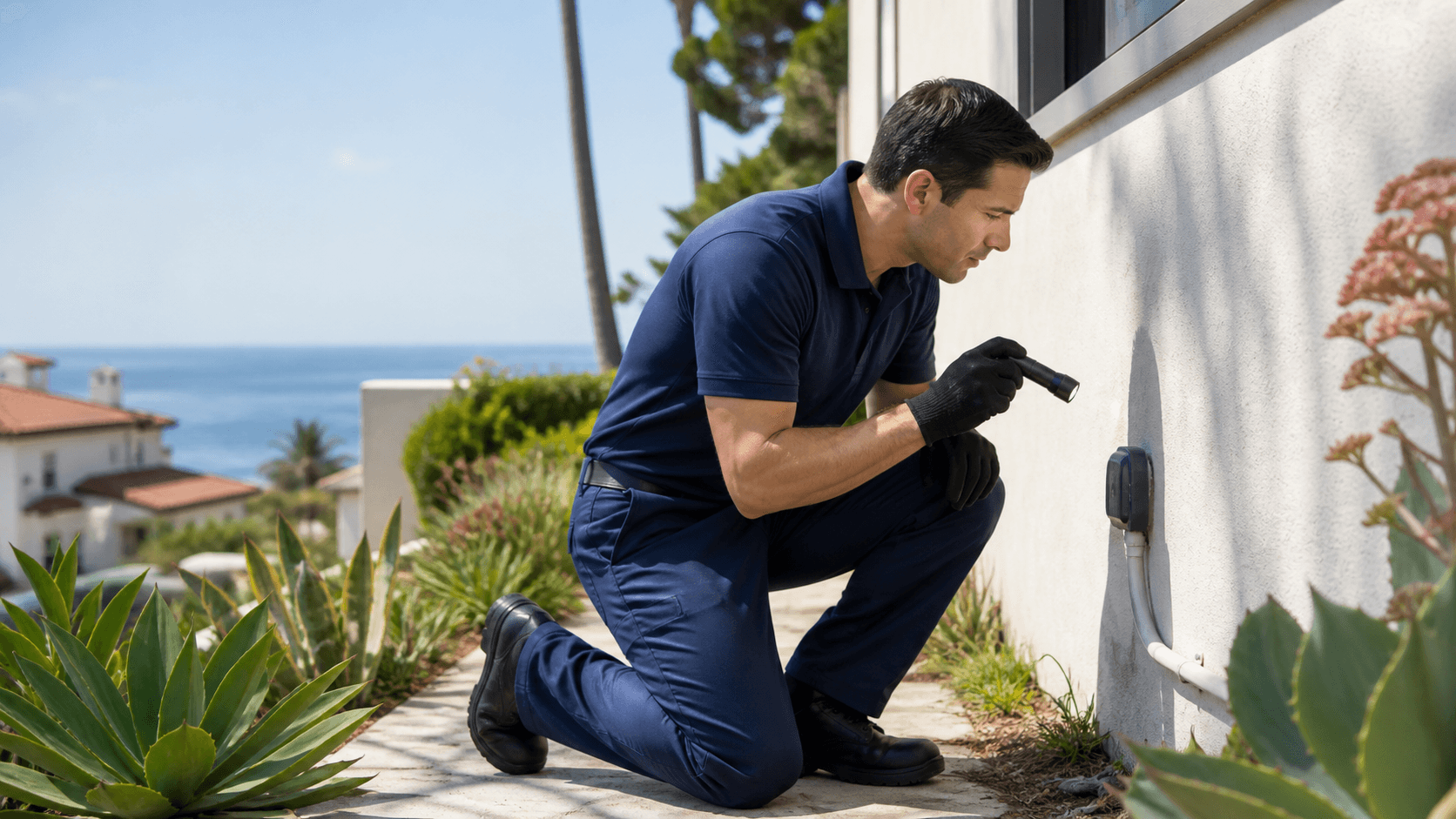
- Walk the full perimeter of your home with a flashlight
- Look for gaps larger than a dime around pipes, vents, and utility lines
- Check rooflines, eaves, and attic vents for cracks, missing screens, or broken covers
- Inspect garage doors for light shining in at the sides or bottom
Some practical prevention steps for coastal homes include:
- Installing snug, rodent-resistant vent covers on attic and crawl space openings
- Repairing torn window and door screens
- Adding weather stripping to garage doors and side doors
- Trimming palm fronds, ivy, and other plants away from roofs, eaves, and walls
To keep kids and pets safe while you protect your home, focus on everyday habits that reduce food and hiding spots. Store pet food in sealed containers rather than open bags, keep trash cans tightly closed and away from walls when possible, clean up crumbs and spills after outdoor meals and barbecues, and reduce clutter in garages, side yards, and under decks so rodents have fewer places to hide.
These steps do not replace professional work, but they can lower your risk and make control more effective if a problem does pop up.
Safe Rodent Control Options for Families and Pets
When you are already seeing signs of rodents, traps and other tools may be needed. In homes with children and animals, safety has to come first.
Common DIY tools include:
- Snap traps: Effective when placed correctly along walls and known travel paths, but must be kept far from kids and pets.
- Multi-catch traps: Can catch several mice in one device, often placed in garages or storage areas.
- Tamper-resistant bait stations: Designed so only rodents can reach the bait inside, but they must still be placed carefully and used exactly as directed.
Over-the-counter poisons around coastal properties can create problems. Pets may find and eat exposed bait, sick rodents can be caught by owls, hawks, or neighborhood cats (which can lead to secondary poisoning), and hidden poisoned rodents may die inside walls or attics and cause strong odors.
A professional, licensed company can take a more complete approach using integrated pest management, or IPM. This usually focuses on:
- Careful inspection of your home and property
- Sealing and blocking entry points where rodents are getting in
- Strategic trapping, placed where it is effective but out of the way of kids and pets
- Using targeted baits only when needed and in secure, professional-grade stations
When to Call a Local Rodent Control Professional
Sometimes DIY efforts are not enough. That is especially true in coastal communities where rodents have many safe places to nest and where homes are close together.
It is a good idea to bring in a pro if you notice:
- Ongoing scratching or gnawing sounds after you have tried basic steps
- Strong, persistent odors from walls, ceilings, or attics
- Frequent rodent sightings in daylight around patios, fences, or garages
- New droppings reappearing in kitchens, pantries, or laundry areas
Older coastal homes, multi-level townhomes, and houses with complex rooflines can have hidden risks. Rodents can chew:
- Electrical wiring that may increase fire risk
- HVAC insulation or duct areas that affect comfort and air quality
- Plumbing lines, storage, and structural wood
A professional inspection in Orange County can help you:
- Find hidden entry points along rooflines, vents, and under decks
- Understand which rodent species is active on your property
- Build a long-term plan that protects your home as we move from late summer into fall and beyond
Take Back Your Coastal Home From Rodents
Late summer is a perfect time to get ahead of rodent issues. A quick end-of-season checklist can make a big difference: look for fresh droppings or gnaw marks, seal any gaps you can see, tidy up outdoor living areas, and watch for new signs over the next few weeks.
When you pair smart prevention with professional support from a local team that knows Orange County's coastal neighborhoods, you get real peace of mind. At Recon Pest Control, we focus on kid- and pet-safe methods designed for our local home styles and coastal environment, so your home, garage, and outdoor spaces stay comfortable and rodent-free all year.
Protect Your Home With Fast, Effective Rodent Solutions
If you are seeing signs of mice or rats, our team at Recon Pest Control is ready to help you reclaim your space quickly and safely. Learn how our targeted approach to rodent control in Orange County can stop current infestations and help prevent them from returning. For personalized recommendations or to schedule service, simply contact us and we will walk you through your best options.