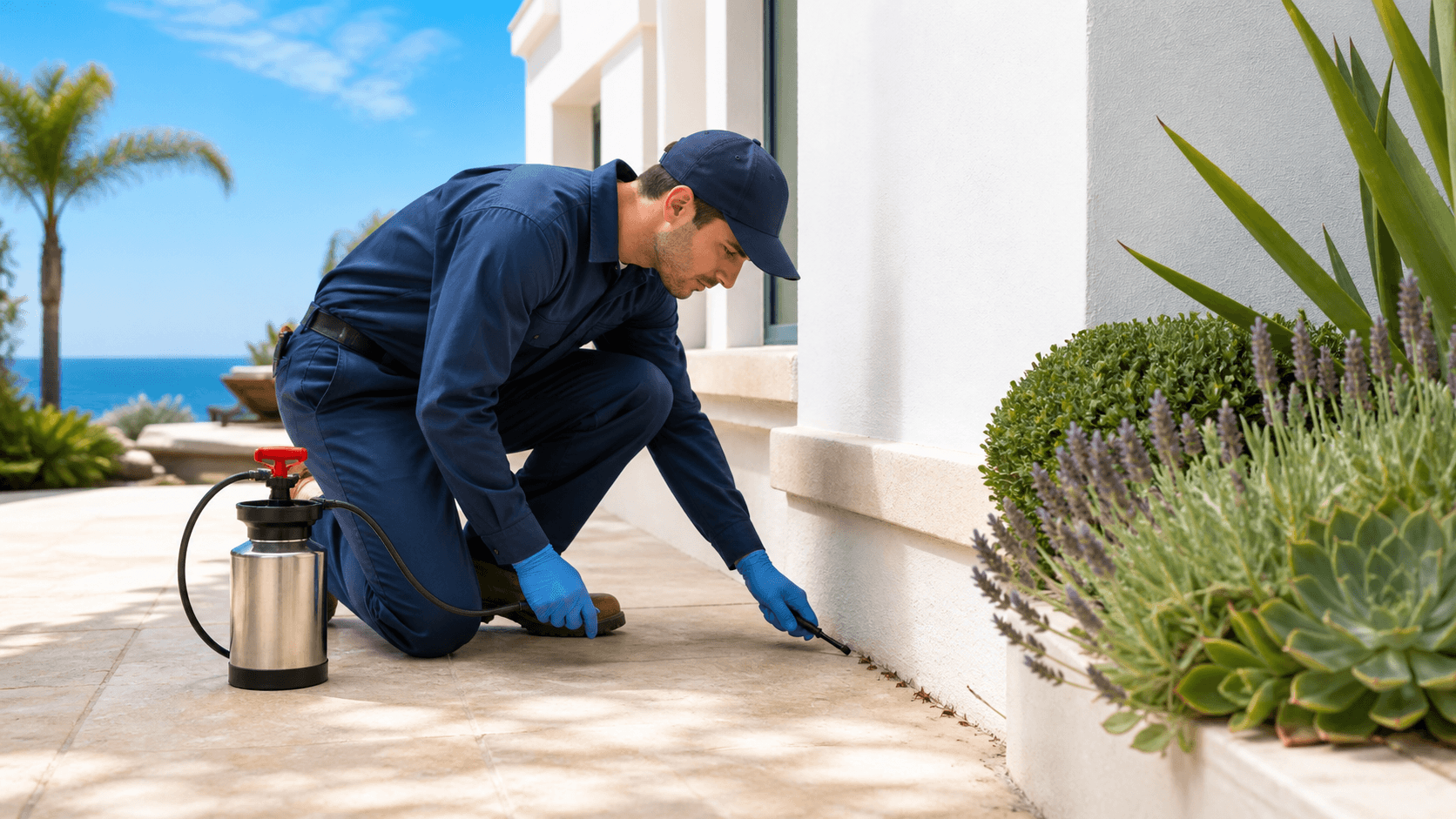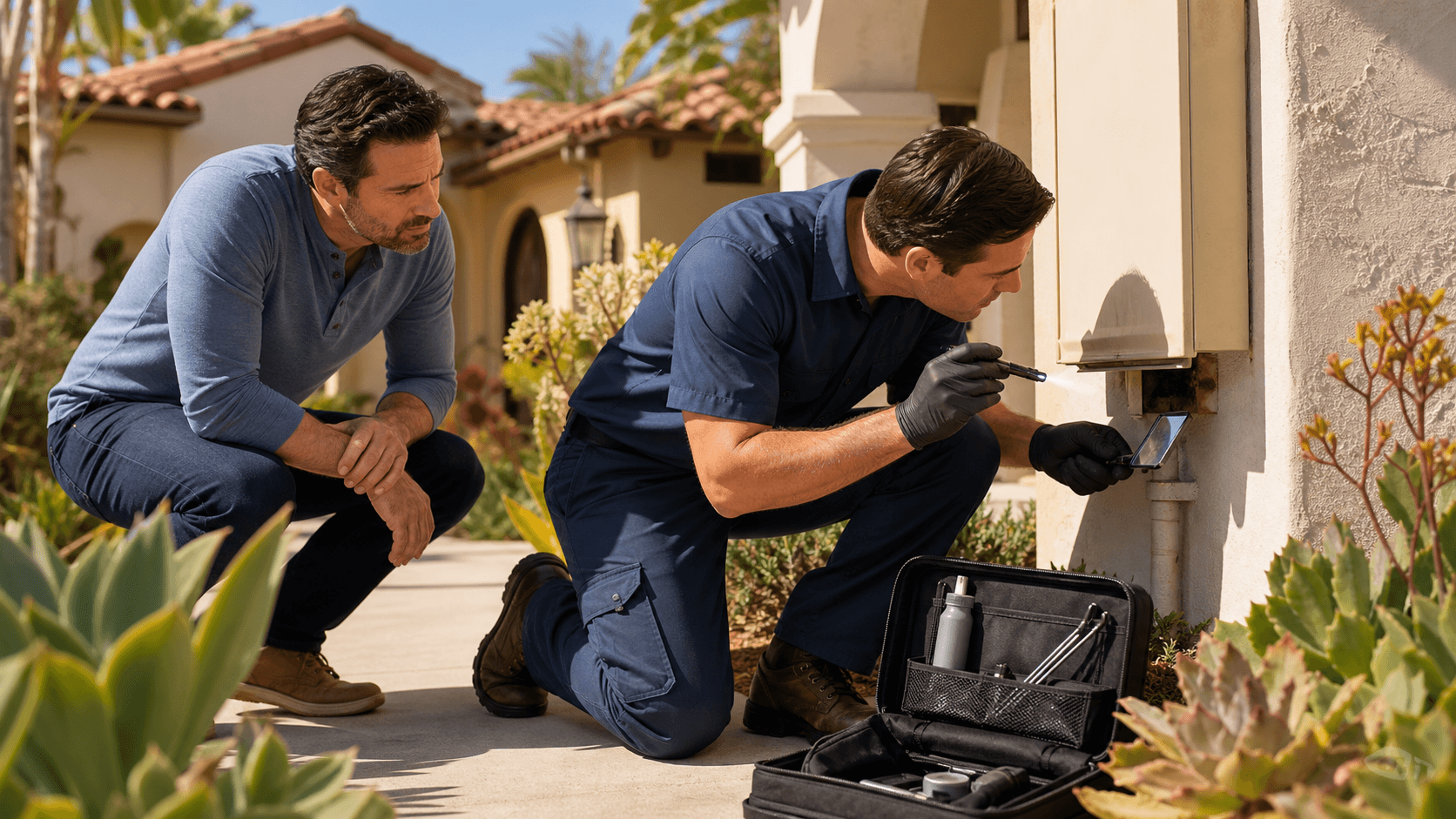
What Orange County Homeowners Miss During DIY Pest Inspections
Late summer in Orange County is busy for pests. Ants, spiders, termites, and stinging insects are all looking for easy ways into your home, especially as schedules shift with back-to-school and long weekends. Many homeowners in San Clemente take a quick walk around the house, do a fast glance in the kitchen, and feel pretty confident everything looks fine.
The problem is, a "quick look" almost always skips the exact spots pests love most. Small signs get ignored, covered up, or brushed away, and by the time things are obvious, the damage is already done. A missed issue during a DIY pest inspection in San Clemente can lead to wood damage, chewed wires, water problems, and health concerns from bites or contaminated food. We want to walk you through what people usually miss, how to look more like a pro, and when it is safer to bring in help.
Sneaky Structural Clues You Are Overlooking
The outside of your home holds some of the biggest warning signs, but many of them are tiny. Termites and other wood-destroyers do not always leave big, dramatic damage. They start small.
Here are common termite and wood issues people walk right past:
- Thin mud tubes along foundation walls, in the garage, under decks, or in crawl spaces that blend into dirt or concrete
- Pin-sized exit holes in trim or fascia boards that get blamed on age or nail holes
- Blistered or bubbling paint on baseboards or window sills, which can hide hollow wood
- Wood that sounds hollow or papery when you tap it with a screwdriver handle
- Little piles of what looks like sand or coffee-ground-like debris that are actually droppings or frass
Discarded termite wings are another big clue. They often show up in:
- Window tracks
- Light fixtures
- Cobwebs and spiderwebs in corners
Most people sweep them up as random debris and never think twice.
Pests also love small gaps along the roofline and exterior. They do not need a large hole to get inside. Common problem spots include:
- Gaps where utility lines enter your home
- Worn weatherstripping at doors and garage doors
- Deteriorating caulk around windows and trim
- Torn or missing window and door screens
- Warped or swollen door frames that no longer seal tight
Overhanging branches and clogged gutters add to the trouble. Branches touching the roof act like bridges for rodents and insects. Gutters full of leaves hold moisture against wood and attract pests that like damp areas.
All of this matters even more in San Clemente and the rest of coastal Orange County. The local climate lets pests stay active for long stretches of the year. Coastal moisture, salt air, and older construction styles can mean soft wood, weathered trim, and small cracks that turn into perfect entry points. A fast walk-around the house will not catch these details. You have to slow down and really look.
Indoor Hot Spots DIY Inspections Rarely Cover
Once pests get inside, they do not hang out in the middle of the living room. They go straight to the quiet, hidden, messy spots most homeowners never inspect closely.
The kitchen and pantry are top targets. Pests are drawn to:
- Crumbs behind the stove or fridge
- Sticky residue on cabinet shelves
- Open bags or boxes of pantry food that are not sealed tightly
- Under-sink cabinets with slow leaks or damp wood
Pantry moths, ants, and cockroaches all love easy access to food. They can feed and hide without being seen, especially in the backs of cabinets that you rarely open. Rodents can leave droppings and chewed packaging behind items that have not been moved in months.
Bathrooms, laundry rooms, and utility spaces are another blind spot. Warm, humid air around tubs, showers, washers, and dryers makes a great hiding place for pests that like moisture. Watch for:
- Gaps around plumbing pipes under sinks and behind toilets
- Cracked caulk around tubs and showers
- Small access panels that never get opened
- Dusty corners in water heater closets or furnace rooms with stored cardboard or fabric
These areas are often poorly lit, so pests can stay active without being disturbed.
There are also subtle indoor clues many people ignore:
- Musty, sour, or ammonia-like odors that can hint at rodent urine or heavy roach activity
- Tiny black or dark brown specks on walls, around outlets, or inside cabinets that might be droppings, not just dirt
- Pets staring at ceilings, pawing at baseboards, or tracking sounds in the walls
When you notice any of these signs, it usually means the problem is beyond "just one or two bugs."
Outdoor Zones Homeowners Rarely Check Thoroughly
Your yard can either help keep pests away or quietly pull them closer to your house. Most DIY inspections never go beyond a fast look at the lawn and patio.
In the yard and landscape, trouble spots often include:
- Overwatered lawns or areas where water collects in low spots
- Standing water in plant saucers, toys, buckets, or clogged drains that give mosquitoes a place to breed
- Thick ground cover, ivy, or wood mulch pushed up against the foundation
- Stacked firewood, extra lumber, and old planters sitting right next to the house
These spots create shade, moisture, and shelter. Ants, earwigs, roaches, termites, and rodents all take advantage.
Patios, fences, and outbuildings can also hide activity:
- Cracks in patios or loose pavers where ants nest between slabs
- Fence posts with soil touching bare wood and rotting at the base
- Dense shrubs or vines growing along fences and walls
- Sheds and outdoor storage filled with cardboard boxes, fabric, or clutter that make easy nests
Late summer is also a busy time for stinging insects and spiders around Orange County homes. Nests often appear:
- Under eaves and roof overhangs
- Inside play structures or under benches
- In dense shrubbery or unused corners of the yard
- In dark spots of garages, under patio furniture, and around utility boxes
A careful, slow walk-around of the whole property is key, especially before pests shift deeper inside as daylight changes and schedules move toward fall routines.
DIY Pest Inspection Like a Pro (Without Going Overboard)
You do not need special training to spot a lot of these signs, but you do need a plan. A more focused DIY check should be simple and safe.
A basic routine might look like this:
- Start outside, walk the full foundation and fence line, then check the roofline from the ground
- Move to the garage and entry doors
- Check living spaces, with extra time in the kitchen and bathrooms
- Only enter attics or crawl spaces if they are safely accessible and you feel comfortable
Helpful tools include:
- A strong flashlight
- Gloves
- A small mirror on a stick for tight spots
- A dust mask if you are in dusty areas
- Your phone for photos and notes
Common DIY mistakes include:
- Spraying store-bought products at every bug you see, without finding where they came from
- Sealing holes or painting over damaged areas before figuring out what caused the damage
- Ignoring "just a few ants" that show up week after week in the same place
At some point, it is safer and smarter to bring in a licensed pest professional. That is especially true if you see signs of termites, rodents, stinging insects, black widows, or any pest hiding in hard-to-reach structural areas. A professional pest inspection in San Clemente can look deeper into attics, crawl spaces, and rooflines and use kid- and pet-safe treatment options that go beyond what most homeowners can handle on their own.
Protect Your Home Year-Round with Smart Habits
The late-summer window is a great time to develop a habit you keep every year. Think of it like a back-to-school checkup for your home. A simple yearly routine can help you catch pests before they settle in deeper around your property.
You can create a short checklist that covers:
- Structural gaps and worn seals around doors and windows
- Moisture sources indoors and outdoors
- Yard and landscape conditions near the house
- Kitchen, bathroom, and under-sink areas
Write down any recurring trouble spots and keep notes or photos. Over time, you will spot patterns, like the same area where ants return or the same corner of the yard that always stays damp.
DIY vigilance is helpful, but it works best when it is paired with professional support. Local pest pros understand Orange County's specific pest pressures and how the coastal climate affects activity over the year. Regular inspections from a company that knows San Clemente homes, combined with kid- and pet-safe treatments, give your home a much better chance of staying comfortable and protected, without constant surprises from uninvited guests.
Protect Your Home With a Trusted Local Pest Inspection
If you have noticed signs of pests or simply want peace of mind, our team at Recon Pest Control is ready to help with a thorough pest inspection in San Clemente. We carefully inspect every key area of your property so you understand exactly what is happening and what to do next. Reach out today to schedule an inspection and get clear, straightforward recommendations for protecting your home. If you prefer to speak with us directly, you can contact us to get started.