Scratching in Your Walls Is a Warning Sign You Cannot Ignore
Scratching in your walls is not just an odd house noise. It is usually a clear sign that something is living where it should not be, and it will not fix itself. When you hear those late-night sounds in your Orange County home, it is your home telling you there is a problem.
If you shrug it off, that small noise can turn into chewed wires, damaged insulation, and bad smells that are hard to remove. Pests can also bring droppings, germs, and bites, which are not great for kids, pets, or anyone with allergies. We want to help you understand what those sounds mean, what you can safely check on your own, and when it is time to bring in professional pest control for scratching in walls.
What Scratching in Walls Really Means in Orange County
In our area, scratching in walls almost always points to a pest that has moved in and started nesting. Some of the most common culprits in Orange County homes include:
- Roof rats and mice hiding in attics and wall voids
- Squirrels getting in from trees and roof gaps
- Raccoons using open vents or loose roof tiles
- Insects like carpenter ants or termites inside wood or near windows
Our warm, sunny climate makes Orange County a year-round hotspot for pest activity. Homes near canyons, golf courses, greenbelts, and the coast, like in San Clemente, Dana Point, Mission Viejo, and Irvine, are especially attractive. Pests look for quiet, shaded spots with food, water, and shelter, and wall spaces and attics fit that perfectly.
As summer starts to wind down and days begin to shorten, rodents and wildlife often step up their search for steady shelter. That is when many homeowners notice scratching in the evening, or early morning thumping overhead. Even though our weather stays fairly mild, this shift in daylight and routine can trigger more pest movement into homes.
How to Decode the Type of Pest From the Sounds You Hear
You can learn a lot just by listening closely. Different pests make different noises.
Rodents, like rats and mice, usually sound like:
- Light, quick scurrying or pattering
- Repeated scratching in one area
- Soft chewing or gnawing, often at night when the house is quiet
Larger wildlife, such as raccoons or squirrels, tends to sound heavier:
- Thumps or bumps, like something dropping or jumping
- Slow dragging or shuffling sounds
- Activity often around dawn or dusk
Insects usually make much softer noises:
- Faint rustling, crackling, or tapping inside walls
- Light clicking in wood, trim, or near windows and baseboards
- Persistent, gentle sound instead of loud bursts of movement
Location and timing also give clues. Noises in ceilings and attics may point to roof rats, squirrels, or raccoons. Scratching low in the walls, especially near the kitchen or garage, often points to mice. Activity mostly at night is common with rodents, while daytime sounds can lean more toward squirrels or some insect pests.
These hints are helpful, but they are not a sure answer. Different pests can overlap in sound, and more than one type of pest can be active at the same time. A professional inspection is still the best way to confirm what is going on and uncover any hidden damage.
DIY Checks and Safe First Steps Before Calling a Pro
Before anyone comes out, you can do some simple checks that are safe for families with kids and pets. The goal is to gather clues, not to handle pests yourself.
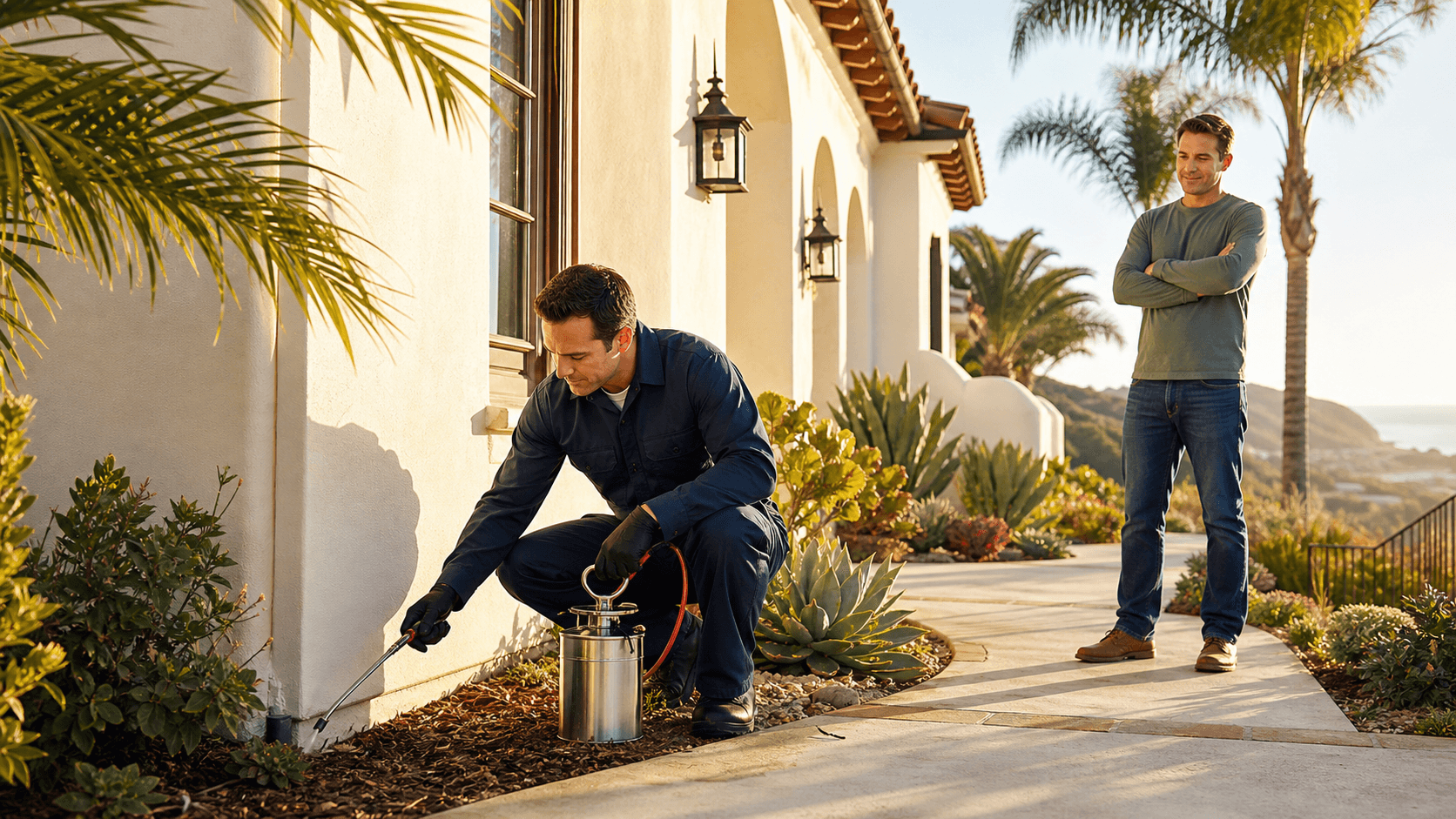
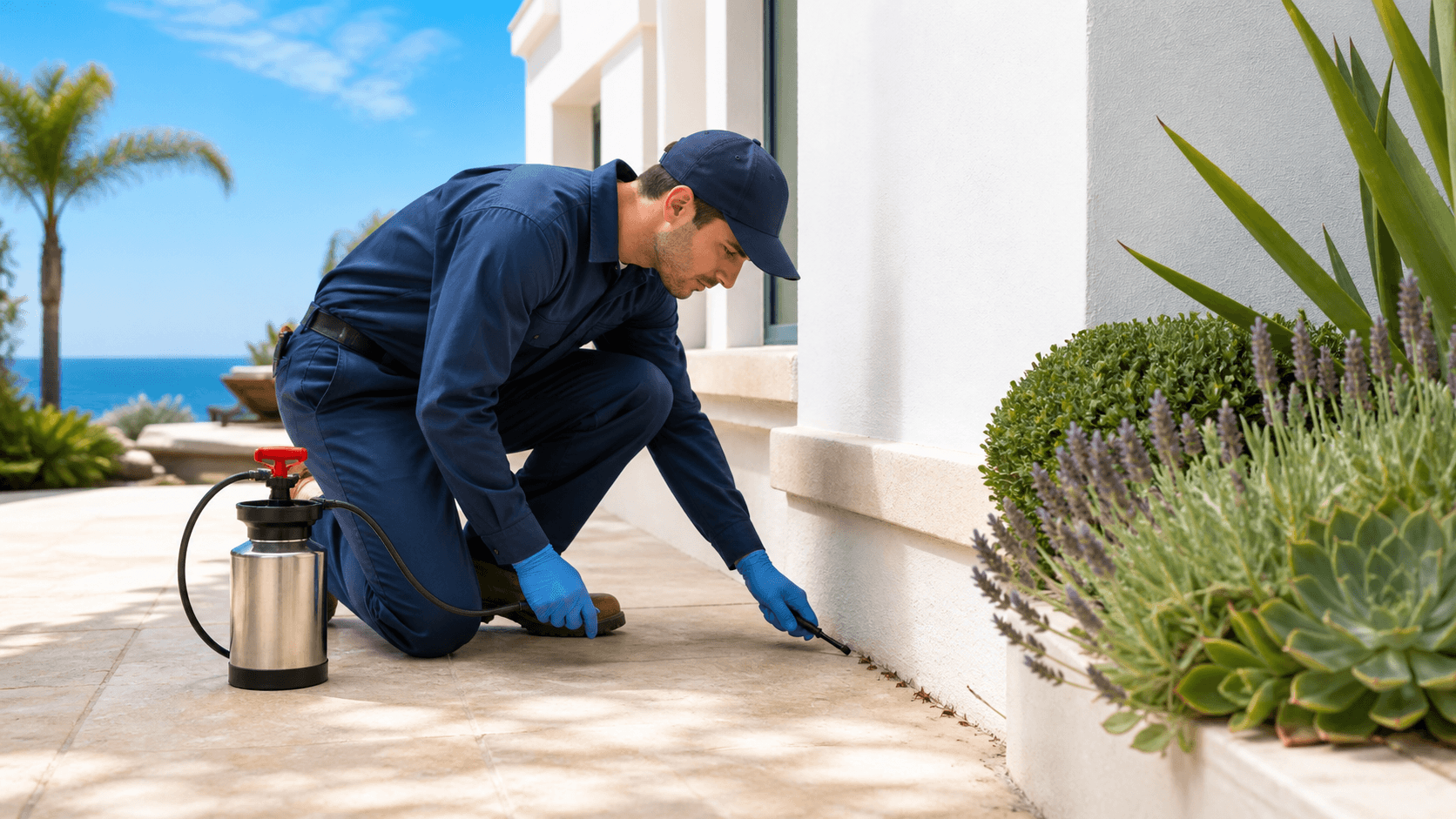
Outside your home, take a slow walk around and look for:
- Gaps around rooflines, eaves, vents, and where utility lines enter
- Torn or loose screens, bent vent covers, or damaged soffits
- Rub marks, droppings, or gnaw marks near where you hear scratching in walls
- Cracks along the foundation that could let small pests squeeze in
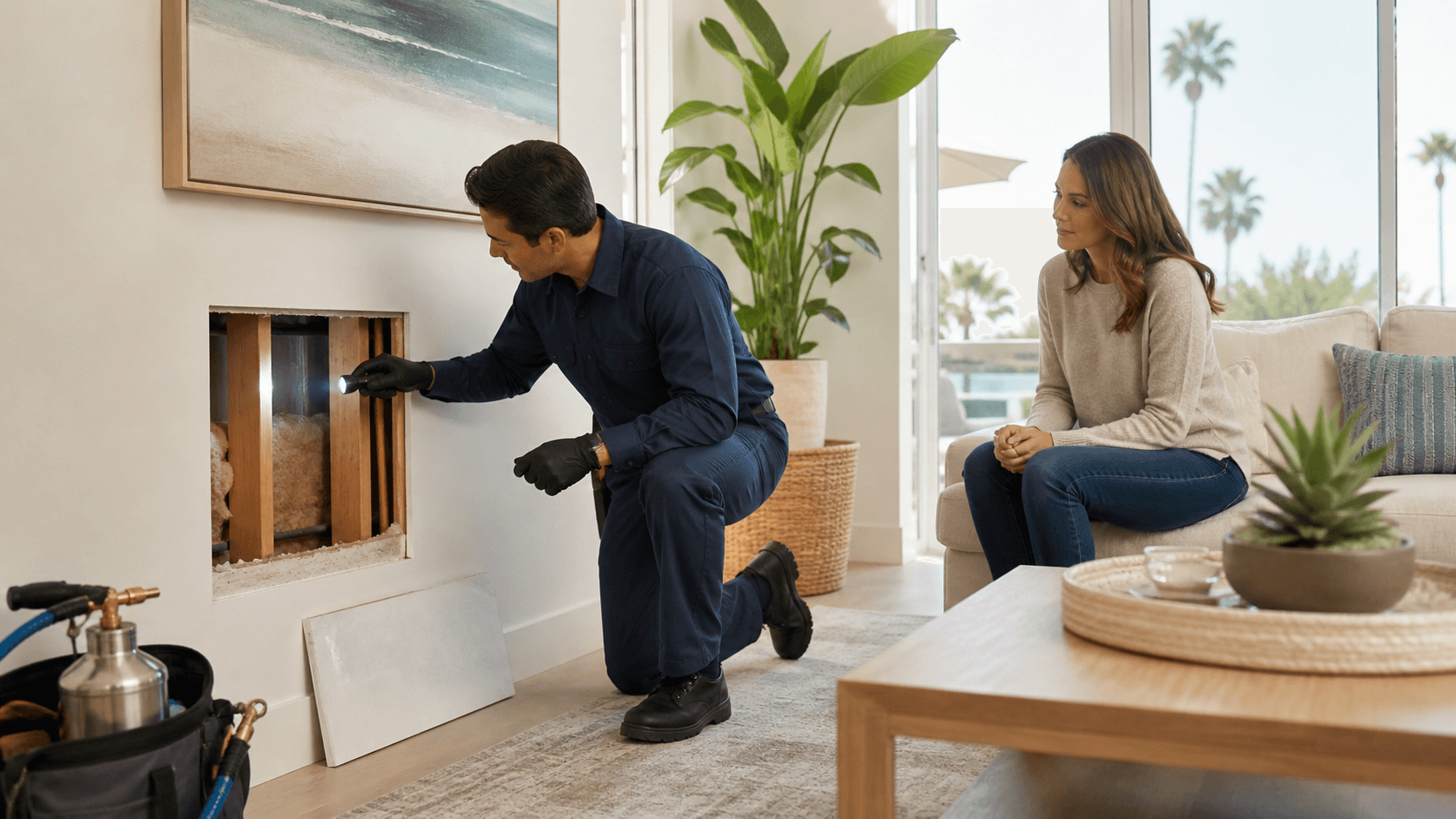
Inside, grab a flashlight and carefully look in:
- Attics for droppings, tracks in the insulation, or shredded nesting material
- Garages and storage areas for chewed boxes, wires, or stored items
- Under sinks and behind appliances for droppings, grease marks, or food spills
It also helps to keep a simple log:
- What time you hear the sounds
- Where in the house you hear them
- Whether the noise is scratching, thumping, or soft rustling
For safe first steps, you can:
- Seal very small gaps with steel wool and caulk
- Tighten door sweeps and close any obvious cracks or holes
- Store human and pet food in sealed containers
- Clean up crumbs and do not leave pet food sitting out overnight
We do not recommend using poison baits on your own, especially indoors. They can put kids and pets at risk, and poisoned animals can die inside walls or attics, which leads to strong odors and flies.
When DIY Is Not Enough and You Need Professional Help
Some signs mean it is time to bring in a licensed pest control company instead of trying to handle it alone. You should not wait if:
- The noises happen daily or nightly and last more than a few days
- You notice strong odors, like urine, musty smells, or something dead
- There are clear droppings, nesting piles, or greasy rub marks
- You see chewed wiring, damaged HVAC ducts, or torn-up insulation
At that point, the problem has likely moved past a quick fix. A professional team will check attics, crawl spaces, rooflines, and entry points and use local knowledge of Orange County pests to track where rodents or wildlife are coming from and where they are traveling.
At Recon Pest Control, we are locally owned in San Clemente, licensed and insured, and we focus on kid- and pet-safe solutions. For wildlife, that can include humane trapping and exclusion so animals are removed carefully and kept out for good. For rodents and insects, the plan will include both treating the active issue and blocking future entry points to prevent new scratching in your walls later.
Long-Term Ways to Keep Scratching Out of Your Walls
Once things are quiet again, prevention is the key to keeping it that way. A few changes around your home can make a big difference over time.
On the structural and landscape side, it helps to:
- Keep screens on vents in good shape and add secure covers where needed
- Install or maintain chimney caps and attic vent screens
- Trim tree branches back from the roof
- Remove thick vines or plants that give pests an easy path to your home
- Fix water leaks and improve drainage to reduce moisture that draws pests
Daily habits matter too:
- Use outdoor trash cans with tight lids
- Clean grill areas and pick up any dropped food
- Remove fallen fruit from trees so it does not rot on the ground
- Store items in garages on shelves instead of piled on the floor
- Do simple seasonal checks before late summer and early fall when activity often picks up
When you combine smart DIY prevention with regular professional inspections, you greatly reduce the chance of surprise scratching in your walls. It helps protect your property, your health, and the calm feeling you want at home.
Scratching in the walls is not just an old house quirk; it is a warning. With some careful listening, a bit of checking, and support from a trusted local pest control company, you can stop the noise and keep your Orange County home quiet, clean, and comfortable.
Stop Scratching Sounds With Reliable Pest Solutions
If you are hearing unsettling noises behind your walls, our team at Recon Pest Control is ready to find the source and fix it quickly. We offer targeted pest control for scratching in walls so you can protect your home and restore peace of mind. Reach out today through our contact page to schedule an inspection and get a custom treatment plan.